
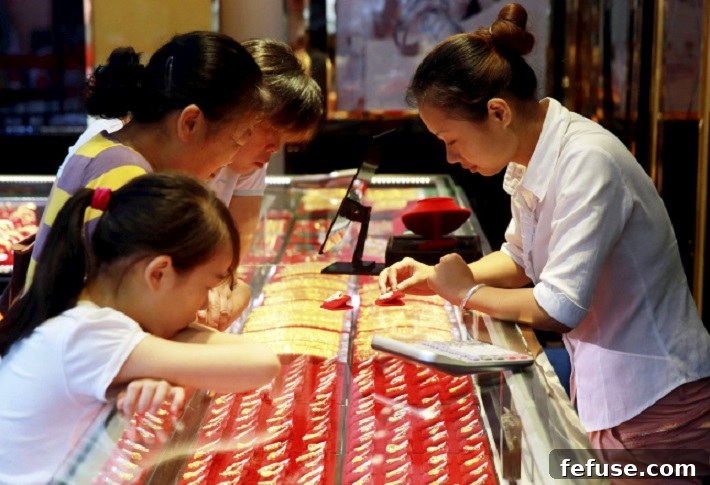
The luxury jewelry sector in China has begun to exhibit what industry leaders describe as “encouraging signs” in the challenging period following the global COVID-19 pandemic. This optimistic assessment comes from global diamond giant De Beers, offering a valuable insight into the resilience and evolving dynamics of one of the world’s most pivotal luxury markets.
China’s Jewelry Market Shows Resilient Recovery Post-Pandemic: Insights from De Beers
In a landscape profoundly reshaped by unprecedented global events, the Chinese consumer market has consistently demonstrated its capacity for recovery and adaptation. For the intricate and highly personal world of jewelry, this resilience is particularly noteworthy. While the initial economic shock of the pandemic brought widespread closures and a halt to non-essential spending, recent observations from key players like De Beers indicate a tangible shift towards normalcy, albeit with new parameters defining success.
De Beers’ Optimistic Outlook on China’s Jewelry Market Post-Pandemic
Paul Rowley, Executive Vice President of Diamond Trading at De Beers, recently articulated the cautious yet hopeful perspective of the industry during a virtual media briefing. He highlighted that a significant majority of retail outlets specializing in jewelry across China have successfully reopened their doors. This physical reopening is a crucial first step, signifying a return to operational capacity and offering consumers the opportunity to engage with products in person – an experience often vital for high-value purchases like jewelry.
“In China, most stores are now open again with consumers returning and encouraging signs are beginning to show,” Rowley stated, painting a picture of renewed activity. However, he also tempered this optimism with a clear acknowledgement of the prevailing economic realities: “But the consumers are encouraging signs are still below former levels.” This indicates that while foot traffic and initial transactions are on an upward trend, the volume and value of sales have not yet fully matched the robust pre-pandemic figures. This nuanced view underscores the complexity of market recovery, where sentiment and cautious spending habits still play a significant role in shaping the trajectory of the luxury sector.
The Initial Signs of Recovery: More Than Just Open Doors
The “encouraging signs” referenced by De Beers extend beyond mere store reopenings. They encompass a broader spectrum of indicators reflecting renewed consumer confidence and engagement. Anecdotal evidence from jewelers suggests an increase in footfall, albeit initially slower, gradually translating into actual purchases. Consumers, having navigated periods of uncertainty and lockdown, are seemingly rediscovering the pleasure of discretionary spending, with jewelry often serving as a symbol of celebration, enduring value, and personal expression. This nascent recovery is particularly vital for luxury goods, where the buying process often involves tactile interaction and expert consultation, making the physical retail environment indispensable. The ability for consumers to once again browse, try on, and appreciate the craftsmanship of jewelry pieces is a foundational element in rebuilding sales momentum.
Drivers Behind the Rebound: Understanding the Chinese Consumer
Several factors are contributing to the observed rebound in China’s jewelry market. Understanding these drivers is key to appreciating the unique dynamics at play and predicting future trends.
Pent-Up Demand and “Revenge Spending”
Following periods of stringent lockdowns and restricted social interaction, many Chinese consumers accumulated savings and developed a strong desire for self-reward. This phenomenon, often termed “revenge spending” or “pent-up demand,” describes the surge in consumer expenditure on luxury goods and experiences once restrictions ease. For luxury items like jewelry, which often represent milestones, celebrations, or investments, this pent-up desire can translate into significant purchasing activity. Consumers may be compensating for missed special occasions, seeking to mark personal resilience, or simply indulging in long-deferred aspirations for beauty and adornment.
Shifting Consumption Patterns to Domestic Markets
With international travel largely curtailed for an extended period, Chinese consumers who traditionally spent lavishly on luxury goods abroad were compelled to redirect their purchasing power towards domestic channels. This redirection has provided a substantial boost to the local luxury market, including jewelry. High-end shopping malls and flagship stores in major Chinese cities have become the primary destinations for luxury acquisitions, fueling growth that might otherwise have benefited overseas retailers. This shift has also encouraged brands to enhance their domestic retail presence, customer service, and localized marketing efforts, creating a more robust and self-sufficient luxury ecosystem within China.
Cultural Significance and Enduring Value
Jewelry holds a profound cultural significance in China, often symbolizing status, tradition, and enduring love. Diamonds, in particular, have become an integral part of modern Chinese courtship and marriage rituals, cementing their place as key aspirational purchases. Beyond engagements and weddings, jewelry is frequently bought for significant gifts, self-adornment, or as a form of tangible investment. This deep-rooted cultural value provides a strong underlying current for market stability and growth, ensuring that even during challenging times, the desire for meaningful jewelry persists. The perceived permanence and emotional resonance of fine jewelry make it a resilient category.
Navigating Challenges and Evolving Consumer Behavior
Despite the encouraging signs, the Chinese jewelry market is not without its complexities. Retailers and brands must navigate evolving consumer behaviors, technological shifts, and persistent economic uncertainties.
The Digital Transformation of Luxury Retail
The pandemic significantly accelerated the digital transformation across all retail sectors, and luxury jewelry was no exception. While the in-store experience remains crucial, Chinese consumers, particularly younger demographics, are increasingly comfortable with and expect a seamless omni-channel retail journey. This includes extensive online research, engagement through social media platforms (like WeChat and Douyin), virtual try-ons, live streaming commerce, and personalized digital interactions before or during an in-store visit. Jewelry brands are investing heavily in e-commerce platforms, digital marketing, and leveraging data analytics to understand and engage with their digitally savvy clientele. The challenge lies in translating the tactile, emotional experience of luxury jewelry into a compelling digital format.
The Rise of Conscious Consumerism
A growing segment of Chinese consumers, especially millennials and Gen Z, are becoming more attuned to issues of sustainability, ethical sourcing, and corporate social responsibility. Brands that can transparently demonstrate their commitment to these values—from responsibly sourced diamonds and metals to fair labor practices—are gaining a significant competitive edge. De Beers, for example, with its focus on traceability and community investment, is well-positioned to appeal to this emerging cohort of conscious consumers. The narrative around a piece of jewelry is no longer solely about its aesthetic or monetary value, but also about its origin story and ethical footprint.
Strategic Adaptations by Leading Brands
In response to these shifting dynamics, leading jewelry brands are implementing innovative strategies to capture market share and foster long-term loyalty in China.
Embracing Omni-Channel Retail
The future of luxury jewelry retail in China is undoubtedly omni-channel. Brands are no longer viewing online and offline as separate entities but as integrated components of a cohesive customer experience. This involves investing in state-of-the-art flagship stores that offer immersive brand experiences, while simultaneously enhancing e-commerce platforms with advanced visualization tools and personalized customer service. The goal is to provide a fluid journey where consumers can discover products online, engage with brand content, book in-store appointments, and even finalize purchases digitally, with physical stores serving as critical touchpoints for deeper engagement and relationship building.
Localized Marketing and Product Innovation
To resonate with the diverse tastes of Chinese consumers, brands are increasingly adopting localized marketing strategies. This includes collaborating with popular local influencers (KOLs and KOCs), tailoring marketing messages to cultural nuances, and designing collections that incorporate elements appealing to Chinese aesthetics or traditions. Product innovation is also key, with a focus on customizable options, versatile pieces suitable for various occasions, and designs that reflect contemporary trends while honoring timeless elegance. Understanding regional preferences within China and adapting offerings accordingly is becoming crucial for market penetration.
The Enduring Allure of Diamonds in China
At the heart of De Beers’ observations lies the enduring appeal of diamonds. The company has played a significant role in cultivating the diamond market in China over the past few decades, successfully associating diamonds with love, commitment, and lasting value. Despite economic fluctuations and evolving consumer preferences, the diamond engagement ring remains a powerful symbol. Moreover, self-purchase of diamond jewelry is an increasing trend, particularly among independent professional women who view these pieces as celebrations of personal achievement and expressions of individuality. De Beers’ ongoing marketing efforts, focusing on the emotional resonance and intrinsic value of natural diamonds, continue to reinforce their desirability in this crucial market.
Future Trajectory: Sustained Growth and Innovation
The long-term outlook for China’s jewelry market remains robust. With a rapidly expanding middle class, increasing disposable incomes, and a strong cultural affinity for precious items, the potential for sustained growth is substantial. However, success will hinge on brands’ ability to remain agile, innovative, and deeply attuned to the evolving needs and values of Chinese consumers. Investing in digital capabilities, prioritizing sustainability, fostering genuine emotional connections, and delivering exceptional, personalized experiences will be paramount. The “encouraging signs” noted by De Beers are not merely a reflection of a return to pre-pandemic norms but rather a testament to a market that is actively transforming and setting new benchmarks for luxury retail globally.
In conclusion, while sales figures may still be striving to reach their former peaks, the visible return of consumers to jewelry stores and the overall positive market sentiment confirm that China’s luxury jewelry sector is firmly on the path to recovery. The strategic adaptations undertaken by industry leaders like De Beers, coupled with the inherent resilience and evolving sophistication of the Chinese consumer, underscore a promising, albeit dynamically changing, future for fine jewelry in the region.