
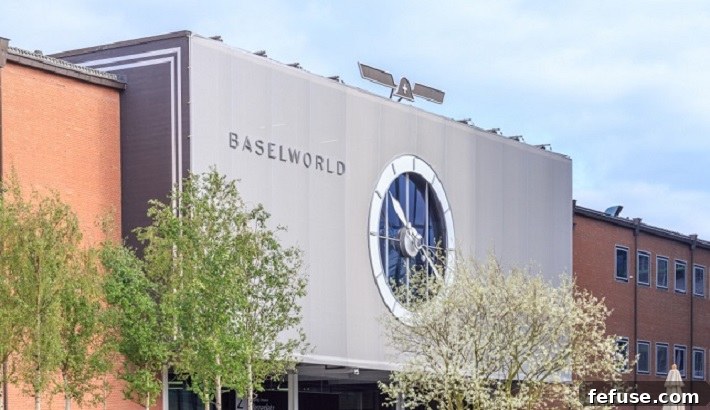
The Dawn of a New Era: SIHH and Baselworld Unite for the Future of Watchmaking
In a significant move poised to redefine the landscape of the luxury watch industry, two of its most pivotal annual trade shows – the Salon International de la Haute Horlogerie (SIHH), now known as Watches and Wonders Geneva, and Baselworld – have announced a landmark agreement to coordinate their dates. This strategic alignment, scheduled to run from 2020 to 2024, will see both prestigious events take place consecutively, a crucial shift from their previously disparate schedules. This decision comes at a critical juncture for both exhibitions, which have faced increasing challenges in recent years, including the notable departure of several key exhibitors and evolving industry dynamics. The coordination signals a robust commitment from the industry’s leading players to foster unity, efficiency, and a streamlined experience for all participants.
The practical implementation of this agreement begins in 2020, with Watches and Wonders Geneva (formerly SIHH) slated to run from April 26 to April 29 in the picturesque city of Geneva. Immediately following, Baselworld will open its doors from April 30 to May 5 in Basel. This back-to-back scheduling starkly contrasts with the 2019 calendar, where SIHH was held in January (January 14-17) and Baselworld in March (March 21-26), creating a gap of several months between the two major events. This prior fragmentation presented considerable logistical and financial burdens for attendees and exhibitors alike, prompting the industry to seek a more harmonized approach. The new coordinated schedule is a direct response to these concerns, promising a more efficient and impactful trade show season.
The Imperative for Change: Navigating a Fragmented Landscape
For years, the global watch industry has grappled with the complexities of its two flagship trade shows operating on separate timelines. This fragmentation led to significant inefficiencies and mounting pressures on all stakeholders. Exhibiting brands, industry professionals, discerning buyers, international journalists, and essential service providers were often required to make two distinct trips to Switzerland within a short period. This doubled travel costs, increased time away from core business operations, and fragmented the industry’s collective attention, ultimately diminishing the overall impact and convenience of these crucial gatherings. The disjointed schedule was increasingly seen as an outdated model in a fast-paced, interconnected world.
The Challenges Facing Traditional Watch Exhibitions
Both SIHH and Baselworld, despite their historical significance and global reach, have not been immune to the evolving dynamics of the luxury market and the broader economic landscape. In recent years, traditional trade show models have faced intense scrutiny. High participation costs, coupled with a perceived decline in return on investment, led several prominent brands to reconsider their presence. Baselworld, in particular, experienced a significant exodus of exhibitors, including the Swatch Group’s formidable stable of brands, which opted for alternative showcasing strategies. This trend underscored the urgent need for a fundamental re-evaluation of the trade show experience, pushing organizers to innovate and adapt to remain relevant in a rapidly changing environment.
The challenges were multi-faceted: adapting to the rise of digital marketing and e-commerce, meeting the expectations of a new generation of consumers and buyers, and addressing the sustainability concerns associated with large-scale international events. The decision to coordinate dates is more than just a logistical adjustment; it represents a deeper acknowledgment by the industry’s leaders that a unified, streamlined approach is essential for the long-term vitality and collective success of these crucial platforms. By working together, SIHH and Baselworld aim to consolidate resources, amplify their collective voice, and offer a more compelling proposition to the global watch community.
Baselworld: A Colossus in Transition
Baselworld has long stood as a monumental pillar in the watch and jewelry industry, boasting a rich history that dates back over a century. Known for its sheer scale and comprehensive scope, it traditionally brought together an unparalleled array of brands, from independent artisans to global conglomerates, showcasing not only watches but also fine jewelry, precious stones, and related industries. Its vast exhibition halls in Basel were once a bustling epicenter where hundreds of thousands of visitors converged to witness the latest innovations, establish crucial business connections, and gauge the pulse of the market. It was an event of immense prestige, setting trends and driving sales across the globe.
Navigating Through Turbulent Waters
Despite its venerable legacy, Baselworld has faced significant headwinds. The high cost of exhibiting, perceived rigidity in its operational model, and a sometimes slow response to contemporary demands led to growing discontent among participants. The most impactful blow came with the departure of major brands, signaling a crisis of confidence and prompting a period of intense introspection and reform. Organizers embarked on ambitious plans to modernize the show, reduce costs for exhibitors, enhance the visitor experience, and cultivate a more forward-thinking image. The goal was to transform Baselworld from merely a trade fair into a vibrant platform for brand storytelling, innovation, and community engagement. The decision to coordinate dates with SIHH is a vital component of this broader transformation, demonstrating a willingness to collaborate for the greater good of the industry rather than compete.
Watches and Wonders Geneva (Formerly SIHH): The Epitome of Haute Horlogerie
On the other side of Switzerland, the Salon International de la Haute Horlogerie (SIHH), now rebranded as Watches and Wonders Geneva, has carved out its niche as the premier showcase for haute horlogerie – the pinnacle of high watchmaking. From its inception, SIHH distinguished itself through its exclusive, invite-only nature, catering to a select group of retailers, press, and VIP clients. It became synonymous with elegance, sophistication, and an unwavering focus on mechanical mastery and artistic craftsmanship. The show brought together leading houses from the Richemont Group and a curated selection of independent manufactures, all dedicated to the preservation and advancement of traditional watchmaking techniques coupled with avant-garde design.
Evolution and Adaptation in the Luxury Sector
While maintaining its core identity of exclusivity and luxury, SIHH has also demonstrated a remarkable capacity for evolution. The rebranding to Watches and Wonders Geneva, accompanied by initiatives to gradually open certain aspects of the show to the public, reflects a strategic effort to broaden its appeal and engage directly with watch enthusiasts. This expansion beyond its traditional, highly exclusive format signals a recognition that even the most rarefied segments of the industry need to connect with a wider audience to cultivate future generations of collectors and appreciators. The move to coordinate dates with Baselworld further underscores this adaptability, illustrating a pragmatic approach to industry-wide challenges while preserving its unique identity as a bastion of luxury watchmaking.
The Landmark Agreement: Synchronizing the Watch World
The agreement between Watches and Wonders Geneva (SIHH) and Baselworld to synchronize their calendars marks a pivotal moment for the global watch and jewelry industry. This collaboration, spanning from 2020 through 2024, is designed to create a more efficient and impactful trade show experience for everyone involved. As confirmed by IDEX Online, the coordinated schedule places the two major events back-to-back in Switzerland. For instance, in 2020, Watches and Wonders Geneva took place from April 26 to April 29 in Geneva, immediately followed by Baselworld from April 30 to May 5. This compact arrangement is a direct and strategic response to the logistical challenges and financial strains imposed by the previously fragmented schedule.
Unlocking Synergies: Benefits for All Stakeholders
The primary beneficiaries of this synchronized schedule are undoubtedly the myriad stakeholders who traverse continents to participate in these events. As highlighted in the original report, holding the shows consecutively “will make travel arrangements easier while reducing travel away from the business for representatives of watch companies and firms servicing them, as well as for journalists and buyers who won’t have to travel to Switzerland twice in the space of a few months.” This benefit extends beyond mere convenience; it translates into tangible savings in travel expenses, accommodation costs, and, crucially, time. For brand executives, retailers, and media professionals, time is a precious commodity, and minimizing their absence from their core operations is a significant advantage.
Furthermore, the back-to-back format fosters a more concentrated and vibrant industry presence. Instead of spreading the energy and attention across several months, the industry’s collective focus will be channeled into a single, intensive period. This concentration can lead to enhanced networking opportunities, more comprehensive media coverage, and a more dynamic atmosphere for business dealings. Service providers, from stand builders to logistics companies, will also benefit from a more predictable and efficient operational schedule. This strategic coordination ultimately strengthens Switzerland’s position as the undisputed heartland of haute horlogerie and global watch exhibitions, demonstrating a unified front in a competitive and evolving global market.
The Broader Impact: Reshaping the Future of Watch Exhibitions
The decision to coordinate dates between Watches and Wonders Geneva and Baselworld is more than just a logistical fix; it’s a profound statement about the future direction of the luxury watch industry’s major trade events. In an era where digital platforms and brand-specific boutique events are increasingly challenging traditional exhibition models, this collaboration breathes new life into the concept of a grand, collective gathering. It signals a move towards a more cohesive, efficient, and user-friendly experience, acknowledging that the industry’s strength lies in its ability to adapt and collaborate rather than in isolated competition.
A Unified Front in a Digital Age
In an increasingly digital world, the importance of physical events remains undeniable, especially for an industry built on craftsmanship, tactile experience, and personal relationships. However, these events must evolve to stay relevant. The coordinated schedule allows both shows to leverage each other’s strengths, creating a more compelling and holistic offering. It also positions them more effectively against the backdrop of direct-to-consumer strategies and online launches. By streamlining the physical presence, the industry can dedicate more resources and creativity to enhancing the experience, whether through immersive brand presentations, insightful panel discussions, or interactive technological showcases. This unified approach projects an image of stability and innovation, crucial for attracting and retaining global interest in luxury watches.
Beyond Dates: The Evolution of the Trade Show Experience
Looking ahead, this initial step of date coordination could pave the way for deeper collaboration and a reimagining of the trade show experience. Imagine shared resources, joint marketing initiatives, or even synergistic programming that bridges the gap between the haute horlogerie focus of Watches and Wonders and the broader market appeal of Baselworld. Future iterations might see even greater integration, offering attendees a seamless journey through different facets of the watch and jewelry world. The emphasis could shift further from mere product display to storytelling, education, and immersive brand experiences, making the journey to Switzerland an indispensable pilgrimage for anyone passionate about timepieces.
Furthermore, the move might inspire other industries facing similar challenges to adopt collaborative strategies. It’s a testament to the resilience and foresight of the watch industry’s leadership, demonstrating that traditional institutions can not only survive but thrive by embracing change and working together. The future of watch exhibitions will likely continue to blend the tactile with the digital, the exclusive with the accessible, but this coordinated effort ensures that the grand, physical gathering will remain a cornerstone, adapting to serve its community better and propel the industry forward for decades to come.
Conclusion: A Testament to Industry Resilience and Forward Thinking
The landmark agreement between Watches and Wonders Geneva (SIHH) and Baselworld to synchronize their dates from 2020 to 2024 is more than just a logistical adjustment; it represents a profound strategic shift and a powerful statement of unity within the global watch industry. Faced with evolving market demands, the departure of key exhibitors, and the inherent inefficiencies of fragmented schedules, both shows have demonstrated commendable foresight and a willingness to collaborate for the collective good. This coordinated approach offers tangible benefits for all stakeholders, from reducing travel burdens for buyers and journalists to optimizing operational efficiency for exhibitors and service providers.
By bringing the industry’s two most important gatherings into a consecutive timeframe, Switzerland solidifies its position as the indispensable hub for luxury watchmaking. This move not only streamlines the trade show experience but also injects renewed vitality into these essential platforms, allowing them to adapt, innovate, and continue serving as critical touchpoints for business, networking, and celebrating the artistry of horology. This collaboration is a testament to the resilience of an industry deeply rooted in tradition yet keenly aware of the necessity for progress, ensuring that the allure and prestige of watch exhibitions will continue to captivate and inspire for years to come.