
AGTA Upholds Natural Gemstone Integrity: Lab-Grown Gems Banned from All Trade Shows
The American Gem Trade Association (AGTA), a prominent not-for-profit organization dedicated to promoting the highest standards of disclosure and integrity in the natural colored gemstone and pearl industry, has announced a significant policy change. In a move set to reshape the landscape of its renowned trade shows, AGTA has officially banned lab-grown gemstones from all its future events. This decisive action underscores the association’s unwavering commitment to showcasing and supporting only natural, earth-mined gems, providing unparalleled clarity and assurance for buyers within its exclusive marketplace.
Headquartered in Dallas, the AGTA has clarified that exhibitors at its prestigious shows will no longer be permitted to display loose gemstones or finished jewelry that include what it precisely defines as “nonnatural gemstones.” This comprehensive definition encompasses all man-made, synthetic, and lab-grown varieties, drawing a clear line between products of the earth and those created in a laboratory setting. The new directive aims to eliminate any potential ambiguity for attendees, reinforcing the value and authenticity of natural gemstones.
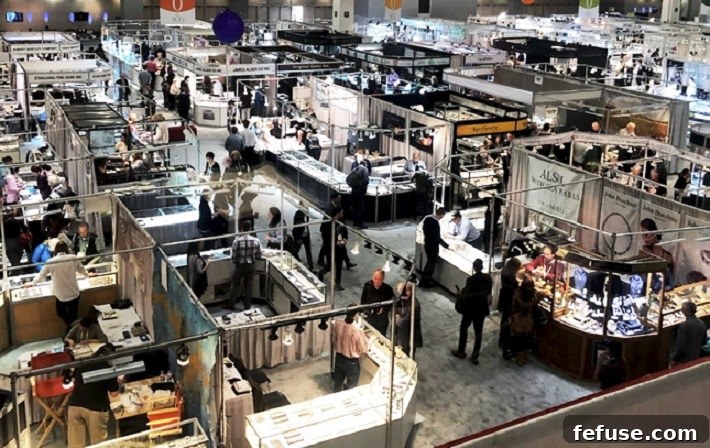
This pivotal ban is scheduled to take full effect starting with the highly anticipated AGTA GemFair Tucson 2025, slated for February next year, and will subsequently be enforced at every AGTA-run show thereafter. The annual GemFair Tucson stands as a cornerstone event in the global gem and jewelry calendar, attracting an impressive congregation of over 8,000 buyers and more than 300 exhibitors. For decades, it has served as a premier destination for sourcing high-quality natural gemstones and pearls, and this new policy is designed to solidify its unique position further.
A Crystal-Clear Stance for Natural Gems and Buyer Confidence
Kimberly Collins, President of the AGTA Board of Directors, articulated the rationale behind this groundbreaking decision with conviction. “AGTA felt that it needed to be crystal clear to buyers that when they attend an AGTA show, they know that they are only shopping mined natural gems from the earth,” Collins stated. This emphasis on transparency and the direct origin of the gemstones is central to the AGTA’s mission. In an increasingly complex market, providing an environment where the authenticity of every stone is guaranteed is paramount to fostering trust and facilitating informed purchasing decisions.
The association further elaborated on its motivations in an official statement, highlighting the disruptive influence of lab-grown alternatives on the traditional market. “Considering how disruptive lab-grown diamonds have been in the market, the AGTA board of directors decided to take a stance on man-made gemstones at its fairs to thwart potential confusion,” the statement read. The emergence and rapid proliferation of lab-grown diamonds, in particular, have created new challenges for consumers and industry professionals alike, often blurring the lines between natural and synthetic products. AGTA’s proactive measure seeks to preempt similar confusion within the broader colored gemstone sector by establishing a definitive boundary at its events.
While the policy strictly governs what can be displayed at AGTA trade shows, it acknowledges the existence and legitimacy of the synthetic gem market outside its specific venues. The statement clarifies, “It’s perfectly acceptable for AGTA dealers to sell synthetic gems if they choose and so long as they are disclosed, but for the sake of clarity and peace of mind, buyers attending AGTA GemFairs can shop knowing that only natural gems will be available for purchase.” This distinction is crucial: AGTA is not prohibiting its members from dealing in synthetic gems entirely, but rather creating a dedicated space where the focus remains exclusively on natural, mined treasures, thereby ensuring a consistent and unequivocal experience for its show attendees.
Defining “Nonnatural”: The Scope and Impact of the Ban
The AGTA’s classification of “nonnatural gemstones” as those “that are man-made, synthetic, or lab-grown” leaves no room for ambiguity. This includes all varieties of gemstones that are chemically, physically, and optically identical or similar to natural gems but have been produced in a laboratory. While these materials offer an alternative for consumers, their presence alongside natural stones without absolute clarity can lead to misrepresentation and diluted value perception for natural products. The ban targets this specific challenge by creating a distinct commercial environment.
The impact of this ban will be felt across all AGTA shows, but particularly at the flagship AGTA GemFair Tucson. This event is a critical sourcing point for retailers, designers, and manufacturers seeking high-quality natural colored gemstones and pearls. By ensuring that every item displayed is a natural product of the earth, AGTA reinforces its value proposition as the premier destination for authentic, mined gemstones. This move also sends a strong message to the industry about the association’s dedication to preserving the traditional definition and value of gemstones cultivated by geological processes over millennia.
The Mineralogical Distinction: Natural vs. Synthetic
Reinforcing the scientific basis for the AGTA’s decision, board member John Bradshaw provided a key insight: “It’s important to indicate that synthetic gems are not considered minerals because minerals are natural, and synthetics are not.” This statement highlights a fundamental mineralogical and geological distinction. By definition, a mineral is a naturally occurring solid, inorganic substance with a definite chemical composition and a regular atomic structure. Synthetics, despite sharing the same chemical composition and crystal structure as their natural counterparts, fail the “naturally occurring” criterion. They are products of human ingenuity, not geological processes.
This distinction is not merely academic; it underpins the very essence of what constitutes a gemstone in the traditional sense. The allure of natural gemstones often lies in their unique journey from the earth’s depths, their individual characteristics shaped by geological forces over millions of years, making each stone a unique marvel of nature. Synthetic gems, while aesthetically pleasing and chemically identical, lack this natural provenance and the inherent rarity associated with naturally occurring minerals. The AGTA’s policy firmly aligns with this traditional understanding, preserving the mystique and value associated with earth-mined treasures.
Protecting Buyer Trust and Upholding Industry Standards
The AGTA’s decision is a proactive step towards safeguarding buyer trust and enhancing the overall integrity of its trade shows. In an era where consumers are increasingly savvy and demand transparency, providing an environment where they can shop with absolute confidence is invaluable. The “peace of mind” that comes from knowing every gem at an AGTA show is natural and sourced from the earth is a significant selling point, distinguishing these events from other marketplaces.
Trade associations like AGTA play a crucial role in setting industry standards and ensuring ethical practices. By taking a clear stance on lab-grown materials, AGTA reinforces its position as a guardian of the natural gemstone industry. This move is not about diminishing the role or value of synthetic gems in the broader market, but rather about clearly delineating spaces and expectations. It aims to prevent inadvertent misrepresentation and ensure that consumers who specifically seek natural gemstones are able to do so without confusion at AGTA-sponsored events.
Broader Implications for the Global Gemstone Market
This bold move by AGTA is likely to have ripple effects across the global gemstone industry. For natural gemstone miners, cutters, and dealers, it offers a dedicated platform where their products can be showcased without direct competition from lab-grown alternatives, potentially bolstering demand and market stability for natural stones within this specific context. It provides clarity for businesses that exclusively deal in natural gems, assuring them that AGTA shows remain their uncontaminated domain.
Conversely, for producers and sellers of lab-grown gemstones, this decision means they will need to seek other avenues and trade shows to display and market their products. This could lead to a further segmentation of the market, with some shows specializing in natural gems and others potentially embracing both, or exclusively focusing on lab-grown materials. This clearer separation could ultimately benefit both segments by allowing each to develop its own distinct market identity and target audience.
For consumers, this policy offers a clear choice. Those who prioritize the natural origin, geological history, and inherent rarity of earth-mined gemstones will find AGTA shows to be a curated and trustworthy environment. Meanwhile, those who are interested in the ethical, environmental, or price advantages that lab-grown alternatives might offer will need to explore other retailers and exhibitions dedicated to those products. This segmentation, while potentially creating logistical considerations for some, ultimately empowers consumers with more informed purchasing decisions.
The Evolving Landscape of Gemstone Sourcing and Trade
The gemstone industry is in a constant state of evolution, driven by technological advancements, changing consumer preferences, and increasing demands for transparency and ethical sourcing. AGTA’s ban on lab-grown gemstones from its shows reflects a significant moment in this evolution, signaling a strong commitment to the traditional values and definitions that have long underpinned the natural gemstone market. It acknowledges the undeniable presence of lab-grown alternatives but opts to create a distinct space for its core focus.
This decision does not necessarily signal a conflict between natural and lab-grown gems but rather an effort towards clearer market segmentation. The two categories of gemstones can coexist, serving different segments of the market, but the AGTA believes they should be presented in clearly differentiated environments, especially at premier trade events. This approach ensures that the unique appeal and intrinsic value of natural gemstones—their rarity, their journey from the earth, and their geological narrative—remain unequivocally celebrated and understood by buyers.
Conclusion: A Firm Foundation for Natural Gemstones
In conclusion, the American Gem Trade Association’s comprehensive ban on lab-grown gemstones from all its trade shows, commencing with GemFair Tucson 2025, marks a definitive stand in the evolving gem market. Driven by a desire to ensure absolute clarity for buyers and to mitigate market confusion, this policy reaffirms AGTA’s core mission: to champion and protect the integrity of natural, earth-mined gemstones. By creating a dedicated environment where only authentic natural treasures are showcased, AGTA not only strengthens buyer confidence but also upholds the time-honored definitions and values that define the world of precious gems. This bold initiative paves the way for a future where the beauty and provenance of natural gemstones are unequivocally celebrated at AGTA events, providing unparalleled peace of mind for every attendee.