
Unlocking the Secrets of The Big Three: A Deep Dive into Ruby, Sapphire, and Emerald
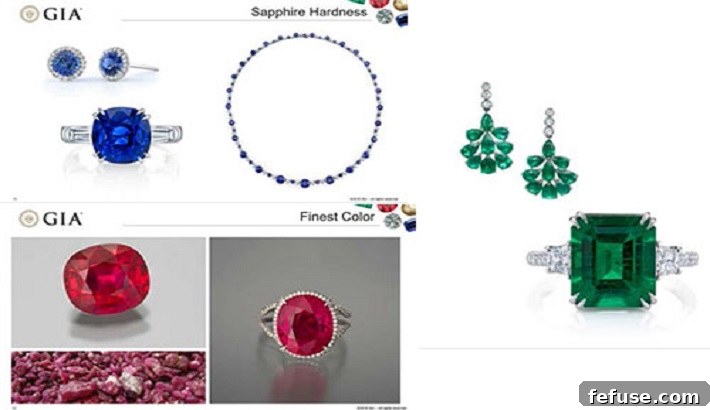
The world of fine jewellery and precious gemstones is often illuminated by the radiant beauty and profound history of its most revered specimens. Among these, three stand out as undisputed monarchs: the Ruby, the Sapphire, and the Emerald. Known collectively as “The Big Three,” these magnificent gems captivate with their vibrant colours, enduring allure, and tales steeped in myth and royalty. Their significance was the focus of an enlightening masterclass during the IIJS Virtual 2.0, an innovative online event powered by the esteemed Gemological Institute of America (GIA).
IIJS Virtual 2.0: A Platform for Gemological Excellence
From January 8th to 12th, 2021, the IIJS Virtual 2.0 hosted an exclusive series of theme-based Interactive Knowledge Sessions, bringing expert insights directly to participants across the globe. These sessions were meticulously designed to enrich the understanding of various facets of the gemstone and jewellery industry. The inaugural seminar, titled “THE BIG THREE,” set a high standard, offering an in-depth educational journey into the captivating realms of Ruby, Sapphire, and Emerald. Guiding this insightful session was Jamsheed Dastoor, a highly respected GIA Instructor, whose expertise provided invaluable perspectives to attendees.
Jamsheed Dastoor’s Masterclass: Decoding Gemstone Value
During his compelling presentation, Jamsheed Dastoor delivered a comprehensive masterclass, meticulously exploring the intricate factors that contribute to the perceived value and desirability of Ruby, Sapphire, and Emerald. He expertly guided IIJS participants through the nuances of rarity, the critical importance of colour, and the multifaceted aspects of overall quality. Understanding these elements is paramount for anyone involved in the gemstone trade, from seasoned dealers to aspiring gemologists and discerning collectors.
Rarity: The Elusive Charm
The inherent rarity of a gemstone plays a foundational role in its market value. Dastoor emphasized that “The Big Three” are not merely beautiful stones but natural wonders, formed over millions of years under specific geological conditions. Truly fine, investment-grade rubies, sapphires, and emeralds—possessing exceptional colour, clarity, and size without significant treatments—are extraordinarily scarce. This natural scarcity drives demand and commands premium prices, differentiating them from more commonly found gems.
Colour: The Soul of the Gemstone
For ruby, sapphire, and emerald, colour is arguably the most vital factor influencing value. Dastoor detailed how specific hues, tones, and saturations define the most coveted examples of each gem. For rubies, a vibrant, intense red often described as “Pigeon’s Blood” from Myanmar (Burma) is highly prized. Sapphires are renowned for their velvety “Cornflower Blue” from Kashmir, though fancy colours like Padparadscha (a pinkish-orange) also hold significant value. Emeralds are celebrated for their distinctive, vivid green, with Colombian emeralds often setting the benchmark for their unparalleled colour and clarity.
Quality: A Confluence of Factors
Beyond colour, the overall quality encompasses clarity, cut, and carat weight—often referred to as the “4 Cs.” Clarity, while universally important, is uniquely interpreted for each gem. For emeralds, minor inclusions known as “jardin” (French for garden) are often accepted and even celebrated as proof of natural origin, unlike the premium placed on near-flawless clarity in diamonds. The cut of a gemstone maximizes its brilliance and colour, while carat weight influences value exponentially, especially for larger, high-quality specimens of “The Big Three.”
The Rich Tapestry of History and Lore
Beyond their physical attributes, these precious gemstones are imbued with profound historical significance and mystical lore, which Dastoor eloquently reviewed. These narratives connect the gems to human emotions, beliefs, and aspirations across millennia, further enhancing their mystique and desirability.
- Ruby: The Stone of Passion and Power
Rubies have long been associated with intense human emotions. Their fiery red hue links them to love, passion, and desire, making them potent symbols of romance. Yet, their deep colour also signifies anger, fury, and raw power, often adorning the crowns and regalia of kings and emperors as a symbol of invincibility and authority. Ancient cultures believed rubies possessed inner fire and could grant good fortune and protection. - Sapphire: The Gem of Wisdom and Nobility
Sapphires, primarily recognized for their serene blue, are frequently connected to nobility, truth, sincerity, and faithfulness. Throughout history, they have been favoured by royalty and clergy, believed to bring wisdom, spiritual insight, and protection from harm. The gem’s calming blue was also thought to represent the heavens, linking its wearers to divine favour and peace. - Emerald: The Stone of Rebirth and Fertility
Emeralds, with their vibrant green reminiscent of lush landscapes, are traditionally associated with rebirth, fertility, and the rejuvenating power of nature. They were revered by ancient civilizations, including the Egyptians, who linked them to eternal youth and vitality. Often considered a talisman for warding off evil and promoting healing, emeralds have symbolized hope and new beginnings for centuries.
Distinguishing Natural from Synthetic: The Expert Eye
In a market where sophisticated synthetic counterparts exist, the ability to differentiate natural gemstones from lab-created ones is crucial. Dastoor highlighted that features like inclusions—tiny minerals, gas bubbles, or growth patterns trapped within the stone—are incredibly helpful diagnostic indicators. While often seen as imperfections, these natural fingerprints are unique to each gemstone and serve as irrefutable evidence of its organic formation over geological time. Synthetic gems, grown in controlled laboratory environments, typically exhibit different inclusion patterns or, sometimes, a noticeable lack thereof, making gemological examination indispensable for accurate identification.
Enhancing Beauty: Understanding Gemstone Treatments
The journey of a gemstone from mine to market often involves various treatments designed to enhance its appearance. Dastoor discussed these common practices, emphasizing their impact on value and the critical need for disclosure. Heat treatment, for instance, is widely applied to rubies and sapphires to improve their colour and clarity. For emeralds, oiling or resin filling is a common practice to fill surface-reaching fissures, thereby improving their clarity and overall appearance. While many treatments are routine and accepted, undisclosed treatments can significantly diminish a gem’s value and ethical standing. GIA plays a vital role in educating both professionals and consumers about these enhancements, promoting transparency within the industry.
The Prestige of Provenance: Country of Origin
The country of origin is another immensely important factor in determining a gemstone’s value and prestige, as Dastoor rightly pointed out. Certain locales are renowned for producing gems of exceptional quality and distinct characteristics, which often command premium prices. For example:
- Myanmar (Burma) Rubies: Historically, Burmese rubies, particularly those with the “Pigeon’s Blood” colour, are considered the pinnacle of ruby quality.
- Kashmir Sapphires: Sapphires from Kashmir, famous for their velvety “Cornflower Blue,” are among the most sought-after and valuable sapphires in the world.
- Colombian Emeralds: Colombia is celebrated for producing emeralds with an unparalleled vivid green colour and superior transparency.
While other regions like Mozambique, Sri Lanka, and Zambia also yield beautiful gems, the historical reputation and consistent quality associated with specific origins often lend a mystical allure and a significant boost to market value.
The Enduring Legacy of “The Big Three”
The seminar concluded by reinforcing the enduring appeal and intrinsic value of Ruby, Sapphire, and Emerald. These gemstones are not just commodities; they are treasures of the earth, steeped in history, rich in symbolism, and testament to nature’s artistry. Jamsheed Dastoor’s masterclass at IIJS Virtual 2.0, powered by GIA, served as a crucial reminder of the complexity and beauty inherent in these precious stones. It underscored the importance of expert knowledge, ethical practices, and the continuous pursuit of education for professionals and enthusiasts alike. Understanding “The Big Three” is fundamental to appreciating the broader world of gemology and recognizing the profound impact these stones have had on human culture, commerce, and creativity.
The insights shared during these interactive knowledge sessions continue to empower participants, enabling them to navigate the dynamic gemstone market with greater confidence and discernment. As the industry evolves, the core principles of understanding rarity, appreciating colour, assessing quality, and recognizing origin, treatments, and authenticity remain timeless pillars of gemological expertise.
News Source : gjepc