
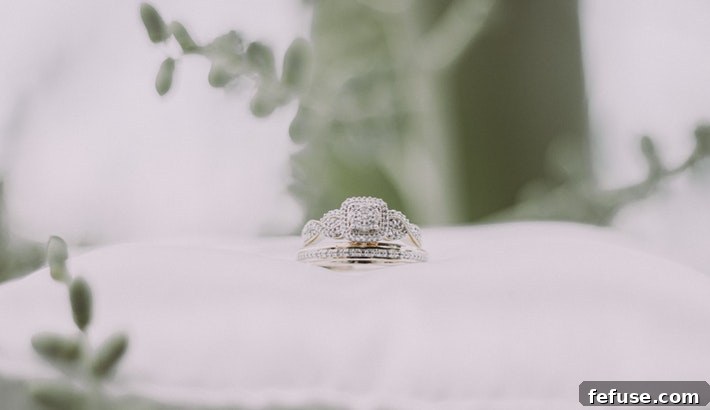
Your Ultimate Guide to Buying Diamond Engagement Rings Online Safely and Smartly
In today’s fast-paced world, online shopping has revolutionized how we acquire everything from groceries to gadgets, offering unparalleled convenience, selection, and often, significant savings. However, for momentous purchases like a diamond engagement ring, the traditional brick-and-mortar experience often still holds sway due to lingering uncertainties and perceived risks associated with high-value online transactions. While the allure of saving 20% to 30% on your dream ring is compelling, many prospective buyers hesitate, fearing scams, subpar quality, or the lack of personal interaction. This comprehensive guide is designed to empower you with the knowledge and confidence needed to navigate the online diamond market, ensuring you find the perfect symbol of your love without falling victim to common pitfalls.
The Digital Advantage: Why Buy Your Engagement Ring Online?
The primary drivers for purchasing an engagement ring online are undoubtedly cost-effectiveness and a vast selection. Online jewelers typically have lower overheads compared to physical stores, allowing them to offer more competitive pricing. Furthermore, the internet provides access to a global inventory, meaning you can compare diamonds from various suppliers worldwide, ensuring you find a stone that perfectly matches your criteria for the best possible price. The convenience of browsing from home, at your own pace, without sales pressure, is another undeniable benefit. However, unlocking these advantages requires a strategic approach focused on due diligence and informed decision-making.
Essential Steps for a Secure Online Diamond Ring Purchase
1. Conduct Thorough Research on Reputable Jewelers
The cornerstone of a successful online purchase is choosing a trustworthy vendor. It’s crucial to differentiate between a legitimate, established jewelry business and a transient online-only operation. Start by meticulously researching potential jewelers. Look for extensive customer reviews on independent platforms like Google Business Listings, Trustpilot, and the Better Business Bureau (BBB). A high volume of positive reviews, coupled with transparent responses to any negative feedback, is a good indicator of reliability. Verify their physical address and contact information – a credible online jeweler will often have a physical showroom or office, even if their primary sales channel is online. Explore their website’s “About Us” section for their history, mission, and team expertise.
Crucially, scrutinize their policy pages. A reputable jeweler will have clear, comprehensive, and easy-to-understand shipping, return, and warranty policies. Lack of transparency or vague wording in these sections is a significant red flag. Don’t hesitate to reach out directly; request a consultation call or engage in their online chat. Discuss your specific requirements, budget, and any questions you might have about their diamonds or services. This interaction will give you invaluable insight into their knowledge, professionalism, and customer service quality. If you’re considering an international purchase, such as from a highly regarded Dubai engagement ring store, a video conferencing call is highly recommended. This allows for a more personal connection, facilitates detailed discussions, and provides an opportunity to gauge their credibility and commitment to client satisfaction.
2. Establish a Clear Budget Before You Begin
Before you embark on the thrilling journey of finding the perfect engagement ring, establishing a realistic spending limit is paramount. Diamond rings represent a significant investment, and prices can vary dramatically based on the diamond’s characteristics. While it’s tempting to get swept away by dazzling options, a pre-determined budget will help you narrow down your choices and prevent overspending. Remember, the outdated notion of spending “two or three months’ salary” on an engagement ring is a marketing construct, not a financial rule. The most important factor is to spend what you are genuinely comfortable with, ensuring the purchase doesn’t create undue financial strain.
Understanding how the “4Cs” (Cut, Clarity, Color, Carat) impact price will allow you to make strategic compromises. For instance, if you prioritize size, you might find an excellent value by opting for a diamond with a slightly lower color grade (e.g., G-I range, which appears colorless to the naked eye) or a clarity grade with minor inclusions that are not visible without magnification (e.g., eye-clean VS2 or SI1). Conversely, if exceptional sparkle is your goal, you might allocate more of your budget to cut quality and compromise slightly on carat weight. Discuss your budget openly with the jeweler; an ethical vendor will help you maximize your options within your financial parameters.
3. Insist on a Reputable Diamond Certification
A diamond’s grading certificate is its definitive identity document and your strongest safeguard against misrepresentation. Never purchase a diamond engagement ring without an independent grading report from a globally recognized and accredited gemological laboratory. The most respected institutions in the industry include:
- GIA (Gemological Institute of America): Widely considered the gold standard for diamond grading, GIA is known for its stringent and consistent grading methodology.
- AGS (American Gem Society Laboratories): Renowned for its focus on cut quality, AGS provides highly detailed cut grades, often using proprietary systems.
- IGI (International Gemological Institute): A well-respected laboratory, particularly popular for certifying smaller diamonds and colored gemstones, with a strong international presence.
- HRD Antwerp: A leading European gemological lab, known for its rigorous standards and comprehensive reports.
These organizations provide an unbiased assessment of a diamond’s 4Cs, dimensions, and other characteristics. The certificate verifies the diamond’s quality, ensuring you receive exactly what you pay for. Avoid diamonds accompanied only by “in-house” certifications or reports from lesser-known labs, as their grading standards may not be as consistent or reliable. Always cross-reference the unique laser inscription number (often etched on the diamond’s girdle) with the certificate to ensure they match, and verify the certificate directly on the issuing lab’s website.
4. Understand the Return and Exchange Policy
Given that you cannot physically inspect the ring before purchase, a robust and customer-friendly return policy is non-negotiable. This policy provides a crucial safety net, allowing you to return the ring if it doesn’t meet your expectations upon arrival or if there’s any discrepancy. Before committing to a purchase, thoroughly review the jeweler’s return policy, paying close attention to the following details:
- Return Window: How many days do you have to initiate a return? A minimum of 30 days is advisable, with 60 or 90 days being even better, especially for such a significant purchase.
- Full Refund vs. Store Credit: Always aim for a full monetary refund. Store credit can limit your options if you decide to buy elsewhere.
- Restocking Fees: Some jewelers charge a restocking fee for returns. Opt for vendors who do not impose such fees.
- Return Shipping Costs: Clarify who is responsible for return shipping charges and if the return shipment needs to be insured (which it absolutely should be for high-value items).
- Condition of Return: Understand that the ring must be returned in its original, unworn condition, with all original packaging and the grading certificate intact. Failure to return the certificate can result in significant fees.
- Custom Orders: Be aware that custom-designed or engraved rings often have modified or non-existent return policies. Clarify these terms upfront if you’re opting for a bespoke design.
Additionally, investigate the jeweler’s warranty and guarantee policies. Does it offer a lifetime warranty covering manufacturing defects, routine cleanings, or minor repairs? Or is it a limited warranty for a specific duration? Knowing these terms ensures peace of mind for the long-term care of your cherished ring.
5. Scrutinize the Shipping and Insurance Policy
The safe and secure delivery of your diamond engagement ring is paramount. A reliable online jeweler will always provide comprehensive shipping insurance to protect your purchase against loss or damage during transit. Before ordering, thoroughly read and understand their shipping policy:
- Insurance Coverage: Confirm that the shipment is fully insured for the total value of your purchase.
- Shipping Carrier: What reputable carriers do they use (e.g., FedEx, UPS, Brinks)?
- Signature Requirement: A signature should always be required upon delivery to ensure the package doesn’t fall into the wrong hands.
- Discreet Packaging: Ensure the package is unbranded and discreet, with no indication of its valuable contents on the exterior. This minimizes the risk of theft.
- Tracking Information: Will you receive a tracking number to monitor your package’s journey?
- International Shipping: If applicable, understand potential customs duties, import taxes, and brokerage fees, and clarify who is responsible for these charges. Also, be aware of potential delays due to customs clearance.
A transparent shipping policy instills confidence, knowing your precious purchase is protected every step of the way until it safely reaches your hands.
Deciphering the 4Cs: Your Diamond’s Blueprint
Understanding the 4Cs – Cut, Clarity, Color, and Carat – is fundamental to making an informed diamond purchase. These four characteristics collectively determine a diamond’s beauty, rarity, and value. Learning how to prioritize and balance them based on your preferences and budget is key to finding your ideal ring.
Cut: The Most Crucial Factor for Brilliance
Often considered the most important of the 4Cs, the diamond’s cut refers not to its shape (e.g., round, oval), but to how well its facets interact with light. A superior cut maximizes a diamond’s brilliance (white light reflection), fire (dispersion of light into rainbow colors), and scintillation (sparkle). Even a diamond with excellent color and clarity will appear dull if it has a poor cut. Cut grades typically range from Excellent (or Ideal) to Poor.
Online jewelers often provide detailed cut assessments, sometimes with 3D videos, ASET (Angular Spectrum Evaluation Tool) images, or Hearts & Arrows patterns (for round brilliant cuts), which visually demonstrate a diamond’s light performance. While an “Excellent” or “Ideal” cut is desirable, an AGS “Very Good” or GIA “Very Good” cut can still offer stunning brilliance at a more accessible price point. Be aware of the various diamond shapes available, each offering a unique aesthetic: Round Brilliant (most popular, maximum sparkle), Princess, Oval, Emerald, Pear, Marquise, Cushion, Radiant, and Asscher cuts. Each shape has its own visual characteristics and can influence how carat weight is perceived.
Clarity: The Absence of Inclusions
Clarity refers to the presence or absence of inclusions (internal flaws) and blemishes (external imperfections). The GIA clarity scale ranges from Flawless (FL) to Included (I3). While Flawless diamonds are exceedingly rare and expensive, most buyers opt for diamonds where inclusions are not visible to the naked eye – often referred to as “eye-clean.”
For online purchases, leverage high-resolution images, magnified views (10x magnification or more), and 3D videos provided by the jeweler. These tools allow you to visually inspect the diamond for any visible inclusions. A diamond graded VS2 (Very Slightly Included) or even an eye-clean SI1 (Slightly Included) can offer significant cost savings compared to VVS (Very, Very Slightly Included) grades, without compromising on visible beauty. Prioritizing an eye-clean diamond over a technically higher clarity grade is a smart strategy for budget-conscious buyers.
Color: The Absence of Yellow Tinge
Diamond color is graded on a scale from D (colorless) to Z (light yellow or brown). The less color a diamond possesses, the rarer and more valuable it generally is. For most engagement rings, buyers aim for diamonds that appear colorless or near-colorless.
Diamonds in the D-F range are considered colorless, G-J are near-colorless (appearing colorless to the naked eye), and K-M have a faint yellow tint. Choosing a diamond in the G-I range often presents an excellent value proposition, as these stones appear colorless when mounted, especially in white gold or platinum settings, which can mask subtle yellow hues. For those interested in fancy colored diamonds (e.g., pink, blue, yellow), the grading criteria differ, focusing on the intensity and hue of the color rather than its absence.
Carat: The Weight of the Diamond
Carat refers to the diamond’s weight, not its size. One carat equals 200 milligrams. While a higher carat weight generally translates to a larger diamond, the cut also plays a significant role in how big a diamond appears. For instance, a well-cut 0.90-carat diamond might appear visually larger than a poorly cut 1.00-carat diamond because of its superior light performance and spread.
The price per carat increases disproportionately at psychological benchmarks (e.g., 0.50 ct, 1.00 ct, 1.50 ct). A savvy buying strategy is to look for diamonds that fall just under these popular weights (e.g., a 0.90-carat instead of a 1.00-carat). These “off-size” diamonds often look almost identical in size to the naked eye but can offer substantial savings. Remember, a stunning design doesn’t necessitate a massive stone; a beautifully cut 0.75-carat or 1.00-carat diamond, expertly set, can create an equally breathtaking and bespoke ring.

Conclusion: Empowering Your Online Engagement Ring Journey
Purchasing a diamond engagement ring online can be a truly rewarding experience, offering exceptional value, vast selection, and unmatched convenience. By arming yourself with knowledge and meticulously following these guidelines, you can navigate the digital marketplace with confidence, mitigate potential risks, and avoid common pitfalls. Thorough research, clear budgeting, insisting on independent certification, and understanding the nuances of shipping, return policies, and the 4Cs will empower you to make an informed decision. With careful planning and due diligence, you can proudly present a stunning diamond engagement ring that perfectly symbolizes your unique love story, secured safely and smartly from the comfort of your home.