
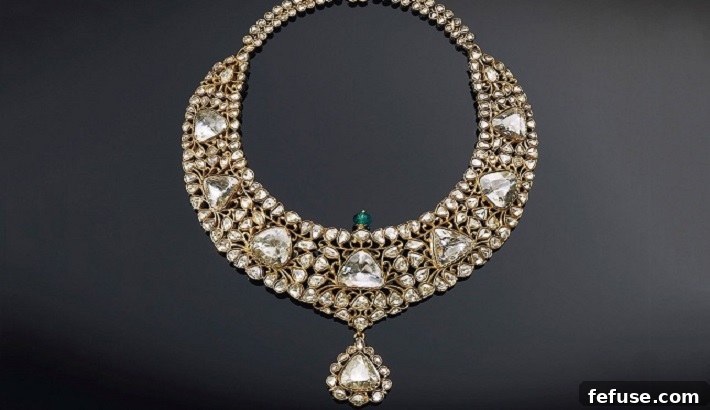
A Glimpse into Grandeur: Unveiling a Collection of Historic Jewels
Embark on a captivating journey through centuries of unparalleled artistry, royal intrigue, and breathtaking beauty as we delve into an extraordinary collection of historic jewels. This remarkable ensemble showcases not merely gemstones, but tangible echoes of powerful empires, legendary figures, and the masterful hands of celebrated jewelers. Each piece tells a unique story, intertwining the allure of natural wonders with the profound narratives of human history, culture, and luxury.
At the heart of this magnificent collection lies a testament to the Earth’s most precious treasures: diamonds of legendary provenance. Among the stars of this assembly are the exquisite Mirror of Paradise Diamond and the revered Arcot II Diamond. Both originate from the fabled Golconda mines, a name that resonates with unparalleled quality and historical significance. Golconda, situated in what is now the southern part of India, stands as the earliest known diamond mine to mankind, having been the sole source of the world’s finest diamonds for nearly two millennia before other deposits were discovered. Its legacy is etched in the very fabric of diamond history, responsible for yielding some of the most celebrated and iconic diamonds ever discovered, known for their exceptional purity, clarity, and breathtaking luminosity. These Golconda treasures are more than just gems; they are historical artifacts, each carrying the weight of centuries and the mystique of their ancient origins.
The Arcot Diamond: A Royal Tale of Diplomatic Splendor
Few jewels encapsulate the blend of regal heritage and international diplomacy quite like the Arcot Diamond. This magnificent D-color stone, weighing an impressive 17.21 carats, is a masterfully cut, pear-shaped brilliant that radiates an ethereal glow. Its pristine D-color grading signifies absolute colorlessness, a hallmark of ultimate rarity and value in the world of diamonds. The Arcot Diamond, however, is not merely defined by its breathtaking physical attributes; its illustrious provenance imbues it with an even deeper significance.
The history of the Arcot Diamond traces back to the 18th century, a period marked by burgeoning global trade and intricate political relationships between European powers and the opulent princely states of India. It was one of two identical diamond ear drops bestowed as a princely gift to Queen Charlotte (1744-1818), the beloved wife of King George III of Great Britain. This extraordinary diplomatic offering came from the Nawab of Arcot, Muhammad Ali Khan Wallajah, a powerful South Indian ruler who maintained significant ties with the British East India Company. Such gifts were not merely tokens of esteem; they were potent symbols of alliance, respect, and mutual interest, bridging vast geographical and cultural divides with unparalleled luxury.
Following its initial reception into the British Royal collection, the Arcot Diamond embarked on another chapter of its illustrious journey. The diamonds were later acquired at auction by the Marquess of Westminster, a title held by one of Britain’s most prominent aristocratic families. Under their esteemed patronage, these historic gems were given a new life, being subsequently mounted into what would become the magnificent Westminster Tiara. This stunning piece of jewelry, with the Arcot Diamond taking pride of place, went on to achieve further historical prominence when it was worn at the coronation of Queen Elizabeth II in 1953. This act firmly cemented the Arcot Diamond’s place not just as a jewel of remarkable beauty, but as a silent witness to pivotal moments in British royal history, connecting eras and monarchs through its enduring brilliance.
The Patiala Ruby Choker by Cartier: A Symphony of East and West
If the Arcot Diamond speaks of 18th-century diplomacy, the Patiala Ruby Choker by Cartier brilliantly articulates the “fusion of East and West” in early 20th-century jewelry design. This iconic creation, brought to life in 1931 by the legendary French jewelry house, stands as a powerful symbol of artistic collaboration and the luxurious tastes of Indian royalty. It represents a period when European jewelers, particularly Cartier, were deeply inspired by the vibrant aesthetics and bountiful gemstone resources of India, while Indian Maharajas sought the unparalleled craftsmanship and innovative designs of Western ateliers.
The choker itself is an opulent masterpiece, showcasing an astounding 292 ruby beads, collectively weighing an impressive 356.56 carats. These rich, crimson rubies, likely sourced from the legendary mines of Burma (now Myanmar), are known for their exceptional color saturation and natural beauty. They are meticulously interspersed with panels featuring 132 threaded pearls, offering a delicate contrast to the vibrant rubies and adding a classic touch of elegance. The true brilliance of Cartier’s design, however, is revealed in the meticulously crafted clasps. Each side of the choker is caught with a clasp formed of a cluster of six cabochon claw-set rubies, surrounded by a constellation of 120 diamonds and rubies, all set in platinum. The cabochon cut, which presents a smooth, rounded, and highly polished surface, highlights the rich color of the rubies, while the surrounding brilliant-cut diamonds provide a dazzling sparkle, creating a captivating interplay of light and texture.
This magnificent choker is not a standalone piece but a crucial component of a larger, truly spectacular bib-style necklace. The entire ensemble was a grand commission by His Highness Maharaja Bhupinder Singh of Patiala, one of the most extravagant and discerning clients in Cartier’s illustrious history. The Maharaja of Patiala was renowned for his immense wealth, his passion for motorcars, and his insatiable appetite for the finest jewels. His commissions to Cartier were legendary, often involving vast quantities of gemstones from his personal treasury, reimagined and set into breathtaking designs that epitomized the era’s peak of luxury and craftsmanship. The Patiala Ruby Choker, therefore, is not just a beautiful object; it is a profound historical document, representing the zenith of cross-cultural artistic exchange and the unparalleled patronage of a truly remarkable individual.
The Enduring Allure of Historic Collections
Beyond the individual splendor of the Arcot Diamond and the Patiala Ruby Choker, this collection as a whole offers an unparalleled educational and aesthetic experience. It underscores the profound and enduring allure of historic jewels – pieces that transcend mere monetary value to become custodians of human history, artistic endeavor, and cultural exchange. Such collections remind us that gemstones, when transformed by master artisans and imbued with the stories of their owners, become immortal symbols of power, love, ambition, and beauty.
The meticulous craftsmanship evident in each piece, from the precise cutting of the Golconda diamonds to the intricate setting of rubies and pearls in platinum by Cartier, speaks volumes about the dedication and skill of the jewelers. The provenance of these pieces, linking them to queens, nawabs, and maharajas, adds layers of intrigue and historical significance, making them far more than mere decorative items. They are tangible links to bygone eras, offering a window into the lifestyles, aesthetics, and political landscapes of their time.
The opportunity to view highlights from such an exceptional collection is always a rare privilege, attracting enthusiasts, collectors, historians, and admirers of fine art from across the globe. These pieces typically embark on a world tour, allowing a diverse international audience to appreciate their beauty and historical depth. Past exhibitions have graced cities like London, Shanghai, Geneva, New York, and Hong Kong, transforming art galleries and auction houses into temporary museums of unparalleled luxury. These events not only celebrate the jewels themselves but also foster a deeper understanding of the intricate histories they represent. The grand finale of such a tour often culminates in a full exhibition in a major cultural hub, like New York, before a much-anticipated auction, where these unique treasures find their next custodians, continuing their extraordinary journey through time.
In conclusion, this collection is a breathtaking mosaic of human ingenuity, natural wonder, and historical narrative. From the ancient depths of Golconda, yielding diamonds of pristine purity, to the exquisite workshops of Cartier, crafting masterpieces for Indian royalty, these jewels represent the pinnacle of luxury and art. They stand as enduring symbols of beauty, power, and the fascinating interplay between different cultures, inviting us to marvel at their brilliance and ponder the rich stories they silently tell.