
The luxury market is undergoing a significant transformation, driven by the evolving preferences and purchasing power of affluent millennials. A recent groundbreaking survey by MVI Marketing has shed light on this crucial demographic, revealing a fascinating blend of traditional brand loyalty and a strong predisposition towards innovative marketing strategies. While iconic luxury houses like Rolex and Tiffany continue to command respect and desire, the research unequivocally points to a growing appreciation for high-end brands that master the art of content marketing. This dual allegiance signals a dynamic shift in how luxury brands must engage with their future dominant consumer base.
MVI Marketing’s comprehensive survey encompassed nearly 1,000 consumers, meticulously selected from the 25 to 40 age bracket, all boasting a robust household income of $80,000 and above. This specific demographic, often termed “affluent millennials,” represents a powerful segment whose spending habits will dictate the future trajectory of the luxury industry. The findings from this survey provide invaluable insights into their brand perceptions, preferred categories, and the underlying factors influencing their purchasing decisions.
Decoding Millennial Luxury Brand Preferences
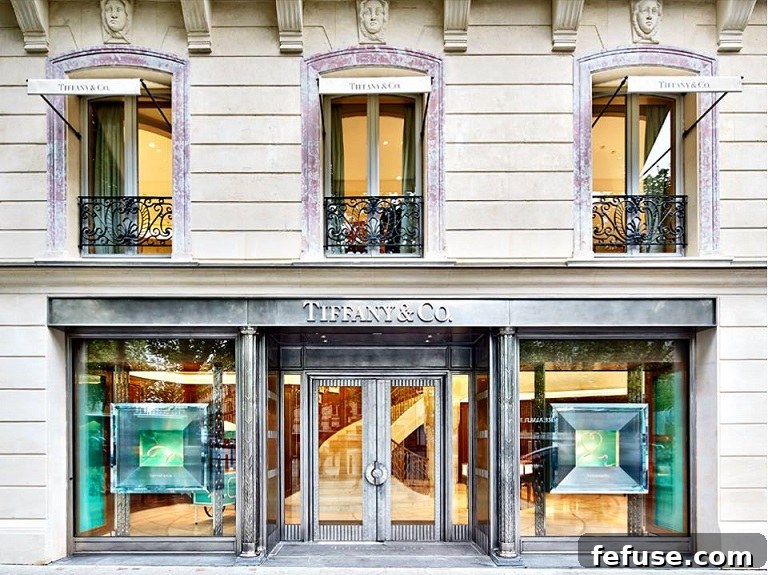
When it came to jewelry, an undisputed leader emerged: Tiffany & Co. The quintessential American luxury jeweler secured the top spot, demonstrating its enduring appeal across generations, yet particularly potent among affluent millennials. Following closely were other esteemed brands, including the venerable Cartier, the globally popular Pandora, and fashion-forward houses like Chanel and Gucci. Harry Winston, Bulgari, David Yurman, Hermès, and Tacori also featured prominently, rounding out a list that speaks to both established heritage and contemporary relevance.
The watch category presented a similar pattern of admiration for timeless elegance. Rolex, a name synonymous with prestige and precision, was overwhelmingly chosen as the favorite watch brand. However, its immediate successor offered a stark contrast: Apple. This juxtaposition highlights the unique blend of traditionalism and technological integration that defines millennial luxury consumption. Following Rolex and Apple, other luxury watchmakers like Omega, Cartier, TAG Heuer, Piaget, Patek Philippe, Breitling, Jaeger-LeCoultre, and Chopard completed the list, solidifying the market’s appreciation for exquisite craftsmanship and horological excellence.
The Enduring Power of Heritage Brands – With a Twist
Marty Hurwitz, CEO of MVI Marketing, acknowledges that the top contenders – Tiffany and Rolex – are largely traditional names whose high rankings reflect their unparalleled brand awareness and historical significance. These brands possess a legacy that transcends generations, appealing to baby boomers and Gen Xers as much as they do to millennials. However, Hurwitz points out a critical nuance that distinguishes this younger demographic’s loyalty. “But the distance between Rolex and Tiffany and the rest of the brands was dramatic,” Hurwitz explains. “I’m not sure that would be the same for the baby boomers. With Tiffany, there was almost a 30-point spread. There is something more going on here, especially with the new nature of these consumers.”
This “something more” is precisely what makes affluent millennials a captivating study. While they appreciate heritage, their engagement goes deeper than mere recognition. They seek authenticity, purpose, and a connection that traditional advertising alone often fails to deliver. The inclusion of Apple and Pandora in the top rankings, despite their relatively shorter history compared to others on the lists, underscores this point. These brands have successfully carved out a niche by offering modern appeal, innovation, and, significantly, by leveraging contemporary marketing channels to connect with younger audiences.
The Content Marketing Imperative: Connecting with the Modern Consumer
Interestingly, Hurwitz notes that this clear delineation of top brands wasn’t as pronounced in other luxury categories, such as hotels and handbags. This observation provides further clues into the millennial psyche. In the luxury hotel sector, for instance, Ritz-Carlton secured the leading position, but JW Marriott unexpectedly claimed the second spot. “I wouldn’t really compare Marriott to the Four Seasons,” Hurwitz concedes, highlighting the perceived difference in traditional luxury positioning. Yet, he quickly points to the underlying factor for Marriott’s success: “But what is interesting is that Marriott spends millions of dollars on content marketing, putting out videos about different travel destinations. Millennials really like that.”
This insight is profound. It suggests that while high-quality product and service remain non-negotiable, the manner in which brands communicate their value and story is increasingly pivotal. Content marketing, which involves creating and distributing valuable, relevant, and consistent content to attract and retain a clearly defined audience, resonates deeply with millennials. They are a digitally native generation, constantly consuming media and seeking information. Brands that offer engaging narratives, behind-the-scenes glimpses, aspirational lifestyle content, or educational pieces are effectively building trust and fostering a sense of community, rather than merely pushing products. This approach feels authentic and adds value to their digital experience, making brands more relatable and desirable.
Lessons for the Jewelry Industry: Beyond Traditional Approaches
For the jewelry industry, these findings serve as a clarion call for adaptation and innovation. The traditional methods of marketing, though successful in the past, may no longer suffice to capture the full potential of the millennial market. Hurwitz’s advice is clear: “Don’t just look for traditional ways of marketing, even though they may have been successful in the past.”
This doesn’t mean abandoning classic advertising or brand heritage. Instead, it advocates for an integrated strategy where timeless elegance meets digital ingenuity. Jewelry brands must invest in sophisticated content marketing strategies that tell their stories, showcase their craftsmanship, explain the provenance of their materials, and highlight the emotional significance of their pieces. This could involve high-quality video content detailing the design process, interactive social media campaigns, collaborations with relevant influencers, virtual try-on experiences, or editorial features that delve into the history and artistry behind each collection. The goal is to move beyond transactional relationships and cultivate an emotional connection that resonates with a generation that values experiences and authenticity as much as, if not more than, mere possession.
The Unstoppable Rise of Millennial Purchasing Power
Looking ahead, Hurwitz predicts that millennials are poised to become the undisputed dominant force in the global luxury market. While challenges such as fluctuating incomes and high student debt currently impact broader diamond sales, the affluent segment of this generation, particularly those thriving in high-growth sectors like technology, finance, and film in coastal urban centers, are accumulating significant wealth. As their financial stability grows, so too will their capacity and inclination to invest in luxury goods.
“There are issues now with low incomes, high student debt,” he says. “That is driving the diamond problems. But where the wealthy live, on the coasts, there are wealthy millennials in tech, finance, and film. And as they acquire wealth, they will latch onto brands. They might not all be the traditional brands. They might be new brands.” This observation is critical: while some will naturally gravitate towards established names like Rolex and Tiffany, a significant portion will be open to, and actively seek out, newer brands that align with their values, aesthetic preferences, and digital-first mindset. This opens the door for innovative luxury startups and provides an incentive for established brands to continuously refresh their appeal.
The sheer longevity of their spending cycle further underscores their future impact. “These kids have a 30-year spending cycle ahead of them and we are just at the beginning of it,” Hurwitz emphasizes. “They will be a bigger spending bloc than the boomers. But it will look different. It’s already looking different.” This “different” approach to luxury consumption is multifaceted. Millennials often prioritize experiences over material possessions, seek sustainable and ethically sourced products, value transparency, and expect brands to reflect their social consciousness. Their engagement with luxury is less about overt status symbols and more about self-expression, personal narrative, and alignment with their identity.
This seismic shift necessitates a proactive and adaptive strategy from luxury brands worldwide. Understanding the nuances of millennial preferences – their appreciation for both enduring heritage and dynamic digital engagement, their demand for authentic storytelling, and their long-term spending potential – is no longer optional but essential for sustained success. The future of luxury is not just about what is sold, but how it is presented, experienced, and integrated into the lives of this powerful new generation of consumers.