
In a significant development for the global colored gemstone industry, Pallinghurst Resources Ltd., the largest investor in Gemfields, has launched an unsolicited offer to acquire the remaining shares of the London-based miner. This bold move has set the stage for a potential corporate shake-up, prompting Gemfields’ board to advise its shareholders to exercise caution and refrain from immediate action while the offer undergoes thorough review.
Pallinghurst, a private equity firm also based in London, has put forth a proposal to purchase the 53 percent of Gemfields that it does not currently own. The offer is valued at approximately $145.2 million, aiming to consolidate ownership and fully integrate Gemfields into Pallinghurst’s portfolio. The unsolicited nature of the bid means that Pallinghurst did not engage with Gemfields’ management or board prior to making the offer public, a common tactic in situations where an acquirer believes direct negotiation might not yield the desired outcome or when they seek to put pressure on the target company’s board.
In response to the bid, Gemfields issued a statement acknowledging the offer and confirming that no prior discussions had taken place with Pallinghurst. The independent board of Gemfields immediately initiated a comprehensive review of the proposal, engaging its financial and legal advisers to assess the terms and implications for the company and its shareholders. As is standard practice in such circumstances, the board’s initial recommendation was for shareholders not to take any precipitous action, allowing sufficient time for a detailed evaluation and a formal response to be formulated. This precautionary advice is crucial to ensure that shareholders are fully informed before making a decision that could impact their investment.
However, the narrative took an interesting turn when Pallinghurst declared that its offer had effectively become unconditional. The firm announced that it had already secured acceptances from Gemfields shareholders, representing approximately 28 percent of the company’s shares. When combined with Pallinghurst’s existing stake in Gemfields, this pushes their total backing to around 75 percent. Such a substantial level of support significantly strengthens Pallinghurst’s position, indicating a strong likelihood of the acquisition proceeding and placing considerable pressure on the remaining shareholders and the Gemfields board.
This takeover bid is not an isolated event but rather an integral part of Pallinghurst’s broader strategy. The private equity firm has outlined a proposed restructuring initiative designed to enhance performance and unlock greater value across its investment portfolio. Acquiring full control of Gemfields is seen as a pivotal step in this plan, allowing Pallinghurst to implement its strategic vision without the complexities and potential conflicts that can arise from partial ownership or the pressures of public market listing for the target entity.
Should the acquisition be successfully completed, Pallinghurst has made clear its intention to delist Gemfields from the AIM market of the London Stock Exchange. Delisting from a public exchange like AIM, which is designed for smaller, growing companies, can offer several advantages to a private owner. It typically reduces the regulatory burden and associated compliance costs, provides greater operational flexibility, and allows for a more long-term strategic focus away from the short-term pressures and scrutiny often imposed by public market investors. While potentially beneficial for the new owner, delisting could impact minority shareholders who might prefer the liquidity and transparency offered by a publicly traded company.
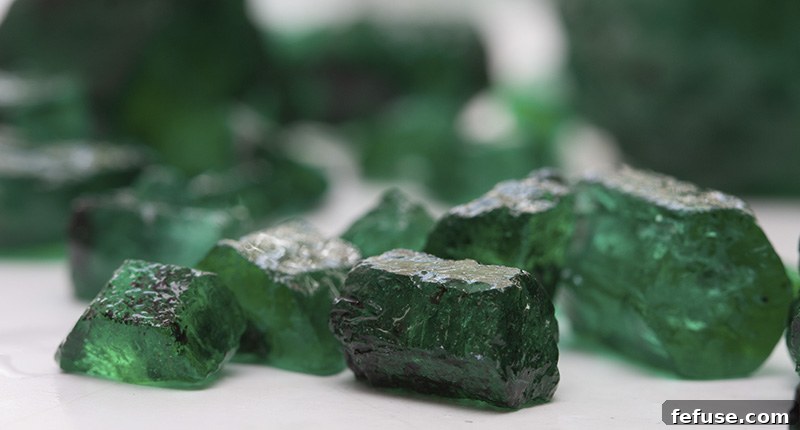
Furthermore, Pallinghurst’s post-acquisition plans include a sharpened focus on Gemfields’ core operations. This primarily involves the highly successful emerald and ruby mining activities in Zambia and Mozambique, which have established Gemfields as a leader in the ethically sourced, colored gemstone market. Beyond this, Pallinghurst aims to accelerate the development of Gemfields’ existing portfolio of projects. This strategy is intended to diversify the company’s asset base and mitigate dependency on its current key mining assets, thereby enhancing resilience and ensuring sustainable growth in the long run. By investing in and fast-tracking these projects, Pallinghurst seeks to unlock untapped potential and broaden the company’s revenue streams.
A significant aspect of Pallinghurst’s strategic overhaul involves exploring “all alternatives for Fabergé.” Fabergé, the iconic luxury jewelry brand, was acquired by Gemfields in 2007, marking a pivotal moment in Gemfields’ journey to become a vertically integrated gemstone company, from mine to market. Pallinghurst’s intent to re-evaluate Fabergé’s future suggests a desire to optimize the value proposition of this high-profile brand. This could involve various options, such as seeking new investment, a strategic partnership, or even a divestment, if it’s deemed to be non-core or requiring disproportionate investment relative to its contribution to the overall business under the new ownership structure.
Pallinghurst has articulated compelling reasons for its unsolicited offer, primarily centered on unlocking Gemfields’ full value potential. As Gemfields’ biggest shareholder since its inception, Pallinghurst claims a deep understanding of the company’s assets and market position. They contend that, despite being a major investor for an extended period, the full inherent value of Gemfields has not been adequately realized by shareholders. This assertion forms the core of their argument for intervention and complete ownership.
A key point of contention highlighted by Pallinghurst is the “disappointing” performance of Gemfields’ share price. The firm argues that “despite the major positive developments,” Gemfields’ shareholders, including Pallinghurst itself, “have not benefited appropriately.” This perspective suggests that Pallinghurst believes the market has undervalued Gemfields, failing to fully reflect the company’s achievements. These ‘major positive developments’ likely refer to Gemfields’ significant strides in establishing ethical and transparent sourcing practices, successful auctions of high-value emeralds and rubies, and the revitalization of the Fabergé brand, all of which have cemented its reputation in the luxury sector.
Notably, when questioned about whether Gemfields’ past decisions to withdraw from operations in Colombia and Sri Lanka played any role in Pallinghurst’s decision to make this offer, the company did not provide a direct response. These strategic exits were significant events in Gemfields’ operational history, reflecting shifts in market focus or operational challenges. While the direct link remains unconfirmed, such past strategic choices often come under renewed scrutiny during takeover bids, as acquirers assess the target company’s historical performance and future prospects.
The colored gemstone market itself is a fascinating and often opaque industry, and Gemfields has played a crucial role in bringing transparency and responsible practices to the sector. Its commitment to ethical sourcing and community engagement in its mining regions has set it apart. A change in ownership, especially one leading to delisting, could have broader implications for how these values are maintained and promoted within the industry, and how Gemfields continues to influence market standards and consumer confidence in colored gemstones.
Unsolicited takeover bids are inherently complex and often unfold in multiple stages. The initial board recommendation for shareholders to take no action is a standard defensive maneuver, allowing time for independent financial advisors to produce a “fairness opinion” on the offer. Shareholders will then weigh the premium offered against the long-term value of their investment in an independent Gemfields. The fact that Pallinghurst has already secured significant shareholder acceptances suggests a degree of dissatisfaction among some investors with the current trajectory or a belief in Pallinghurst’s ability to unlock greater value. This could lead to a protracted period of negotiation, potentially a higher revised offer, or a decision from the board to recommend acceptance if the terms are deemed favorable enough.
Looking ahead, the next steps will involve Gemfields’ independent board completing its review and issuing a formal recommendation. Shareholders will then have to decide whether to tender their shares to Pallinghurst’s offer. Regulatory approvals, particularly concerning competition and market concentration, might also be required depending on the jurisdictions involved. The outcome of this bid will not only reshape the future of Gemfields but could also send ripples through the broader colored gemstone market, influencing investment strategies and corporate governance practices within the luxury mining sector. The potential for a newly private, Pallinghurst-controlled Gemfields signifies a pivotal moment for a company that has championed transparency and ethical leadership in a historically enigmatic industry.