
US Holiday Spending Shifts: Jewelry Sales Decline While Experiential Spending Soars Amidst Inflationary Pressures
The recent holiday shopping season presented a nuanced picture of consumer behavior in the United States, marked by robust overall spending growth alongside significant sectoral shifts. While total retail sales demonstrated a healthy increase, a deeper dive into the data reveals a strategic reallocation of consumer dollars, particularly impacting discretionary luxury items. Most notably, the festive period saw a distinct 5.4 per cent drop in year-on-year jewelry sales, a stark contrast to the burgeoning growth observed in experiential categories such as dining out and more practical purchases like apparel. This divergence underscores the profound influence of inflation and evolving consumer priorities on holiday gift-giving and personal expenditures.
Unpacking the Overall Retail Performance: Resilience Amidst Headwinds
Despite persistent inflationary pressures that have reshaped household budgets throughout the year, US consumers exhibited remarkable resilience during the critical holiday shopping window. According to the comprehensive Mastercard SpendingPulse report, which meticulously tracks retail sales across all payment types for the period spanning November 1st to December 24th, total retail sales (excluding the automotive sector) surged by an impressive 7.6 per cent year-on-year. This growth indicates a strong underlying demand and a willingness among consumers to spend, albeit with a more discerning and strategic approach. However, this positive top-line figure masks significant variances and emerging trends within specific retail segments, providing crucial insights into the evolving landscape of American consumerism.
The Fading Sparkle: A 5.4% Decline in Jewelry Sales
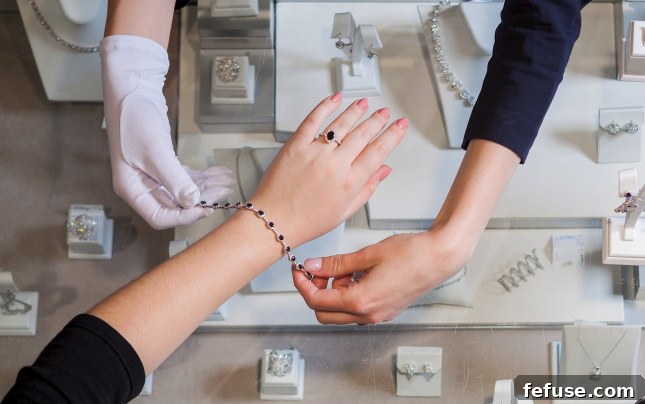
One of the most striking revelations from the holiday data was the notable 5.4 per cent year-on-year decrease in jewelry sales. This decline is particularly significant given that the holiday season is traditionally a peak period for luxury purchases, engagements, and celebratory gifts. Several converging factors likely contributed to this downturn. Foremost among these is the pervasive impact of inflation, which has compelled consumers to make difficult trade-offs and prioritize essential expenditures. In such an economic climate, high-ticket discretionary items like fine jewelry often become the first to be scaled back or foregone as shoppers stretch their gift-giving budgets. Consumers might have perceived jewelry as a less critical investment during uncertain times, opting instead for items with more immediate utility or those offering memorable experiences.
The luxury market, while often considered somewhat insulated, is not entirely immune to broader economic pressures. Even affluent consumers may become more circumspect with their spending, seeking greater value or shifting their focus to different forms of luxury. This trend suggests a potential re-evaluation of what constitutes a valuable gift, moving away from purely material wealth towards other forms of enrichment or personal expression. Jewelers and luxury retailers will need to carefully analyze these shifts, potentially adapting their offerings to resonate with a consumer base that is increasingly prioritizing conscious spending and perceived value.
The Experience Economy Flourishes: Restaurants See a 15.1% Boom
In stark contrast to the struggles of the jewelry sector, the restaurant industry enjoyed a substantial windfall, experiencing a remarkable 15.1 per cent increase in revenue compared to the previous year. This significant surge underscores a powerful and accelerating trend: the growing consumer preference for experiential spending. Following years of pandemic-related restrictions and a prolonged period of increased home-based activities, shoppers appear increasingly eager to invest in shared experiences, social gatherings, and the sheer convenience and pleasure of dining out. This trend aligns with a broader cultural shift where memories and personal connections are often valued above tangible possessions, especially during festive seasons.
Gifting experiences, such as restaurant vouchers, cooking classes, or simply treating loved ones to a memorable meal, has become a popular alternative to traditional material gifts. This reflects a desire for normalcy, connection, and perhaps a subtle rebellion against the accumulation of “stuff,” particularly when household budgets are strained by rising costs in other areas. The restaurant sector, therefore, emerged as a primary beneficiary of consumers looking to celebrate the holidays through engaging social interactions and enjoyable culinary adventures, proving that an investment in experience can be a powerful driver of spending.
Apparel’s Steady Rise and Electronics’ Retreat: Mixed Fortunes
Beyond luxury and dining, other key retail segments also demonstrated varying performances. Spending on clothes experienced a respectable 4.4 per cent rise, indicating a positive but more modest growth trajectory. This steady ascent suggests that while consumers might be more cautious with high-end luxury items, they remain willing to refresh their wardrobes or purchase clothing as practical and appreciated gifts. The return to offices, increased social events, and a general desire for newness post-pandemic likely contributed to this demand. Apparel often represents a more accessible and versatile gifting option compared to fine jewelry, offering a good balance of perceived value, utility, and fashion appeal.
Conversely, the electronics sector faced a decline, with sales down by 5.3 per cent. Several factors could explain this retreat. The initial phases of the pandemic witnessed an unprecedented surge in electronics purchases, driven by remote work, virtual learning, and in-home entertainment needs. This accelerated buying could have led to market saturation, reducing the immediate urgency for new devices. Furthermore, the high price point of many electronic gadgets makes them particularly susceptible to deferral during inflationary periods, as shoppers prioritize immediate necessities or less expensive gift alternatives. The relative lack of truly groundbreaking innovations in certain categories might also have played a role, offering fewer compelling reasons for consumers to upgrade their existing tech.
Inflation’s Lingering Impact: Shaping Consumer Strategies
The pervasive theme underlying these diverse spending patterns is, undoubtedly, inflation. As Steve Sadove, senior advisor for Mastercard, acutely observed, “Inflation altered the way US consumers approached their holiday shopping – from hunting for the best deals to making trade-offs that stretched gift-giving budgets.” This statement encapsulates the strategic decisions made by millions of Americans during the festive period. Consumers became savvier and more deliberate, meticulously searching for discounts, promotions, and value-for-money propositions. The traditional rush to purchase was tempered by a more considered approach, where every dollar spent was carefully weighed against its perceived benefit and the broader impact on overall household finances.
The emphasis on “trade-offs” is particularly insightful. This could manifest as choosing a less expensive gift option, opting for experiences over purely tangible goods, or even consolidating multiple smaller gifts into one significant purchase that offered better overall value. Retailers who demonstrated an understanding of this dynamic, by offering compelling deals, clear value propositions, or flexible payment options, likely garnered a larger share of the budget-conscious shopper. The importance of major promotional events like Black Friday and Cyber Monday was significantly amplified, transforming these periods into crucial battlegrounds for capturing consumer spending amid heightened economic awareness.
Understanding the Data Scope: A Comprehensive Look at Retail Activity
The insights drawn from the Mastercard SpendingPulse report are particularly robust due to their comprehensive scope. The data covers the critical holiday shopping window from November 1st to December 24th, capturing the vast majority of consumer activity leading up to Christmas Eve. By encompassing both in-store and online purchases across all payment types, the report provides a holistic and accurate snapshot of the modern omnichannel retail landscape. This broad methodological approach ensures that the data faithfully represents how consumers are engaging with retailers, whether through traditional brick-and-mortar stores, burgeoning e-commerce platforms, or a hybrid shopping experience that leverages both channels. This makes the findings highly indicative of prevailing consumer sentiment and purchasing patterns.
Forward-Looking Implications for Retailers and the Broader Economy
These holiday spending trends carry substantial implications for the retail sector and the broader economy in the coming year. Businesses, particularly those in the luxury goods segment like jewelry, will need to critically re-evaluate their strategies to adapt to evolving consumer priorities. This might involve exploring new product categories that resonate with a value-conscious yet discerning clientele, enhancing the overall customer experience, or focusing on unique value propositions that differentiate them from competitors. For thriving sectors like dining and apparel, the key will be to sustain and nurture this positive momentum, perhaps by further emphasizing experiential offerings, personalized services, or focusing on sustainable and quality products that promise long-term value.
The continued presence of inflation remains a pivotal factor. Retailers must anticipate that consumers will likely maintain their prudent spending habits, prioritizing value, searching for deals, and making purposeful purchases. This necessitates agile pricing strategies, efficient inventory management, and marketing campaigns that directly address the consumer’s need for both quality and affordability. The pronounced shift towards experiences over purely material goods also signals a broader cultural trend that businesses across various industries should monitor closely and integrate into their service offerings. As the economic environment continues to evolve, adaptability, a deep understanding of consumer psychology, and a commitment to delivering genuine value will be paramount for sustained success in the dynamic retail landscape.
In conclusion, the most recent holiday shopping season served as a powerful barometer of changing consumer dynamics in the US. While overall retail resilience was evident, the nuanced shifts from traditional luxury items to experiences and practical goods underscore the profound and multifaceted influence of inflation and evolving societal values. Retailers who can effectively navigate these new currents, offering a compelling blend of value, quality, and meaningful experiences, will be best positioned not only to survive but to thrive in the complex and challenging retail environment of the years ahead.