
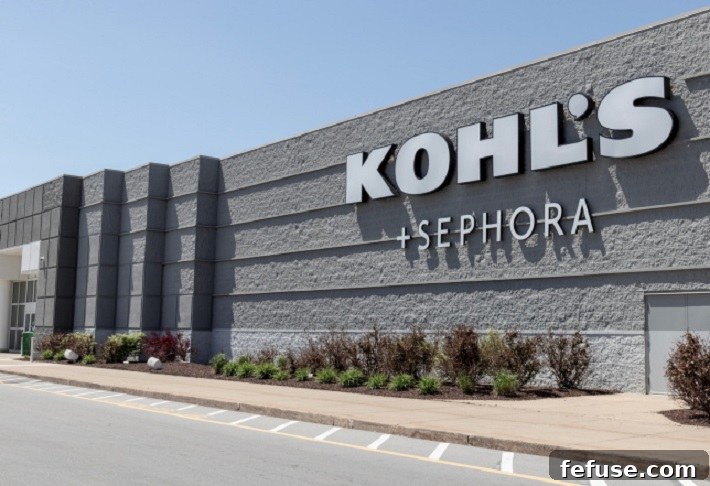
Kohl’s Pivots: Re-Embracing Jewelry as a Key Growth Driver Amidst Retail Shifts
In a significant strategic reversal, Kohl’s, the prominent US retail chain operating nearly 1,200 department stores, is making a concerted effort to significantly expand its jewelry offerings. This move marks a notable U-turn for the company, coming just three years after it deliberately scaled back its jewelry inventory and reallocated valuable store space to accommodate Sephora, the renowned cosmetics retailer.
The decision to re-prioritize jewelry comes on the heels of a challenging first-quarter earnings report, which revealed a net sales decline of 5.3 percent year-over-year, settling at $3.2 billion. This financial performance has evidently prompted a re-evaluation of Kohl’s product assortment strategy, with jewelry now identified as a critical area for potential growth and recovery.
The Strategic Reversal: Why Kohl’s is Rethinking Jewelry’s Role
Kohl’s CEO, Tom Kingsbury, candidly acknowledged the misstep in a recent earnings call, transcribed by The Motley Fool, stating, “Our jewelry business is a huge, huge opportunity for us. We’ve lost a lot of business with the Sephora rollout overall.” This admission highlights a direct correlation between the previous strategic shift and the subsequent decline in a historically strong category for the department store.
Kingsbury elaborated on the oversight: “Over the past two years, as we made space for Sephora in our stores, we did not do a good job of retaining our jewelry sales, which have been on a consistent sales decline.” This statement underscores a critical lesson learned: while strategic partnerships like the one with Sephora can drive new traffic and revenue streams, they must not come at the expense of established and profitable categories without careful planning and execution.
The company now recognizes the inherent value and enduring appeal of jewelry to its customer base. “We know there is still an opportunity to offer jewelry to our customers, especially during key events and holidays in the year,” Kingsbury affirmed. This insight points to the evergreen demand for jewelry as a gift, a personal indulgence, and a staple for special occasions, positioning it as a resilient category even in fluctuating economic climates.
To capitalize on this identified opportunity, Kohl’s is actively working to re-establish its presence in the jewelry market. The strategy includes a multi-faceted approach: “expanding our in-store assortment and improving its in-store positioning by placing it near Sephora.” This thoughtful placement aims to leverage the foot traffic generated by Sephora, encouraging cross-shopping and impulse purchases of complementary items like jewelry.
The Sephora Conundrum: A Double-Edged Sword for Retail Space
The original decision to shrink Kohl’s jewelry offering stemmed from a broader strategic vision laid out by Kingsbury’s predecessor, Michelle Gass, in October 2020. At that time, the company aimed to free up valuable retail square footage by reducing inventory in categories like fine jewelry, handbags, and men’s suits. The goal was to “lean into growth categories, test, learn, iterate—kill what’s not working, scale what is,” as Gass articulated.
While the Sephora partnership has undeniably been a success in attracting a younger, beauty-focused demographic to Kohl’s stores, it appears the execution of managing other categories alongside it was flawed. The department store environment thrives on offering a diverse range of products to cater to varied customer needs and shopping missions. Neglecting a core category like jewelry, even in pursuit of new growth, proved to be a significant miscalculation, leading to a substantial loss of sales that Kohl’s now seeks to reclaim.
This situation highlights a common challenge in retail: balancing innovation and new ventures with the preservation and optimization of existing, reliable revenue streams. The appeal of Sephora’s prestige beauty products certainly drew shoppers, but many existing Kohl’s customers who valued the jewelry selection found themselves with fewer options, potentially leading them to competitor stores.
Unpacking the New Vision: Tom Kingsbury’s Plan for Jewelry Revival
Kohl’s revamped strategy for jewelry is not merely about bringing back old stock; it’s about a thoughtful and deliberate re-engagement with the category. The plan to “expand our in-store assortment” implies a careful curation of new pieces that resonate with current consumer tastes and preferences. This could include a broader range of price points, from accessible fashion jewelry to more significant fine jewelry pieces, catering to different budgets and occasions.
Furthermore, “improving its in-store positioning by placing it near Sephora” is a shrewd move. This strategic co-location aims to create a cohesive shopping experience where beauty and accessories complement each other. A customer buying cosmetics might also be in the market for a new necklace, earrings, or a gift for a loved one. This synergy can transform a single-purpose visit into a multi-category shopping spree, boosting overall basket size and customer satisfaction.
The revitalization of Kohl’s jewelry department could also involve enhanced visual merchandising, better lighting, and more dedicated sales associates to provide specialized assistance. An elevated in-store experience is crucial for jewelry sales, as customers often appreciate the opportunity to see, touch, and try on pieces before making a purchase. Investing in these aspects can significantly differentiate Kohl’s from online-only retailers.
Maximizing Opportunity: Key Events and Holiday Sales
The emphasis on “key events and holidays in the year” for jewelry sales is particularly pertinent. Holidays such as Valentine’s Day, Mother’s Day, graduations, and the entire festive season from Black Friday through Christmas are traditionally peak periods for jewelry gifting. By bolstering its inventory and marketing efforts around these times, Kohl’s can effectively capture a significant share of the lucrative holiday shopping market.
This focus aligns with consumer behavior patterns, where jewelry often ranks high on gift lists for meaningful occasions. Kohl’s, with its extensive store footprint and established customer base, is well-positioned to serve this demand. The challenge will be to offer a compelling selection that stands out in a crowded market, ensuring that customers choose Kohl’s over specialty jewelers or other department stores.
The Broader Retail Landscape: Kohl’s in Context
Kohl’s strategic pivot on jewelry also reflects broader trends and challenges within the retail sector, particularly for traditional department stores. Facing intense competition from e-commerce giants, specialty retailers, and discount stores, department stores must constantly innovate and optimize their product mix to remain relevant and profitable. The pursuit of growth through new partnerships like Sephora is vital, but so is the careful management of legacy categories that contribute to the overall brand identity and profitability.
The department store model relies on offering a “one-stop shop” experience, providing variety across multiple categories. When one category is diminished, it can disrupt this ecosystem and potentially lead customers to seek alternatives elsewhere. Reinvesting in jewelry signifies an understanding of this fundamental principle and a commitment to restoring a comprehensive shopping experience for Kohl’s loyal customers.
Crafting a Compelling Jewelry Offering for Today’s Consumer
For this jewelry turnaround to succeed, Kohl’s will need to carefully consider the types of jewelry to expand. Contemporary consumers often seek a blend of value, quality, and style. This could involve an increased focus on:
- Affordable Fashion Jewelry: Trendy pieces that allow customers to update their looks without a significant investment.
- Everyday Fine Jewelry: Delicate, classic pieces made with precious metals and stones that offer lasting value.
- Personalized Options: Initials, birthstones, or engravable items that resonate with the desire for individuality.
- Sustainable and Ethical Choices: As consumer awareness grows, highlighting responsibly sourced materials could be a differentiator.
- Branded Collections: Collaborations with popular designers or brands that appeal to Kohl’s target demographic.
By curating a thoughtful and diverse selection, Kohl’s can appeal to a wide array of shoppers, from those seeking a quick accessory update to customers looking for a timeless gift.
Executing the Turnaround: Challenges and Success Factors
The success of Kohl’s renewed jewelry strategy will hinge on meticulous execution. Key factors will include:
- Inventory Management: Ensuring the right products are in stock at the right time, especially for seasonal demand.
- Marketing and Promotion: Effectively communicating the expanded offering to customers through in-store signage, digital campaigns, and targeted promotions.
- Staff Training: Equipping sales associates with product knowledge and sales skills specific to jewelry.
- Supply Chain Efficiency: Building strong relationships with suppliers to ensure a consistent and quality supply.
- Customer Feedback Integration: Continuously monitoring sales data and customer preferences to refine the assortment.
Long-Term Implications for Kohl’s
This strategic pivot towards re-emphasizing jewelry is more than just a course correction for a single product category; it represents a broader effort by Kohl’s to solidify its position in a dynamic retail landscape. By acknowledging past missteps and actively working to rebuild a neglected, yet profitable, segment of its business, Kohl’s demonstrates a commitment to adapting and responding to both market realities and customer needs.
Should this jewelry expansion prove successful, it could provide a much-needed boost to Kohl’s overall sales performance, enhance customer loyalty, and contribute positively to the company’s long-term financial health. It also sends a clear message that Kohl’s is willing to evolve its strategy and invest in areas that offer genuine growth potential, even if it means reversing prior decisions.
In conclusion, Kohl’s journey back to a robust jewelry offering is a testament to the fluid nature of retail strategy. It underscores the importance of a balanced approach to product assortment, ensuring that new initiatives complement rather than cannibalize established categories. As Kohl’s works to re-establish its shine in the jewelry market, the industry will be watching to see if this strategic reversal paves the way for a brighter future for the venerable department store chain.