
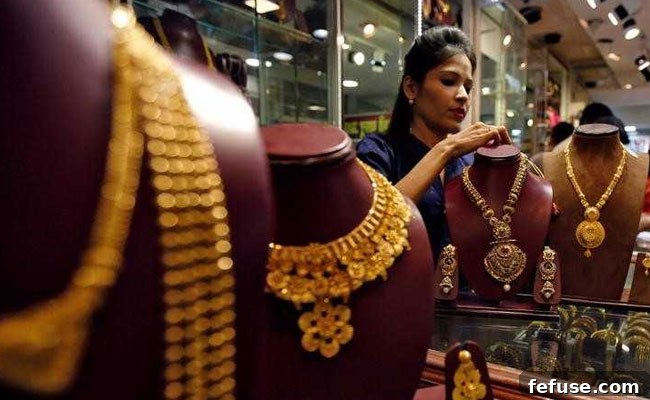
Indian Jewelers Gear Up for Dhanteras: Discounts and Improved Sentiment Drive Festive Gold Sales
As the auspicious festival of Dhanteras approaches, the Indian jewelry market is buzzing with renewed activity and cautious optimism. Following a period of subdued sales during Dusshera, jewelers across the nation are strategically rolling out an array of attractive discounts and enticing freebies, all designed to captivate buyers and rekindle the festive spirit of gold and silver acquisition. This pivotal occasion, which traditionally heralds the commencement of the immensely popular five-day Hindu festival of Diwali, is revered as an exceptionally propitious time for making significant purchases, particularly new utensils, and most notably, gold and silver. Market watchers are closely monitoring the landscape, unanimously forecasting a characteristic surge in gold buying during this period, a trend that remains undeterred despite recent market fluctuations.
The sentiment in the jewelry sector has demonstrably improved, a welcome change after a challenging Dusshera season. Sales during Dusshera had faced significant headwinds, primarily due to a government regulation that mandated jewelers to meticulously record the Permanent Account Number (PAN) details of customers for transactions exceeding Rs. 50,000. This regulation, intended to enhance financial transparency and curb illicit transactions, inadvertently created a deterrent for many potential buyers, leading to a noticeable dip in purchasing activity. However, the subsequent and timely withdrawal of this specific notification has undeniably infused a renewed sense of confidence and positivity into the market, paving the way for a potentially robust Dhanteras.
The Auspicious Dawn of Dhanteras: A Cultural and Economic Phenomenon
Dhanteras, also known as Dhantrayodashi, is far more than just a day for shopping; it is deeply embedded in the cultural and spiritual fabric of India. Celebrated two days before Diwali, it marks the first day of the festival. The word “Dhan” literally means wealth, and “teras” refers to the thirteenth day of the Krishna Paksha (dark fortnight) in the Hindu calendar month of Kartik. It is believed that on this day, the goddess Lakshmi, the deity of wealth and prosperity, emerged from the Samudra Manthan (the churning of the cosmic ocean). Consequently, purchasing gold, silver, or new utensils on Dhanteras is considered highly auspicious, believed to invite prosperity, good fortune, and well-being into the home. Families across the nation engage in these time-honored traditions, seeing these acquisitions not just as material goods but as investments in their future and symbols of prosperity.
The cultural significance of Dhanteras translates directly into a massive economic impetus for the jewelry sector. Gold, in particular, holds a unique position in Indian society, revered not only as an ornament but also as a secure investment, a status symbol, and an essential part of religious rituals and family heirlooms. The collective belief in its auspiciousness during Dhanteras transforms this single day into one of the most crucial sales periods for jewelers, often dictating a significant portion of their annual revenue. This deep-rooted tradition ensures a steady and predictable demand for precious metals, making the festival an annual barometer for consumer confidence and economic health within the country.
Navigating the Recent Regulatory Labyrinth: From PAN Mandate to PMLA Withdrawal
The Indian jewelry market, like many other sectors, has recently experienced a series of regulatory adjustments that have significantly influenced consumer behavior and market dynamics. The temporary imposition of a mandatory PAN card declaration for gold transactions above Rs. 50,000 during the Dusshera period proved to be a critical turning point. While the government’s intention behind this regulation was to enhance transparency, curb black money, and prevent money laundering, it inadvertently created apprehension among buyers. Many consumers, particularly those from smaller towns or those accustomed to simpler transaction processes, found the requirement cumbersome or perceived it as an invasion of privacy, leading them to defer or altogether cancel their planned purchases.
However, a major relief swept through the industry with the government’s subsequent decision to withdraw the Prevention of Money Laundering Act (PMLA) notification that had brought jewelers under its ambit for certain transactions. Harshad Ajmera, proprietor of JJ Gold House, a prominent wholesaler based in the eastern Indian city of Kolkata, affirmed this positive shift, stating, “Investor sentiment has improved since the government withdrew the Prevention of the Money Laundering Act (PMLA) notification.” He further highlighted the immediate impact on the supply chain, noting, “Jewellers are increasing purchases expecting healthy retail demand during Diwali.” This withdrawal was instrumental in restoring consumer confidence and easing the operational burden on jewelers, setting the stage for a more optimistic festive season.
Market Rebound and Cautious Optimism
The improved market sentiment, largely catalyzed by the withdrawal of the PMLA notification, quickly translated into a tangible recovery in bullion prices. On October 14, anticipatory buying from local jewelers, who began stocking up in expectation of a surge in retail demand, led to gold prices recovering by Rs. 50, reaching Rs. 30,850 per ten grams at the bullion market. Silver also witnessed a notable climb, gaining Rs. 300 to settle at Rs. 41,500 per kg. This uptick in silver prices was attributed not only to the general festive fervor but also to increased offtake by industrial units and coin makers, signaling broader economic activity and demand for the precious metal.
Despite these positive indicators, industry leaders maintain a stance of cautious optimism. Saurabh Gadgil, the esteemed Director of the India Bullion and Jewellers Association (IBJA) and also the Chairman and Managing Director of PNG Jewellers, articulated this nuanced perspective. While acknowledging the improving market sentiment, Gadgil noted, “the market sentiment is improving but it has not yet become buoyant.” He further expressed a pragmatic outlook for the festive season, adding, “If the overall business remains same as the last year or goes marginally up by 5 per cent, we will be very happy.” This statement underscores the delicate balance between the recent positive regulatory changes and the lingering economic realities that continue to influence consumer behavior. The industry, while hopeful, is tempering its expectations, prioritizing stability and modest growth.
Economic Headwinds and Consumer Hesitation: A Deeper Look
Beyond the regulatory relief, jewelers are keenly aware of a confluence of other factors that could potentially temper festive spending. A sluggish economy, characterized by slower growth and reduced disposable incomes, remains a primary concern. This economic slowdown often translates into consumers tightening their belts, prioritizing essential expenditures over luxury items like jewelry. Furthermore, the postponement of salaries and the distribution of lesser bonuses, particularly in various corporate and public sectors, directly impact the purchasing power of a significant segment of potential buyers. With less discretionary income available, even traditional festive spending on gold and silver might be curtailed.
Adding another layer of complexity is the lingering confusion surrounding the initial implementation of the Goods and Services Tax (GST). Although GST aims to streamline India’s indirect tax structure, its early phases often led to misunderstandings and uncertainties among both traders and consumers. This period of adjustment created a sense of hesitancy, as buyers were unsure about the final prices and tax implications of their purchases. Such ambiguities can make consumers wary, leading them to postpone significant investments until there is greater clarity. Echoing these concerns, Nitin Khandelwal, Chairman of the All India Gems and Jewellery Trade Federation (GJF), acknowledged the relief brought by the government’s decision on the PMLA. However, he also pointed out that “due to less currency in the market the overall sentiment is dull.” This remark likely alludes to the lingering effects of demonetization and a general liquidity crunch, which continue to impact cash-intensive sectors like jewelry. Khandelwal concluded by telling Press Trust of India (PTI) that business this year is expected to be at par with last year or could even be lower, highlighting the persistent challenges despite recent positive developments.
Jewelers’ Strategic Response: Luring Buyers with Festive Incentives
In response to these multifaceted challenges and to maximize the potential of the Dhanteras and Diwali festive season, jewelers are implementing aggressive and innovative promotional strategies. Market experts confirm that an extensive array of discounts and attractive freebies has been meticulously lined up to entice buyers. These incentives range from significant reductions in ‘making charges’ on gold jewelry, which can substantially lower the final price, to flat percentage discounts on diamond and precious stone jewelry. Many jewelers are also offering complimentary gifts, such as silver coins, small gold articles, or even gift vouchers with every significant purchase, adding perceived value for the customer.
Beyond price-based incentives, jewelers are also focusing on enhanced customer experience and flexible payment options. This includes offering easy installment plans, favorable exchange policies for old gold, and personalized consultations to help customers make informed choices. Extensive marketing campaigns, leveraging both traditional media and digital platforms, are being rolled out to highlight these offers and reignite the emotional connection consumers have with gold and festive buying. By creating compelling value propositions and fostering a sense of celebration, jewelers aim to overcome existing hesitations and encourage robust footfalls and sales during this crucial period. The competition is fierce, and each jeweler is striving to differentiate their offerings to capture a larger share of the festive market.
Government Initiatives: The Sovereign Gold Bond Alternative
Amidst the traditional fervor for physical gold, the government has also been actively promoting alternative investment avenues, most notably the Sovereign Gold Bond (SGB) scheme. This initiative offers investors an opportunity to invest in gold without the need to hold physical gold, thereby eliminating concerns related to storage, purity, and security. The government recently fixed the purchase price for its latest tranche of the Sovereign Gold Bond at Rs. 2,987 per gram, making it an attractive proposition for those looking to invest in gold digitally. The scheme was scheduled to be open for subscription on October 16, just a few days prior to the Dhanteras festival, strategically positioning it as an accessible option for festive gold accumulation.
SGBs come with several benefits that appeal to modern investors: they accrue interest annually, are exempt from Capital Gains Tax upon maturity, and are sovereign-backed, ensuring security. While not directly competing with the emotional and traditional appeal of physical jewelry bought during Dhanteras, SGBs offer a viable investment alternative for those primarily looking for exposure to gold prices. This government-backed scheme represents an evolving landscape in gold investment, providing a regulated and convenient method to participate in the gold market, thereby contributing to the broader financial ecosystem around precious metals in India.
The Road Ahead for the Indian Jewelry Market
The upcoming Dhanteras and Diwali season is poised to be a significant test for the Indian jewelry market, showcasing its resilience and adaptability in the face of varying economic and regulatory tides. The blend of improving sentiment due to PMLA withdrawal and aggressive promotional strategies from jewelers presents a hopeful outlook. However, the underlying challenges of a sluggish economy, reduced disposable incomes, and the lingering impacts of regulatory changes mean that the market’s recovery may be gradual rather than explosive. The industry’s ability to navigate these complexities, coupled with the enduring cultural significance of gold in India, will determine the ultimate success of this festive season.
Ultimately, the timeless tradition of buying gold and silver during Dhanteras continues to hold immense power over consumer decisions in India. Despite economic fluctuations and policy adjustments, the emotional and intrinsic value attached to these precious metals ensures their perpetual demand. The performance of the jewelry sector during this period will not only reflect consumer confidence but also provide crucial insights into the broader health of the Indian economy. As jewelers roll out their best offers, the anticipation for a sparkling Dhanteras remains high, with the industry collectively hoping for a season that brings both prosperity to businesses and joy to millions of households across the nation.