
Richemont’s Q3 2017 Triumph: A Deep Dive into Luxury Market Dominance
In the vibrant and often challenging landscape of global luxury, leading conglomerate Richemont demonstrated remarkable resilience and strategic acumen, reporting a solid 7 percent year-on-year growth in sales for the third quarter, which concluded on December 31, 2017. This impressive performance underscored the enduring appeal of its premium portfolio and its effective market strategies, particularly during the crucial holiday shopping season. The robust increase in sales was primarily fueled by the exceptional contributions of the company’s high-end jewellery maisons and its prestigious special watch segments, reinforcing their status as core pillars of Richemont’s sprawling empire.
The financial results from this period painted a clear picture of strong consumer demand for luxury goods, especially those at the very top tier of craftsmanship and design. Richemont, a Swiss-based company renowned for its ownership of some of the world’s most iconic luxury brands, skillfully navigated diverse global markets to achieve this significant growth, reflecting positively on its brand management and retail execution capabilities. The momentum generated in Q3 2017 set a strong precedent for the luxury sector, highlighting areas of particular strength and potential for further expansion.
Unpacking the Robust Sales Growth: A Closer Look at Key Drivers
A deeper examination of Richemont’s Q3 2017 figures reveals that while overall sales growth stood at a commendable 7 percent, the retail channel truly shone, maintaining an exceptionally strong momentum. Richemont explicitly stated, “Retail sales maintained strong momentum, recording double-digit growth of 13 percent, underpinned by solid performances from the jewellery maisons and specialist watchmakers.” This double-digit increase in retail sales is particularly significant. It suggests that Richemont’s strategy of investing in its direct-to-consumer channels, including its exclusive boutiques and online platforms, is yielding substantial dividends. Direct retail allows luxury brands greater control over brand presentation, customer experience, and pricing, often leading to higher margins and stronger brand loyalty.
Retail’s Dominance: A Testament to Brand Strength and Customer Engagement
The 13 percent growth in retail sales not only exceeded the overall sales growth but also signaled a crucial shift in consumer purchasing habits within the luxury segment. Consumers increasingly seek immersive brand experiences and direct engagement with the marques they admire. Richemont’s network of elegant boutiques and its evolving digital presence are clearly resonating with this desire, providing a luxurious and seamless shopping journey. This strong retail performance demonstrates the health and desirability of Richemont’s individual brands and their ability to attract and retain high-net-worth clientele across various geographies. It underscores the importance of a robust retail footprint in consolidating market leadership and fostering a deeper connection with the luxury consumer.
The Pillars of Prosperity: Jewellery Maisons and Specialist Watchmakers Leading the Charge
The true engines behind Richemont’s impressive Q3 2017 performance were undeniably its jewellery maisons and specialist watchmakers. The company explicitly noted, “The jewellery maisons delivered the strongest sales progression, with an 11 percent increase reflecting strength in the retail channel.” This substantial growth within the jewellery segment highlights the enduring allure of precious gems and exquisite designs. Luxury jewellery often represents significant emotional value and serves as a timeless investment, making it a resilient category even in fluctuating economic climates.
Cartier, Van Cleef & Arpels: Shimmering Success in High-End Jewellery
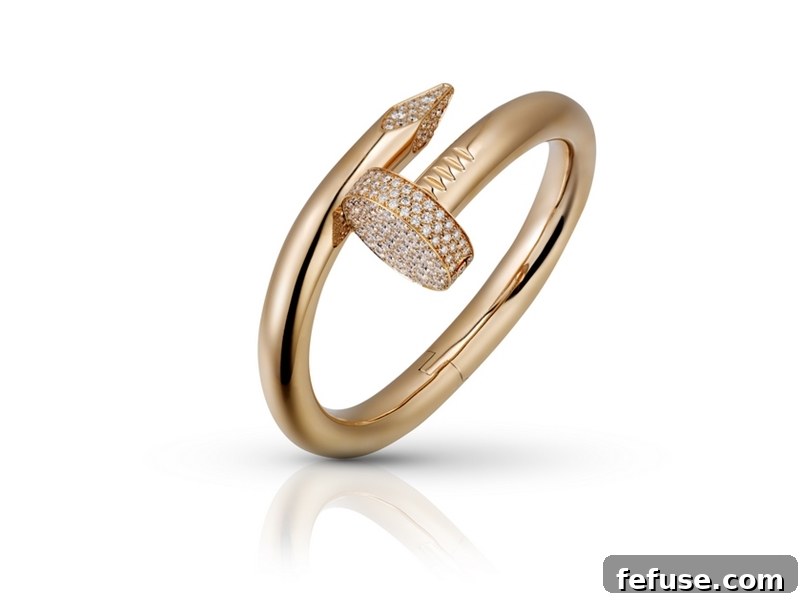
Richemont’s unparalleled portfolio of jewellery brands includes titans like Cartier and Van Cleef & Arpels, alongside other distinguished names such as GIampiero Bodino. Cartier, with its iconic designs like the Love bracelet and Tank watch, and Van Cleef & Arpels, celebrated for its Alhambra motif and poetic artistry, consistently command global attention and admiration. Their ability to deliver an 11 percent sales increase, especially through the retail channel, speaks volumes about their brand strength, innovative collections, and their capacity to captivate luxury consumers worldwide. These maisons excel at crafting not just products, but legacies, ensuring sustained demand for their unique creations.
Precision and Prestige: The Enduring Appeal of Richemont’s Watchmakers
Complementing the stellar performance of the jewellery segment, Richemont’s specialist watchmakers also played a pivotal role in the conglomerate’s Q3 success. The group boasts an enviable roster of horological masterpieces, including A. Lange & Söhne, Baume & Mercier, IWC Schaffhausen, Jaeger-LeCoultre, Officine Panerai, Piaget, Roger Dubuis, and Vacheron Constantin. These brands represent the pinnacle of Swiss watchmaking, renowned for their intricate movements, heritage, and innovative designs. The strong demand for these luxury timepieces, often considered heirlooms and status symbols, reflects a robust market for high-end horology, where craftsmanship, exclusivity, and tradition are highly valued by discerning collectors and enthusiasts.
Global Footprint: A Regional Breakdown of Richemont’s Triumph
Richemont’s strategic geographical diversification proved instrumental in its Q3 2017 success, with specific regions acting as powerful growth engines while others presented unique challenges.
Asia Pacific: The Engine of Double-Digit Expansion in the Luxury Market
The Asia Pacific region emerged as a powerhouse for Richemont, delivering impressive double-digit growth. This significant surge was primarily driven by robust performances in key markets such as mainland China, Korea, Hong Kong, and Macau. Richemont explicitly stated, “The performances of the jewellery maisons and specialist watchmakers were particularly noteworthy in this region.” The burgeoning middle and affluent classes in these countries, coupled with a strong cultural appreciation for luxury goods as symbols of status and achievement, fueled this demand. China, in particular, continued its trajectory as a critical growth market for luxury, with increasing disposable incomes and a growing appetite for high-end fashion, jewellery, and watches. The gifting culture prevalent in many Asian societies also contributes significantly to the sustained demand for luxury items during peak seasons like the year-end holidays.
The Americas: Consistent Growth Driven by Exquisite Jewellery
Across the Atlantic, the Americas region contributed an encouraging 8 percent growth in sales. This healthy increase was primarily attributed to the strong performance of Richemont’s jewellery maisons. A stable economic environment and confident consumer spending in markets like the United States underpinned this growth. American consumers have a long-standing appreciation for luxury jewellery, whether for personal adornment, celebrations, or as investment pieces. The appeal of iconic brands like Cartier and Van Cleef & Arpels resonated strongly, indicating a healthy and receptive market for high-quality, aspirational jewellery collections.
Japan: Craftsmanship, Currency, and Consumer Loyalty Drive 5% Rise
Japan, a market known for its sophisticated luxury consumers and deep appreciation for craftsmanship, registered a 5 percent rise in sales for Richemont. This growth was largely supported by the robust performance of the specialist watchmakers, coupled with a favourable currency environment. Japanese consumers have a profound respect for the intricate engineering and heritage associated with high-end timepieces. The perceived value and investment potential of luxury watches continue to attract buyers. Additionally, a strong yen made luxury goods more attractive to domestic consumers, further bolstering sales for Richemont’s esteemed watch brands.
Middle East & Africa: Emerging Markets and Economic Tailwinds Propel 11% Growth
The Middle East and Africa region demonstrated significant potential, with sales rising by an impressive 11 percent. This substantial growth was buoyed by several positive economic indicators, including a stable currency market and the internalisation of external points of sale. Furthermore, the anticipated introduction of a value-added tax (VAT) in the UAE prompted an acceleration of purchases before its implementation, contributing to the strong Q3 figures. The region’s growing wealth, coupled with a strong cultural emphasis on luxury consumption, positions it as an increasingly important market for Richemont, particularly for high-value items like jewellery and watches.
Europe: Navigating Currency Headwinds and Market Shifts Results in 1% Decline
In contrast to the buoyant performances elsewhere, Europe faced headwinds, resulting in a 1 percent decline in sales. Richemont explained that the strength of the euro played a significant role, making luxury goods more expensive for international tourists and consumers purchasing in non-euro currencies. Additionally, challenging comparatives in the United Kingdom, likely influenced by post-Brexit referendum economic uncertainties and shifts in consumer confidence, weighed on sales. Despite these challenges, Europe remains a crucial market for luxury, being the home base for many high-end brands and a significant tourist destination. The slight decline indicates the sensitivity of luxury sales to macroeconomic factors and currency fluctuations, even for established players like Richemont.
Strategic Implications and Future Outlook for Richemont
Richemont’s Q3 2017 results provided valuable insights into the dynamics of the global luxury market. The strong performance of its jewellery maisons and specialist watchmakers reaffirms the enduring appeal of these core segments. The emphasis on direct retail channels is a shrewd strategic move, allowing for greater brand control and customer intimacy. The geographical breakdown highlights the importance of diversified market penetration, with Asia Pacific continuing to lead growth, while emerging markets like the Middle East offer promising expansion opportunities. The challenges faced in Europe underscore the need for agility in navigating currency volatility and regional economic shifts.
Moving forward, Richemont is likely to continue its focus on strengthening its iconic brands, investing in innovative product development, and enhancing its omni-channel retail strategy to integrate its physical boutiques with a robust digital presence. The luxury group’s ability to adapt to evolving consumer preferences and global economic conditions will be paramount to sustaining its leadership position in the fiercely competitive luxury industry.
Conclusion: Richemont’s Resilient Performance in a Dynamic Luxury Landscape
In conclusion, Richemont’s Q3 2017 sales report presented a narrative of robust growth and strategic success, with a 7 percent overall increase propelled by the stellar performances of its jewellery and specialist watch brands. The impressive 13 percent rise in retail sales highlighted the effectiveness of its direct-to-consumer approach and the inherent strength of its coveted marques. While Asia Pacific and the Middle East acted as powerful engines of expansion, the minor dip in Europe served as a reminder of the nuanced challenges within the global luxury market. Richemont’s capacity to deliver such strong results during a critical period underscores its deep understanding of luxury consumer desires, its commitment to unparalleled craftsmanship, and its agile strategic execution, positioning it favorably for continued success in the dynamic world of high-end goods.