
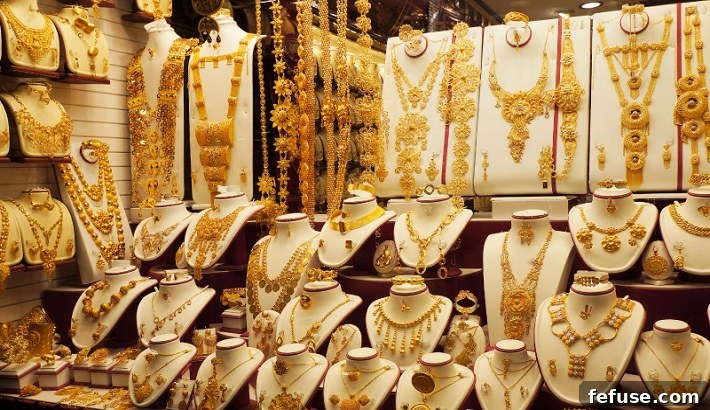
Akshaya Tritiya: India’s Jewellers Anticipate a Golden Surge in Sales
As Akshaya Tritiya approaches on May 7th, the Indian jewellery market is buzzing with optimism. Jewellers across the nation are projecting a substantial increase in sales, with many anticipating a rise of 10% to 30% compared to the previous year. This positive outlook is fueled by a sustained uptrend in sales, which began notably with Gudi Padwa, signaling robust consumer buying sentiment. The demand isn’t confined to a specific category; both small and big-ticket items are seeing significant interest, with a particular spotlight on diamond jewellery, indicating a maturing and diversifying market.
Understanding the Akshaya Tritiya Phenomenon
Akshaya Tritiya holds immense cultural and spiritual significance in India, traditionally regarded as an exceptionally auspicious day for new beginnings, investments, and purchasing precious metals, especially gold. The word “Akshaya” itself means “never diminishing,” making it an ideal day for acquiring wealth that is believed to multiply and bring prosperity. This deep-rooted belief translates into a nationwide surge in gold and diamond purchases, making it one of the most crucial periods for the Indian jewellery industry. Families often plan their significant jewellery purchases, whether for weddings, gifts, or investment, around this propitious date, driving consistently high sales volumes year after year.
Expert Projections and Market Confidence
Industry leaders are vocal about their positive expectations. Aditya Pethe, director of WHP Jewellers, a prominent name with showrooms across Maharashtra, Goa, and Indore, shared his insights: “We are anticipating a good demand this Akshaya Tritiya with an expected increase of 5-10% in sales this year. As the gold prices have increased, we feel it will reinstate the consumer’s faith into the category, viewing gold as a reliable investment. Gold Earrings, Necklaces, and Bangles in lightweight contemporary settings will continue to be the bestsellers, reflecting a preference for modern designs combined with traditional value.” This sentiment underscores a common industry belief that rising gold prices, far from deterring buyers, often reinforce gold’s appeal as a secure investment, particularly during auspicious times.
Further amplifying the optimistic projections, the founder of ANMOL, a renowned jewellery brand, highlighted their strategic approach to this festive season. “We would be concluding our 33rd Anniversary sale on Akshaya Tritiya & would be offering great deals on diamond and gold jewellery which will give an additional boost to Akshaya Tritiya sales. We are expecting a 25-30% increase in sales this year on Akshaya Tritiya as compared to last year.” Such aggressive marketing and promotional activities are typical during this period, as jewellers vie to capture the heightened consumer interest, often coupling traditional auspiciousness with attractive discounts and exclusive collections. The substantial projected increase from ANMOL suggests strong underlying demand and effective engagement strategies.
The Crucial Role of Rural Demand
A significant driver of the anticipated sales boom, particularly for rural gold demand, is expected to come from India’s rural heartland. Tanya Rastogi, director of Lala Jugal Kishore Jewellers, a name synonymous with traditional craftsmanship, elaborated on this trend: “We are expecting a good Akshaya Tritiya especially from the rural sector which accounts for a sizeable percentage of sales. The welfare schemes targeted by the government for the farmers ahead of elections boosts the rural income which they tend to convert to gold. This strategic investment in gold, often seen as a tangible asset and a hedge against inflation, is a deeply ingrained cultural practice in rural communities.” She further added, “We also have a good wedding season this summer so we are expecting a strong Akshaya Tritiya.” The confluence of increased agricultural income, government support, and the ongoing wedding season forms a potent combination, ensuring a robust flow of customers from rural areas to jewellery stores. This segment often prefers gold for its intrinsic value, traditional appeal, and ease of liquidity, making it a cornerstone of Akshaya Tritiya sales.
Navigating Challenges and Evolving Preferences
While the overall sentiment is overwhelmingly positive, some jewellers anticipate a more measured growth. Vaibhav Saraf, director of Aisshpra Gems & Jewels, expressed a nuanced perspective, expecting a nominal growth in sales during Akshaya Tritiya. His concerns stem from potential disruptions caused by the model code of conduct currently in place, which can sometimes hamper the smooth movement of goods and influence consumer behavior. “We are expecting major conversions from gold to diamond jewellery,” Saraf stated. This insight points to an evolving consumer landscape where diamond jewellery is increasingly gaining traction, not just as a fashion statement but also as a significant purchase for auspicious occasions. This shift signifies a growing sophistication in the Indian market, where buyers are exploring options beyond traditional gold, driven by modern aesthetics and perhaps a desire for diversification in their precious asset portfolios.
The increasing preference for diamonds also highlights a broader trend where consumers are seeking pieces that blend traditional value with contemporary design. Lightweight gold jewellery, as mentioned by Aditya Pethe, fits this niche perfectly, offering affordability and versatility for daily wear while retaining the auspiciousness of gold. The demand for “contemporary settings” suggests that customers are looking for modern designs that resonate with current fashion trends, moving away from purely traditional, heavy pieces. This adaptability in design and product offerings is key for jewellers to thrive in a dynamic market.
Beyond Sales: Investment and Cultural Resonance
Akshaya Tritiya is not just about immediate sales figures; it also reinforces gold’s enduring status as a preferred investment asset in India. The belief that buying gold on this day brings prosperity often transcends pure economic rationale, intertwining with cultural identity and a sense of security. This makes the Indian gold market unique, with demand often remaining strong even amidst price fluctuations. The festive season and cultural observances like Akshaya Tritiya act as powerful catalysts, translating latent demand into actual purchases. Jewellers, therefore, strategically align their marketing and inventory management to cater to both the investment-driven and the fashion-conscious buyer, offering a wide array of choices from traditional sovereign gold coins to intricate designer pieces.
Conclusion: A Bright Outlook for India’s Jewellery Market
In conclusion, Akshaya Tritiya 2024 is set to be a period of significant growth for India’s jewellery sector. Propelled by strong consumer sentiment, the auspicious nature of the day, a robust rural economy, and strategic promotional efforts by jewellers, the market is poised for an impressive surge in sales. While some challenges like the model code of conduct may present minor headwinds, the overall picture is overwhelmingly positive. The increasing appeal of diamond jewellery alongside traditional gold, coupled with a preference for lightweight and contemporary designs, indicates a vibrant and evolving market. This Akshaya Tritiya, consumers are not just buying jewellery; they are investing in culture, prosperity, and timeless elegance, solidifying India’s position as a global leader in the precious metals and jewellery industry. The industry’s proactive approach in catering to diverse preferences and leveraging cultural significance ensures that the sparkle of Akshaya Tritiya will continue to illuminate the market for years to come.