
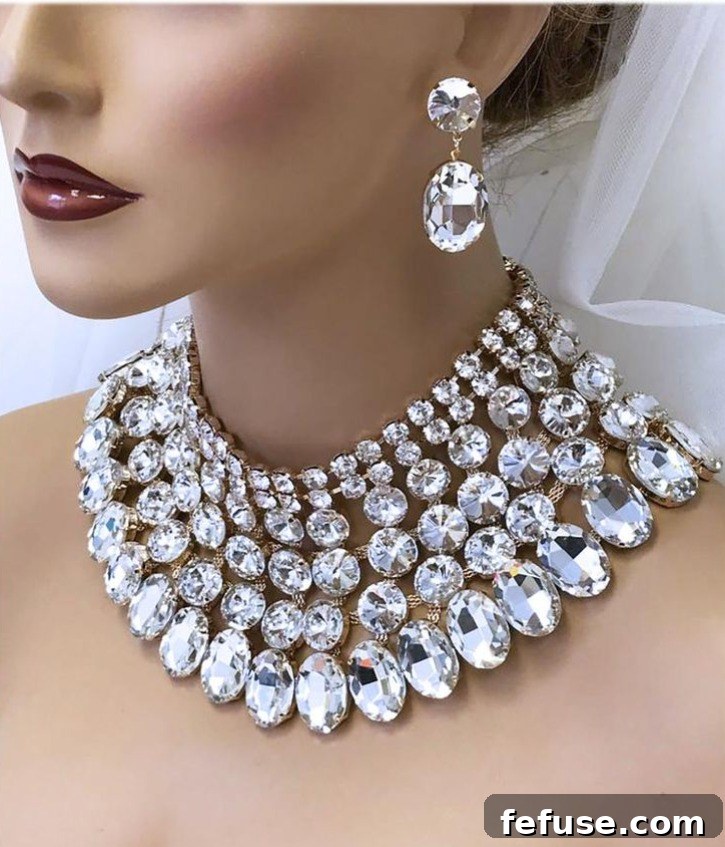
A diamond ring isn’t just a piece of jewelry; it’s a profound emblem of enduring love, deep commitment, and timeless elegance. For many, the journey to find the perfect diamond ring marks a significant milestone – be it for an engagement, a wedding anniversary, or a cherished personal indulgence. However, navigating the intricate world of diamonds can feel daunting, given the myriad of factors to consider: from the diamond’s inherent quality and dazzling setting to the crucial aspect of its certification.
This comprehensive guide is meticulously crafted to demystify the diamond buying process, transforming what might seem like an overwhelming task into an enjoyable and informed decision. We will meticulously walk you through every essential step, empowering you to confidently select a diamond ring that not only aligns perfectly with your budget and personal style but also embodies the sentimental value you seek. Prepare to embark on an enlightening journey into the heart of diamond selection.
Decoding Diamond Quality: The Essential Four Cs
Understanding diamond quality is paramount, and at its core lie the “Four Cs”: Cut, Color, Clarity, and Carat Weight. These four interdependent characteristics collectively determine a diamond’s beauty, rarity, and overall value. Grasping each ‘C’ is crucial for making an educated purchase.
1. Cut: The Heart of Brilliance and Sparkle
Often considered the most critical of the Four Cs, the Cut refers not to the diamond’s shape (like round or princess) but to its proportions, symmetry, and polish. A diamond’s cut is meticulously engineered to interact with light, maximizing its brilliance (the white light reflected), fire (the dispersion of light into rainbow colors), and scintillation (the flashes of light and dark areas as the diamond moves).
An exquisitely cut diamond allows light to enter through its top, travel to its facets, and reflect back out to the viewer’s eye. Conversely, a poorly cut diamond will lose light through its bottom or sides, resulting in a dull or lifeless appearance, regardless of its color or clarity. Organizations like the GIA grade diamond cut on a scale from Excellent to Poor, with an “Excellent” cut signifying superior light performance. Investing in an excellent cut is often recommended, as it profoundly impacts a diamond’s visual appeal more than any other ‘C’.
2. Color: The Absence of Tint
Diamond Color refers to the natural presence or absence of color in a white diamond. The less color a diamond possesses, the higher its grade and perceived value. The Gemological Institute of America (GIA) established the industry-standard color grading scale, ranging from D (completely colorless) to Z (light yellow or brown).
Diamonds in the D-F range are considered colorless, G-J are near-colorless, K-M are faint, and N-Z exhibit noticeable color. For an engagement ring, many buyers aim for the near-colorless range (G-J), as these diamonds often appear colorless to the naked eye, especially when mounted in white gold or platinum settings, offering excellent value without significant aesthetic compromise. The choice of metal can also influence the perceived color; yellow or rose gold settings can complement diamonds with a slightly warmer tint, making them appear whiter.
3. Clarity: The Purity of the Stone
Clarity evaluates the presence or absence of internal characteristics (inclusions) and external imperfections (blemishes) within a diamond. These natural birthmarks are formed during the diamond’s creation deep within the Earth. The GIA Clarity Scale ranges from Flawless (FL) – indicating no inclusions or blemishes visible under 10x magnification – to Included (I1, I2, I3), where inclusions are visible to the naked eye.
The scale includes: Flawless (FL), Internally Flawless (IF), Very Very Slightly Included (VVS1, VVS2), Very Slightly Included (VS1, VS2), Slightly Included (SI1, SI2), and Included (I1, I2, I3). While higher clarity grades signify greater rarity and value, many buyers find excellent value in “eye-clean” diamonds – those with inclusions that are not visible without magnification. Diamonds in the VS1-SI2 range often fall into this category, offering a beautiful appearance at a more accessible price point.
4. Carat Weight: The Measure of Size
Carat weight refers to the metric weight of a diamond, not its physical size. One carat is equivalent to 0.2 grams. Larger diamonds are inherently rarer and, therefore, generally command higher prices per carat. However, it’s crucial to remember that carat weight alone doesn’t dictate a diamond’s beauty. A larger diamond with a poor cut, noticeable color, or significant inclusions may appear less appealing than a smaller diamond with superior cut, color, and clarity.
When budgeting, consider the interplay of all Four Cs. For example, if carat weight is your top priority, you might choose to compromise slightly on color or clarity to achieve a larger stone, ensuring it remains “eye-clean” and well-cut. Conversely, if brilliance is paramount, a smaller, excellently cut diamond might be more suitable.
Exploring Lab-Grown Diamonds: A Modern Alternative
In recent years, lab-grown diamonds have emerged as a compelling and increasingly popular alternative to their natural counterparts. These diamonds are not imitations or simulants; they possess the identical chemical, physical, and optical properties as natural diamonds, making them indistinguishable without specialized equipment. They are, quite simply, real diamonds.
Lab-grown diamonds are created in controlled laboratory environments that meticulously replicate the extreme heat and pressure conditions under which natural diamonds form deep within the Earth. Two primary methods are used: High-Pressure/High-Temperature (HPHT) and Chemical Vapor Deposition (CVD). This technological advancement allows for the production of beautiful, high-quality diamonds that are often significantly more affordable, typically 20-40% less expensive than natural diamonds of comparable size and quality.
Beyond their attractive price point, lab-grown diamonds offer distinct ethical and environmental advantages. They are inherently conflict-free, ensuring they have no association with the historical issues of the conflict diamond trade. Furthermore, their production doesn’t involve large-scale mining operations, which can have considerable environmental footprints, including land disruption and energy consumption. For the environmentally and socially conscious consumer, lab-grown diamonds represent a responsible and sustainable choice without compromising on beauty or quality.
The Art of Presentation: Setting and Metal Options
While the diamond itself is the star, its setting and the metal of the band play an indispensable role in the ring’s overall aesthetic, durability, and how the diamond is presented. The right combination enhances the diamond’s beauty and reflects the wearer’s personal style.
Diamond Setting Styles:
- Prong Setting: The most classic and popular choice, using small metal claws (typically 4 or 6) to hold the diamond securely in place. This allows maximum light to enter the diamond, enhancing its brilliance. Varieties include solitaire (a single diamond), halo (a circle of smaller diamonds surrounding the center stone), and side-stone settings.
- Bezel Setting: A metal rim completely or partially surrounds the diamond, providing exceptional security and a sleek, modern look. While it offers superior protection, it may slightly reduce light entry compared to prong settings.
- Channel Setting: Small diamonds are set flush within a channel of metal, creating a continuous line of sparkle without individual prongs. This is common for wedding bands and accent stones, offering a smooth surface that resists snagging.
- Pavé Setting: From the French word for “paved,” this style features numerous small diamonds set closely together with tiny metal beads holding them in place, giving the illusion of a surface entirely paved with diamonds. It maximizes sparkle and can make the center stone appear larger.
- Tension Setting: A bold, contemporary style where the diamond is held in place by the pressure of the metal band, giving the illusion that the diamond is suspended in mid-air.
Metal Options:
- Platinum: Renowned for its exceptional durability, natural white luster, and hypoallergenic properties, platinum is a premium choice. It’s heavier and more expensive than gold but develops a beautiful patina over time rather than wearing away.
- Gold: A timeless metal available in various colors:
- Yellow Gold: The classic choice, celebrated for its rich, warm hue. Typically comes in 14K or 18K.
- White Gold: An alloy of pure gold mixed with white metals (like palladium or nickel) and usually plated with rhodium for a bright, silvery-white finish. Rhodium plating may need reapplication every few years to maintain its luster.
- Rose Gold: A romantic and fashionable choice, achieved by alloying gold with copper, giving it a distinctive pinkish hue. Its warmth beautifully complements various skin tones.
- Silver: While sterling silver is less common for engagement rings due to its softness and tendency to tarnish, it’s a more affordable option for fashion jewelry.
When choosing, consider the wearer’s lifestyle (e.g., someone with an active lifestyle might prefer a more protective bezel setting) and personal aesthetic. The metal choice also significantly impacts how the diamond’s color is perceived.
Ensuring Value: Certification and Authenticity
A diamond certificate, often called a grading report, is an essential document that verifies a diamond’s quality, characteristics, and authenticity. It’s your assurance that you’re getting precisely what you pay for and provides an objective, unbiased assessment of the diamond’s Four Cs.
Always insist on a certificate from a highly reputable, independent gemological laboratory. The most respected organizations in the industry include:
- Gemological Institute of America (GIA): Widely considered the most authoritative and stringent grading lab. A GIA certificate is the gold standard for natural diamonds.
- International Gemological Institute (IGI): Highly respected, particularly for certifying lab-grown diamonds, though they also grade natural diamonds.
- American Gem Society (AGS): Known for its exceptional detail in cut grading, using a proprietary performance-based system.
The certificate will meticulously detail the diamond’s exact measurements, carat weight, color grade, clarity grade, and cut grade (for round diamonds). It will also note fluorescence, polish, symmetry, and any identifying marks or inclusions unique to that stone. This report is vital for insurance purposes and provides confidence in your investment.
Furthermore, consider having your chosen diamond inspected by an independent appraiser. An appraiser can verify the diamond’s quality against its certificate and provide a valuation, which is often crucial for obtaining insurance. They can also identify any treatments or enhancements (such as laser drilling or fracture filling) that might affect the diamond’s value or durability, ensuring full transparency.
The Purchase Journey: Choosing a Jeweler and Making the Buy
The jeweler you choose is as important as the diamond itself. A reputable jeweler will not only offer a diverse selection of high-quality diamonds and settings but also provide expert guidance and transparent service.
Selecting Your Jeweler:
- Reputation and Experience: Look for jewelers with a long-standing positive reputation, excellent customer reviews, and affiliation with professional organizations (e.g., Jewelers of America).
- Expertise: The staff should be knowledgeable, patient, and able to answer all your questions about diamond quality, settings, and certifications without pressure.
- Selection: A good jeweler will have a wide array of diamonds (natural and/or lab-grown) and settings to suit various tastes and budgets.
- Transparency: They should readily provide diamond certificates and be open about their pricing and policies.
Before You Buy: Key Questions to Ask
- Return Policy: Understand their return and exchange policies, including the timeframe and any conditions.
- Warranty and Guarantees: Inquire about warranties on the setting, any free cleaning or inspection services, and potential upgrade policies for your diamond in the future.
- Financing Options: If applicable, discuss available payment plans or financing solutions.
- After-Sales Service: Ask about resizing services, repairs, and annual maintenance checks.
Feeling comfortable and trusting your jeweler is paramount. A good relationship ensures not only a satisfactory purchase but also reliable support for the lifetime of your diamond ring.
Cherishing Your Investment: Caring for and Maintaining Your Diamond Ring
Once you’ve made your significant purchase, proper care and regular maintenance are essential to preserve its sparkle, beauty, and longevity. A diamond, though incredibly durable, still requires attention to remain pristine.
Daily Care Tips:
- Remove During Activities: Take off your ring before engaging in activities that could scratch, chip, or dirty it, such as gardening, cleaning with harsh chemicals, exercising, or cooking.
- Avoid Harsh Chemicals: Chemicals found in household cleaners, lotions, and cosmetics can dull your diamond or damage the metal over time.
- Safe Storage: When not wearing your ring, store it in a soft cloth pouch or a fabric-lined jewelry box to prevent scratches from other jewelry.
Regular Cleaning:
To maintain its brilliance, clean your diamond ring at home every few weeks:
- Prepare a Solution: Soak your ring in a bowl of warm water mixed with a few drops of mild dish soap for about 20-30 minutes. This helps loosen dirt and oils.
- Gentle Scrub: Use a soft-bristled toothbrush (a dedicated one for jewelry is ideal) to gently scrub the diamond and its setting, paying attention to the underside where dirt tends to accumulate.
- Rinse Thoroughly: Rinse the ring under warm, running water to remove all soap residue. Ensure the drain is closed or protected to prevent accidental loss.
- Pat Dry: Gently pat the ring dry with a soft, lint-free cloth. Avoid paper towels, which can scratch the metal.
Professional Maintenance:
It’s highly recommended to have your diamond ring professionally inspected and cleaned by your jeweler at least once a year. Jewelers have specialized equipment (like ultrasonic cleaners) that can remove stubborn dirt. More importantly, they will check for any potential issues, such as loose prongs, worn settings, or minor damage, allowing for proactive repairs before problems become more severe. This routine inspection is crucial for the security of your diamond.
Insurance:
Consider insuring your diamond ring against loss, theft, or damage. Many homeowners’ or renters’ insurance policies offer riders for valuable items, or you can opt for specialized jewelry insurance. This provides peace of mind, knowing your cherished investment is protected.
Conclusion: Your Perfect Diamond Awaits
The journey to choosing the ideal diamond ring is a significant one, requiring careful consideration of various intertwined factors. From deeply understanding the nuances of the Four Cs (Cut, Color, Clarity, Carat Weight) that define a diamond’s intrinsic beauty and value, to exploring the ethical and economic advantages of modern lab-grown diamonds, every detail plays a crucial role.
Furthermore, the choice of setting and metal profoundly impacts the ring’s overall aesthetic and durability, while robust certification from reputable laboratories like the GIA ensures authenticity and quality. Finally, selecting a trustworthy jeweler and committing to regular care and maintenance are vital steps in safeguarding your cherished investment for years to come.
While the process may initially seem overwhelming, taking the time to research, ask questions, and engage with knowledgeable professionals will empower you to make an informed and confident decision. By leveraging the insights provided in this comprehensive guide, you are now well-equipped to find a diamond ring that not only meets your budget and style preferences but also symbolizes your unique story with unparalleled brilliance and elegance. Your perfect diamond, a timeless testament to love and commitment, is ready to be discovered.