
India’s Gem and Jewelry Exports Show Resilience Amidst Pandemic Challenges
India’s illustrious gems and jewelry sector, a cornerstone of the nation’s economy and a significant contributor to its export revenues, faced unprecedented headwinds during the global COVID-19 pandemic. While the fiscal year saw a projected substantial decline in exports, the industry demonstrated remarkable resilience, adapting swiftly to new market realities and successfully navigating the crisis.
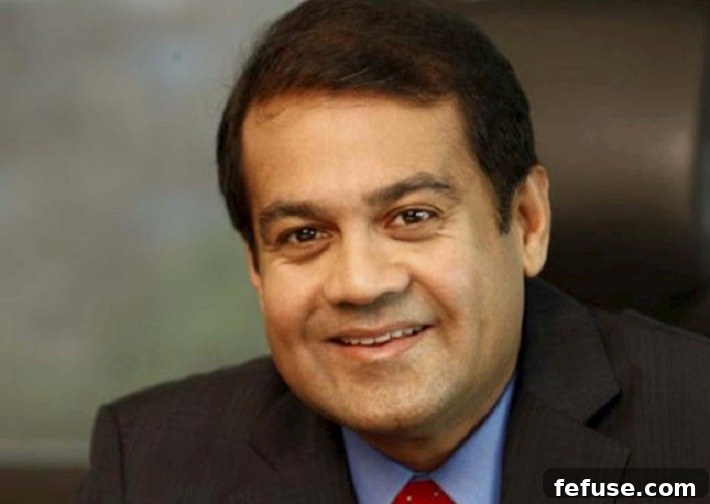
According to Colin Shah, Chairman of the Gems and Jewellery Export Promotion Council (GJEPC), India’s exports of gems and jewelry are anticipated to fall by approximately a fifth, or 20 percent, for the fiscal year ending March 2021. This projection places the total exports around $27.7 billion, a notable drop from the $34.6 billion recorded in the preceding fiscal year (ending March 2020). The figures encompass a wide array of products, including meticulously cut and polished diamonds, exquisite gold, silver, and platinum jewelry, and vibrant colored gemstones, underscoring the broad impact across the sector.
The Initial Shock: A Global Pause on Trade
The initial phase of the pandemic, particularly between April and July 2020, delivered a severe blow to the industry. Global lockdowns, travel restrictions, and the closure of retail outlets in key international markets virtually wiped out sales channels. Traditional avenues for trade, such as international exhibitions and buyer-seller meets, came to an abrupt halt, severely disrupting the supply chain and buyer engagement. India, being a global manufacturing hub for cut and polished diamonds and a major exporter of finished jewelry, felt the full force of this global economic slowdown.
The first quarter of the fiscal year saw minimal trade activity as countries grappled with containing the virus, leading to widespread economic uncertainty and a sharp decline in discretionary spending. The luxury goods market, including gems and jewelry, is often among the first to be affected during economic downturns, as consumers prioritize essential goods. This period was characterized by order cancellations, inventory buildup, and a significant lack of fresh demand from major export destinations like the United States, Europe, and the Middle East.
Digital Transformation: The Catalyst for Recovery
Despite the grim outlook during the initial months, the industry showcased its adaptability by embracing digital transformation at an accelerated pace. Colin Shah highlighted the pivotal role of online sales in mitigating some of the losses incurred during the lockdown period. The shift to digital platforms became a lifeline, enabling businesses to connect with buyers and consumers remotely. Virtual trade shows, online B2B portals, and enhanced e-commerce capabilities for B2C sales emerged as critical tools for survival and recovery.
This rapid pivot to digital was not without its challenges. Selling high-value items like diamonds and precious jewelry online required establishing new levels of trust, implementing secure payment gateways, and ensuring robust logistics for international shipping. Companies invested in high-quality digital imaging, virtual try-on experiences, and transparent product certification to bridge the gap between physical and online shopping. The GJEPC itself played an instrumental role in facilitating this transition, organizing virtual exhibitions and seminars to educate its members on digital selling strategies and market trends.
The efforts bore fruit. As global economies cautiously reopened and consumer confidence gradually returned, particularly in markets where online shopping had already gained significant traction, the digital channels began to compensate for the stalled physical trade. This strategic shift not only helped recover lost ground but also paved the way for a more resilient and future-proof business model for many players in the industry.
Month-on-Month Recovery: A Return to Pre-COVID Levels
A significant indicator of the industry’s recovery trajectory is the statement by Colin Shah, who affirmed, “On a month-on-month basis, we are already at pre-Covid level.” This signals a strong turnaround in trade activity towards the latter half of the fiscal year. After enduring the severe contraction in the initial months, the steady improvement in exports demonstrates the inherent strength and demand for Indian gems and jewelry in the global market.
Several factors contributed to this impressive recovery. The festive season in India and in key international markets stimulated consumer demand. Weddings, anniversaries, and other celebrations, often associated with jewelry purchases, provided a much-needed boost. Furthermore, as economies stabilized, there was a resurgence in demand for luxury goods, sometimes driven by consumers looking to mark milestones or invest in tangible assets during uncertain times. The efficiency of the Indian manufacturing sector, known for its skilled craftsmanship and competitive pricing, also played a crucial role in meeting the renewed global demand promptly.
The ability to bounce back to pre-COVID levels in monthly exports underscores the robustness of the supply chain and the strong relationships Indian exporters maintain with international buyers. It also highlights the adaptability of businesses to rapidly adjust to changing market dynamics, from production schedules to shipping logistics.
Gold Imports: A Complementary Trend
In a related development reflecting broader economic patterns, gold imports into India also witnessed a decline. According to data from the commerce ministry, gold imports fell by 3.3 percent to $26.11 billion during the April 2020 to February 2021 period. This trend in gold imports can be attributed to several factors. Lower domestic demand during the peak of the pandemic, coupled with fluctuating gold prices, likely influenced import volumes.
A decrease in gold imports can sometimes indicate reduced domestic consumption, especially given gold’s significant cultural and investment role in India. However, it can also reflect a more balanced supply-demand scenario, or even a strategic reduction in inventory by domestic players. While the export focus of the article is paramount, understanding the gold import dynamics provides a more holistic view of the overall health and trends within India’s precious metals and jewelry market.
Looking Ahead: Challenges and Opportunities
Despite the commendable recovery, the Indian gems and jewelry sector is not entirely out of the woods. Global economic uncertainties, potential new waves of the pandemic, and evolving consumer preferences continue to pose challenges. Supply chain vulnerabilities exposed during the crisis necessitate diversification and strategic planning. The rise of lab-grown diamonds, sustainability concerns, and ethical sourcing demands are also reshaping the industry landscape.
However, these challenges also present significant opportunities. The accelerated adoption of digital technologies is likely to continue, opening new markets and streamlining operations. A renewed focus on design innovation, product diversification, and brand building can enhance India’s competitive edge. Exploring new export destinations, strengthening relationships with existing markets, and leveraging India’s traditional craftsmanship while embracing modern manufacturing techniques will be key to sustained growth.
The GJEPC continues to play a vital role in supporting exporters through policy advocacy, market intelligence, promotional activities, and skill development initiatives. Their focus remains on enhancing India’s position as a world leader in the gems and jewelry trade, ensuring that the sector continues to contribute significantly to the nation’s economic prosperity and global reputation.
Conclusion: A Testament to Resilience
The projected 20 percent decline in India’s gems and jewelry exports for the fiscal year underscores the profound impact of the global pandemic. Yet, the narrative of recovery and resilience stands out as the defining characteristic of this period. The industry’s swift adaptation to digital platforms, coupled with a strong underlying demand for its products, enabled a remarkable comeback, with monthly exports returning to pre-COVID levels. This journey from crisis to recovery is a testament to the ingenuity, adaptability, and enduring spirit of India’s gems and jewelry sector, positioning it for continued growth and innovation in a post-pandemic world.