
Driving Growth: Unlocking the Full Potential of India’s Gems & Jewellery Exports
The Indian gems and jewellery sector stands as a pivotal pillar of the nation’s economy, renowned globally for its exquisite craftsmanship, intricate designs, and significant contribution to employment and foreign exchange earnings. To sustain and accelerate this growth trajectory, continuous dialogue and strategic policy reforms are imperative. It was with this forward-looking vision that the Gem & Jewellery Export Promotion Council’s (GJEPC’s) Jaipur Regional Office organized a crucial workshop on December 17, 2019. The primary objective was clear: to meticulously identify the critical policy challenges that currently impede the smooth flow and expansion of gems and jewellery exports, and subsequently, to deliberate upon and propose actionable solutions designed to effectively overcome these multifaceted obstacles.
This significant workshop was not an isolated event but rather an integral component of a comprehensive study initiated by the esteemed EXIM Bank (Export-Import Bank of India). EXIM Bank plays a vital role in facilitating India’s international trade, and its initiative underscores the national importance of understanding and addressing the nuances of export policy. The expert team entrusted with conducting this pivotal study comprised distinguished personalities in the field of trade and economics: Mr. Rajeev Kher, Dr. Jayant Dasgupta, and Dr. Veena Jha. Their collective expertise brings a rigorous analytical framework to the complex challenges facing the sector, ensuring that the recommendations are grounded in deep economic understanding and practical feasibility.
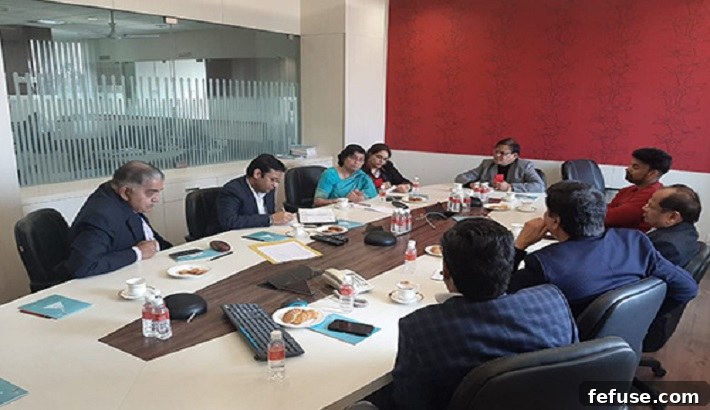
The workshop held in Jaipur, a city synonymous with India’s rich heritage in gems and jewellery, was expertly guided by Dr. Veena Jha. Her profound insights and extensive experience in international trade and policy analysis ensured a productive and focused discussion. The gathering saw the participation of key stakeholders and influential figures within the industry, including Mr. Nirmal Kumar Bardiya, the esteemed Regional Chairman of GJEPC Jaipur, and Mr. Vijay Kedia, Convener of the CGS (Colored Gemstones) Panel. Their presence, alongside other dedicated members of the GJEPC and various industry representatives, highlighted the collaborative spirit and shared commitment towards fostering a more conducive environment for Indian gems and jewellery exports. The active engagement of these leaders allowed for a rich exchange of ideas, drawing upon real-world experiences and on-the-ground challenges faced by exporters, directly informing the policy recommendations.
Key Policy Challenges and Proposed Solutions for Export Enhancement
The discussions at the workshop delved deep into several critical areas, pinpointing specific procedural bottlenecks and regulatory hurdles that significantly impact the efficiency and competitiveness of India’s gems and jewellery exports. The proposed solutions represent a collaborative effort to streamline processes, reduce costs, and leverage modern trade mechanisms to unlock the industry’s full potential.
-
Streamlining E-commerce and Small Value Shipments:
The global shift towards e-commerce presents unprecedented opportunities for Indian gems and jewellery exporters, particularly for small and medium-sized enterprises (SMEs) seeking direct access to international consumers. However, the workshop highlighted persistent procedural challenges hindering e-commerce exports and small value shipments. These often include complex and time-consuming customs clearance processes, disproportionately elaborate documentation requirements for low-value goods, and high shipping costs relative to the product’s value. For an industry that produces a wide range of items, from high-value statement pieces to affordable fashion accessories, these regulatory and logistical hurdles can significantly deter both sellers and international buyers. The intricate paperwork and clearance delays increase overheads, making Indian products less competitive in online global marketplaces.
Solutions proposed focused on simplifying customs declarations for small parcels, exploring the implementation of de minimis thresholds for duties and taxes on certain value shipments, and fostering partnerships with international logistics providers to secure competitive shipping rates. Easing these procedures would not only boost direct-to-consumer sales but also position India as a more agile and responsive player in the global online retail landscape for precious goods. It would empower smaller artisans and designers to access lucrative international markets directly, bypassing traditional, often more expensive, and slower export channels, thereby democratizing global trade for Indian craftsmanship. -
Implementing a Tax Refund Mechanism for Foreign Tourists:
A significant proposal discussed was the implementation of a comprehensive tax refund mechanism for foreign tourists purchasing gems and jewellery in India. Many leading tourist destinations worldwide, particularly those with thriving luxury goods and retail sectors, successfully offer Value Added Tax (VAT) or Goods and Services Tax (GST) refunds to international visitors upon their departure. This policy serves as a powerful economic incentive, encouraging tourists to spend more on local products by effectively reducing the final price of their purchases. India, with its rich legacy in crafting exquisite and diverse jewellery, stands to gain immensely from such a system, bolstering its appeal as a shopping destination.
The current absence of a robust, easily accessible tax refund scheme places Indian retailers at a distinct disadvantage compared to their counterparts in major shopping hubs like Dubai, Singapore, or prominent European cities. Implementing this mechanism would not only directly boost retail sales to tourists but also significantly elevate India’s status as a premier global shopping destination for authentic and high-quality jewellery. It would enhance the overall tourist experience, encouraging repeat visits and invaluable word-of-mouth promotion, thereby contributing significantly to both the tourism and retail sectors of the economy. Establishing a clear, efficient, and technology-driven process for claiming these refunds would be paramount for its successful implementation and widespread adoption. -
Facilitating Clubbing of Multiple Invoices for Single Air Cargo Shipments:
A common and persistent predicament faced by international buyers is the logistical complexity and increased cost when they purchase goods from multiple Indian sellers but wish to consolidate these purchases into a single air cargo shipment to their home country. Current customs and logistical procedures often necessitate separate documentation, individual customs clearances, and redundant handling for each invoice, even if all goods are destined for the same buyer and country, and could physically be shipped together in one consignment. This bureaucratic hurdle significantly inflates shipping costs, multiplies paperwork, and extends transit times for the buyer, making India a less attractive sourcing option compared to markets with more flexible and consolidated shipping rules.
The workshop highlighted the critical need for a simplified procedure allowing the clubbing of more than one invoice by a single foreign buyer, even when goods originate from different Indian sellers, for shipping as a unified air cargo consignment. Such a measure would drastically reduce logistics costs, minimize redundant paperwork, and significantly improve efficiency and convenience for international buyers. This enhancement would foster stronger buyer-seller relationships, encourage larger aggregate purchases, and ultimately streamline India’s position as a reliable, cost-effective, and efficient sourcing hub for gems and jewellery. It directly aligns with global best practices for trade facilitation and supply chain optimization, making India a more competitive player in international logistics. -
RBI to Authorize Banks for Virtual Account Facility for E-commerce Exporters:
In the rapidly evolving landscape of global e-commerce, efficient and cost-effective payment processing for small-value international transactions is paramount for sustained growth. The workshop put forth a critical recommendation: for the Reserve Bank of India (RBI) to allow banks to extend the facility of maintaining virtual accounts by e-commerce exporters in various countries. A virtual account is essentially a unique, designated account number that acts as a reference for incoming payments in a foreign country, often linked seamlessly to the exporter’s primary bank account in India. These accounts can facilitate local currency payments in the buyer’s country, which are then efficiently converted and remitted to the exporter, circumventing traditional cross-border transfer complexities.
Currently, managing small-value international payments often involves high transaction fees, complex foreign exchange regulations, and extensive paperwork, which can significantly erode profit margins for e-commerce exporters, particularly SMEs. Enabling virtual accounts would dramatically reduce transaction costs, accelerate payment processing, and simplify foreign exchange management. It would provide Indian e-commerce businesses, especially SMEs, with a crucial competitive edge by allowing them to accept payments more easily and affordably from international customers, thereby enhancing their global reach and operational efficiency. This move aligns perfectly with the “Digital India” initiative, promoting modern digital financial solutions for international trade and making global commerce more accessible. -
Easing Procedures for Importing Rough Gemstones by Foreign Nationals/Companies:
India is globally recognized as a world leader in the cutting and polishing of gemstones, a highly specialized sector that heavily relies on the consistent import of rough stones from various global sources. To maintain and further enhance this pre-eminence, ensuring an uninterrupted and unhindered supply of raw materials is absolutely vital. The workshop identified existing complexities and bureaucratic hurdles in the procedure for importing rough gemstones, particularly when foreign nationals or foreign-owned companies are involved in the sourcing and supply chain. These challenges can range from intricate licensing requirements, stringent customs clearances, and complex regulatory compliances to practical visa and operational hurdles for foreign experts wishing to set up or manage sourcing operations in India.
Easing these procedures would have a multi-fold positive impact across the entire value chain. It would attract more foreign direct investment into the critical raw material supply chain, bring in invaluable international expertise and best practices in sourcing and grading, and ensure a more stable, diverse, and high-quality supply of rough gemstones. This, in turn, would significantly bolster India’s manufacturing capabilities in cutting and polishing, create more skilled employment opportunities in the major gemstone processing hubs like Jaipur, and substantially increase the overall value addition within the country. Simplifying the import process would demonstrate India’s unwavering commitment to being a global manufacturing and trading hub for gems and jewellery, making it easier and more attractive for foreign entities to contribute significantly to the growth and technological advancement of the sector.
Fostering a Globally Competitive Gems & Jewellery Sector
The recommendations emerging from the GJEPC and EXIM Bank workshop underscore a concerted and strategic effort to propel India’s gems and jewellery sector onto an accelerated growth trajectory. By meticulously addressing identified procedural challenges, cleverly leveraging modern financial mechanisms, and assiduously fostering an environment conducive to increased international trade and investment, India can significantly enhance its global competitive edge and market share.
The emphatic focus on e-commerce solutions reflects a profound understanding of contemporary market dynamics and the pressing need to empower smaller exporters to directly access global consumers. Similarly, innovative proposals like the tourist tax refund aim to synergize the nation’s burgeoning tourism and vibrant retail sectors, unlocking substantial new revenue streams and enhancing India’s appeal as a luxury shopping destination. The proposed logistical and financial reforms, such as invoice clubbing for shipments and the adoption of virtual accounts for payments, are crucial steps towards making India a more efficient, attractive, and user-friendly sourcing destination for discerning international buyers. Furthermore, streamlining rough gemstone imports for foreign entities is a strategic and forward-thinking move to secure a robust raw material supply, attract critical investment, and ensure India retains its paramount position as a global leader in gemstone processing and value addition.
These comprehensive policy suggestions, if implemented effectively and expeditiously, promise not only to significantly boost India’s export figures but also to cultivate a more resilient, innovative, and accessible industry for all stakeholders. They represent a collaborative vision forged between influential industry leaders and leading financial institutions, aiming to systematically remove long-standing friction points and unlock the immense, untapped potential of India’s highly skilled artisans and dynamic entrepreneurs. The ongoing and proactive dialogue between pivotal organizations like GJEPC, EXIM Bank, and various government bodies is absolutely indispensable for formulating responsive, adaptive, and impactful policies that can continually evolve to meet the challenges and opportunities of the ever-changing global trade landscape.
The collective commitment and strategic alignment towards these reforms highlight India’s bold ambition to not just be a major exporter but a truly global hub for gems and jewellery, renowned for both its timeless tradition of exquisite craftsmanship and its modern, efficient, and transparent trade practices. The invaluable insights gathered and the concrete solutions proposed during this pivotal workshop serve as a clear and actionable roadmap for policy makers, promising a brighter, more prosperous, and globally competitive future for the Indian gems and jewellery industry on the world stage.
Pic Cap: Dr Veena Jha expertly conducting the insightful workshop in Jaipur, facilitating crucial discussions for the future of India’s gems and jewellery exports.
News Source: GJEPC.org