
De Beers and Anglo American: A Strategic Uncoupling Set to Redefine the Diamond Landscape
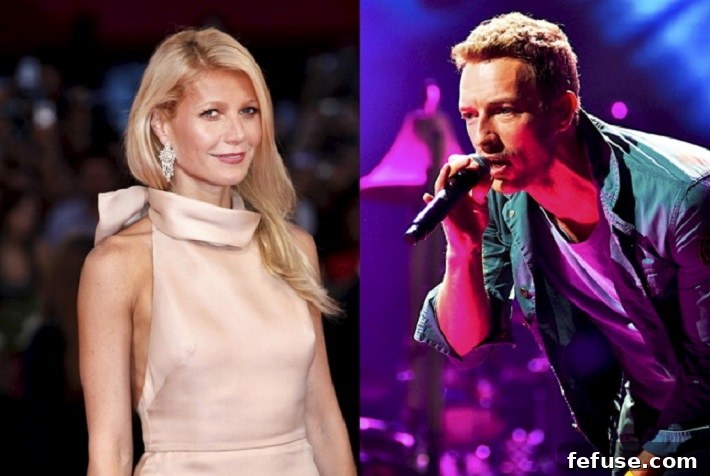
The global diamond industry is on the cusp of a significant transformation as De Beers, the iconic diamond powerhouse, prepares for a strategic separation from its parent company, Anglo American. Described by De Beers CEO Al Cook as a “conscious uncoupling” – a term famously coined by Gwyneth Paltrow and Chris Martin – this amicable divorce marks the end of a pivotal 12-year partnership and signals a bold new direction for one of the world’s most recognized luxury brands.
This proposed sell-off is not merely a corporate transaction; it represents a fundamental shift in the strategies of two industry giants and promises to reshape the future of diamond mining, retail, and the perception of luxury itself. For Anglo American, it’s about sharpening its focus on future-enabling commodities. For De Beers, it’s an opportunity to reclaim its independent legacy and accelerate an ambitious new vision for growth and market leadership in the natural diamond sector.
A Decisive Split After 12 Years: Historical Context
The timing of this separation carries a striking historical parallel, occurring exactly 12 years after Anglo American significantly increased its stake in De Beers. In 2012, Anglo American solidified its control by acquiring an additional 40% interest from the Oppenheimer family, elevating its ownership from 45% to a dominant 85%. This monumental transaction, valued at $5.1 billion, marked the end of the Oppenheimer family’s nearly century-long direct control over De Beers, a period that saw the company become synonymous with diamonds worldwide.
For over a decade, De Beers operated as a key component of Anglo American’s diverse portfolio, contributing to its global mining footprint. However, the dynamics of the global commodity markets and the evolving landscape of the luxury sector have prompted Anglo American to re-evaluate its strategic priorities. The decision to divest De Beers comes on the heels of a robust strategic review initiated by Anglo American, following a high-profile takeover bid from Australian mining giant BHP, which was ultimately fended off last month. This review has driven Anglo American to streamline its operations, focusing on core assets with higher growth potential and better returns, particularly in crucial future-facing commodities like copper.
Anglo American’s Strategic Pivot: Focusing on Future-Enabling Commodities
Anglo American’s rationale for divesting De Beers is rooted in a clear and compelling strategic imperative: to concentrate its resources and capital on sectors deemed more central to its long-term growth and profitability. The company has explicitly stated its intention to focus on assets that are pivotal for the global energy transition and sustainable development, with copper standing out as a primary example. Copper, essential for electric vehicles, renewable energy infrastructure, and advanced electronics, represents a commodity with robust demand forecasts and attractive investment prospects.
While De Beers has historically been a significant asset, the diamond market has faced considerable volatility in recent years, influenced by fluctuating consumer demand, geopolitical factors, and the rise of lab-grown diamonds. For Anglo American, maintaining an 85% stake in De Beers required substantial capital allocation, and the returns, when compared to the high-growth potential of other commodities like copper, zinc, and platinum group metals, no longer aligned perfectly with the group’s refreshed strategic vision. This divestment, therefore, is a calculated move to optimize Anglo American’s portfolio, reduce complexity, and unlock greater value for its shareholders by channeling investment into higher-performing and strategically aligned assets.
De Beers’ Enduring Legacy and Future Vision Under Al Cook
For De Beers, this separation is not an ending but a powerful new beginning. Al Cook, who assumed the CEO role in February 2023, is steering the company towards an independent future built on its unparalleled heritage and deep expertise in the diamond world. Cook, in discussions with Mail Online, underscored De Beers’ formidable history, stating that the company had accomplished “some of our finest work” in the 124 years prior to Anglo American taking majority control.
This sentiment highlights a foundational belief within De Beers: that while mining is its core competency, its future success hinges on transcending the traditional role of a mere extractive company. “Mining will always be necessary and important, and we think we’re very good at it,” Cook affirmed, “but it’s got to be so much more than that, if we’re going to be successful in the future.” This philosophy underpins De Beers’ ambitious “Origins” strategy, a comprehensive roadmap designed to solidify its position as the undisputed leader in natural diamonds, from discovery to the ultimate consumer.
The “Origins” Strategy: A Retail Revolution and Luxury Brand Expansion
The cornerstone of De Beers’ new “Origins” strategy is a dramatic expansion of its retail jewelry operation, signaling a strategic pivot towards a more direct-to-consumer model. The company has articulated an ambitious goal to open 60 new stores by the end of the decade, significantly increasing its global footprint and challenging established luxury jewelry titans such as Tiffany & Co. and Cartier.
This aggressive retail expansion is a clear declaration of intent: De Beers aims to capture a larger share of the high-end luxury market by bringing its brand directly to consumers through curated retail experiences. This strategy will allow De Beers to:
- Enhance Brand Storytelling: Directly convey its unique heritage, ethical sourcing practices, and the profound journey of each natural diamond.
- Improve Customer Engagement: Forge stronger relationships with consumers, understanding their preferences and offering personalized services.
- Control the Value Chain: Capture greater margin by integrating vertically from mining to retail, optimizing profitability.
- Compete on Luxury Experience: Create immersive retail environments that rival the world’s most prestigious luxury brands, emphasizing craftsmanship, design, and exclusivity.
This shift represents a significant evolution for De Beers, moving beyond its historical role primarily as a supplier of rough diamonds to a fully integrated luxury retailer. By focusing on consumer-facing operations, De Beers aims to cultivate a new generation of natural diamond enthusiasts, reaffirming the enduring emotional and intrinsic value of these precious gems.
Strategic Repositioning on Lab-Grown Diamonds: A Clear Delineation
Another pivotal element of De Beers’ re-envisioned strategy involves a significant recalibration of its stance on lab-grown diamonds. As announced at JCK Vegas, the company will cease its production of gem-quality lab-grown diamonds for its Lightbox brand. This decision marks a strategic move to create a distinct differentiation between natural and lab-grown diamonds in the market.
When Lightbox was launched, it aimed to establish a clear, accessible price point for fashion jewelry featuring lab-grown diamonds, signaling that these were a separate category from natural diamonds. The current decision to halt gem-quality production for Lightbox further sharpens this distinction. It reinforces De Beers’ unwavering commitment to the natural diamond sector as the core of its luxury business. By exiting the gem-quality lab-grown space, De Beers aims to:
- Protect Natural Diamond Value: Prevent potential market confusion and uphold the unique value proposition, rarity, and emotional significance of natural diamonds.
- Focus Resources: Reallocate investment and attention entirely to its natural diamond mining, marketing, and retail initiatives, including the “Origins” strategy.
- Reinforce Luxury Positioning: Solidify De Beers’ identity as the purveyor of rare, ancient, and intrinsically valuable natural diamonds, separating it from the mass-produced, technology-driven lab-grown market.
This strategic move sends a powerful message to the industry and consumers alike: De Beers believes in the enduring allure and investment value of natural diamonds, positioning itself squarely at the premium end of the luxury market.
Implications for the Diamond Industry and Beyond
The uncoupling of De Beers and Anglo American is poised to have profound implications across the global diamond and mining industries. For Anglo American, the divestment means a leaner, more focused portfolio, potentially attracting new investors interested in its core commodity assets. For De Beers, independence opens up a realm of possibilities, allowing it to pursue its “Origins” strategy with greater agility and direct control over its destiny.
The diamond market itself will closely watch De Beers’ accelerated retail expansion and its renewed emphasis on natural diamonds. This shift could invigorate the natural diamond sector, encouraging greater investment in ethical sourcing, sustainable practices, and innovative marketing that highlights the unique story and timeless beauty of these natural wonders.
Potential buyers for De Beers, whether private equity firms, sovereign wealth funds, or other mining conglomerates, will undoubtedly be evaluating the opportunity to acquire a brand with unparalleled global recognition and a direct connection to luxury consumers. The future ownership structure will play a crucial role in how De Beers executes its vision, but the strategic direction under Al Cook appears clear: a revitalized, independent De Beers committed to leading the natural diamond luxury market into a new era.