
Hong Kong’s Jewellery and Watch Market: A Glimpse into 2018 and Beyond
Hong Kong, a world-renowned hub for trade and luxury goods, showcased a robust and evolving landscape for its jewellery and watch sectors in 2018, with promising growth projections influenced by both internal market dynamics and global economic shifts. An in-depth analysis from the Hong Kong Trade Development Council (HKTDC) highlighted key trends and export forecasts, painting a picture of cautious optimism amidst a complex international trade environment. The council’s latest export index report underscored the city’s enduring appeal as a sourcing destination for high-quality goods, particularly those distinguished by exceptional design and craftsmanship.
Fine Jewellery and Precious Metals: Shifting Consumer Preferences
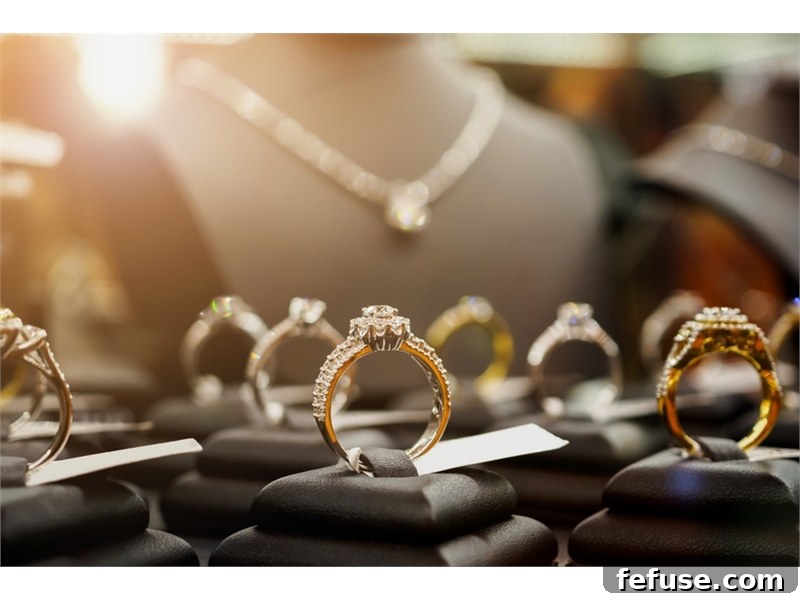
The fine jewellery segment in Hong Kong was anticipated to experience considerable strengthening throughout 2018. This surge was primarily attributed to an increasing consumer appreciation for items that combine sophisticated aesthetics with superior artisanal execution. Hong Kong’s reputation as a centre for exquisite jewellery craftsmanship means that pieces featuring intricate designs, innovative techniques, and high-quality materials consistently capture buyer interest. Consumers are increasingly seeking unique, statement pieces that reflect personal style and offer lasting value, moving beyond mere material worth to embrace the artistry embedded in each creation. This trend signals a maturing market where discerning buyers are willing to invest in pieces that stand out for their artistic merit and heritage, thereby driving the demand for meticulously crafted fine jewellery.
Platinum and Gold: A Tale of Two Metals in the Hong Kong Market
In the realm of precious metals, platinum jewellery emerged as a particularly strong performer, with demand expected to intensify significantly. This heightened interest was largely driven by the metal’s relatively sluggish price performance at the time, making it a more attractive option for both consumers and manufacturers. Platinum, known for its enduring lustre, rarity, and hypoallergenic properties, offers a modern and sophisticated alternative to traditional gold. Its understated elegance and suitability for showcasing diamonds and other gemstones have solidified its position in contemporary jewellery design. The favourable pricing environment in 2018 allowed for greater accessibility, broadening its appeal across various market segments and encouraging a diversification in precious metal choices within the Hong Kong jewellery market.
Conversely, demand for gold jewellery remained remarkably stable. Gold, deeply embedded in cultural traditions across Asia, particularly for celebratory occasions and as a traditional store of wealth, continues to command a foundational presence in the market. Its consistent appeal underscores its role not only as a luxury item but also as a reliable investment asset. Despite the fluctuations seen in other commodities, gold’s inherent value and widespread acceptance ensure its sustained demand, proving its resilience as a cornerstone of the jewellery industry. This stability highlights the dual nature of gold in Hong Kong – both as a cherished adornment and a pragmatic financial instrument, a trend that is consistently observed year after year.
The Evolving Watch Market: From Luxury to Smart Technology
The watch market in Hong Kong presented a nuanced picture, reflecting broader global trends in horology and personal technology. While sales of traditional luxury watches were projected to remain steady, signalling a consistent demand for high-end, heritage timepieces, the market for fashionable watches showed a notable uptick. This indicates a clear bifurcation in consumer preferences: one segment valuing timeless elegance, mechanical mastery, and brand legacy, and another embracing watches as stylish accessories that complement contemporary fashion trends, often at more accessible price points. Hong Kong’s consumers demonstrated a sophisticated palate for both ends of the spectrum.
Smartwatches: Merging Fashion, Function, and Connectivity
Among the most dynamic segments, smartwatches continued their impressive trajectory of popularity. These technologically advanced wearables have transcended their initial novelty status to become indispensable lifestyle devices, seamlessly integrating into daily routines. Their sustained appeal stems from a compelling array of functions that cater to modern consumer needs, particularly in a fast-paced urban environment like Hong Kong. Fitness tracking capabilities, including heart rate monitoring, step counting, and sleep analysis, empower users to manage their health proactively. Smart notifications keep individuals connected without constant reliance on their smartphones, delivering alerts for messages, calls, and appointments directly to the wrist. Furthermore, advanced mobile connectivity, often including standalone cellular capabilities, elevates smartwatches from mere companion devices to powerful communication tools. This blend of health, convenience, and communication, coupled with increasingly sophisticated designs and customization options, ensures smartwatches remain a significant growth driver in the watch sector, appealing to a tech-savvy and health-conscious demographic seeking both utility and style.
Hong Kong’s Export Performance: A Resilient Economy Amidst Global Dynamics
Looking at the broader economic landscape, the HKTDC presented a positive outlook for Hong Kong’s overall exports in 2018. The council anticipated a robust increase of 6 percent in the value of exports, complemented by a 4 percent growth in export volume. These projections underscored the city’s enduring strength as a global trading hub and its ability to capitalize on favourable international economic conditions. Such growth figures are vital indicators of Hong Kong’s economic health and its pivotal role in the global supply chain, extending far beyond the luxury goods sector to a wide array of products.
Drivers of Growth and Global Economic Context
Nicholas Kwan, Director of Research at HKTDC, attributed this positive trajectory to a confluence of factors. He highlighted a broad-based expansion in global investment, trade activities, and consumer consumption across both developed and emerging economies. This synchronized global growth provided a fertile ground for Hong Kong’s export-oriented economy, allowing businesses to access new markets and fulfill increasing demand. Moreover, strengthening consumer and business confidence played a pivotal role, fostering a more optimistic spending and investment climate worldwide. This improved sentiment translated into greater demand for goods and services, directly benefiting Hong Kong’s diverse export portfolio, including its thriving jewellery and watch sectors. Kwan emphasized, “Overall demand will remain sturdy with the expansion in both developed and emerging economies,” underscoring the widespread nature of economic recovery contributing to Hong Kong’s export success and reinforcing its interconnectedness with global prosperity.
Navigating the Future: Opportunities and Challenges for Hong Kong Exporters
While the immediate outlook for 2018 was largely positive, the HKTDC also offered a pragmatic view of the future, acknowledging potential headwinds. The council projected that the positive export trend would likely extend into the following year, albeit with an expected moderation in the pace of growth. This anticipated slowdown reflects the natural cyclical nature of global economies and the emergence of significant geopolitical and economic challenges that could reshape international trade landscapes.
Formidable Challenges on the Horizon for Hong Kong’s Trade Sector
Hong Kong exporters were advised to prepare for several formidable challenges that could impact trade dynamics. Chief among these were rising Sino-US trade tensions, which threatened to disrupt established supply chains, impose tariffs, and dampen global business confidence. Hong Kong, as a crucial entrepôt between mainland China and the rest of the world, stood particularly vulnerable to the ripple effects of such trade disputes, potentially affecting its re-export business and investment flows. Another significant concern was the possibility of a faster-than-expected tightening of US monetary policy. Such a move by the Federal Reserve could lead to higher borrowing costs globally, strengthen the US dollar, and potentially impact emerging market currencies, thereby affecting purchasing power and investment flows into and out of Hong Kong. Furthermore, escalating geopolitical tensions worldwide presented a broad spectrum of risks, from supply chain disruptions and increased shipping costs to reduced consumer spending due to uncertainty and instability. These factors necessitated a proactive and adaptable strategy from Hong Kong’s exporting community to mitigate potential adverse impacts, diversify market exposure, and identify new opportunities in a rapidly changing global environment.
Exporter Confidence: A Sign of Resilience in Hong Kong’s Business Community
Despite these looming challenges, the latest HKTDC Export Index revealed a substantial improvement in the confidence level of Hong Kong exporters compared to the previous year. This index, a vital barometer that monitors the current export performance of Hong Kong traders and gauges their near-term prospects, provided valuable insights into the prevailing business sentiment. A reading above 50 indicates positive sentiment and an expectation of growth, while a reading below 50 suggests negative sentiment or a contraction in trade prospects.
In 2017, the average HKTDC Export Index level reached 47. This figure, while still below the 50-point threshold for overall positive sentiment, represented a significant improvement from the previous year’s average of 36.8. This remarkable jump of over 10 points signalled a notable boost in optimism among exporters. It suggested that despite facing a complex global trade landscape, Hong Kong’s businesses were finding ways to adapt, innovate, and secure orders, reflecting a resilient and dynamic export sector. The improved confidence could be attributed to a better understanding of market demands, successful diversification strategies, or an overall improved global economic climate compared to the prior period of greater uncertainty. This upward trend in confidence is crucial for sustaining future growth and encouraging continued investment in export-oriented industries, demonstrating Hong Kong’s capacity to navigate complex economic currents effectively.
Conclusion: Hong Kong’s Enduring Appeal as a Global Trade Hub
Hong Kong’s jewellery and watch markets, alongside its broader export sector, demonstrated compelling resilience and growth potential in 2018. Fueled by a strong demand for finely crafted jewellery, the strategic pricing of platinum, and the continued innovation in smartwatches, the city reinforced its position as a pivotal player in the global luxury goods arena. The positive export forecasts, driven by expanding global economies and enhanced business confidence, painted an encouraging picture for its trading community, affirming its status as a vital link in international commerce.
However, the insights from the HKTDC also highlighted the importance of vigilance and adaptability in the face of evolving geopolitical and economic challenges. From Sino-US trade tensions to global monetary policy shifts, Hong Kong exporters are continually navigating a complex international landscape that demands strategic foresight. The significant improvement in the HKTDC Export Index underscored the underlying strength and optimistic outlook of the city’s trading enterprises, showcasing their ability to find opportunities even amidst uncertainty. As Hong Kong continues to leverage its strategic location, robust infrastructure, and unparalleled expertise in high-value trade, it remains poised to maintain its prominence, adapting to new trends and challenges to secure its future as a vibrant, dynamic global hub for luxury and trade.