
De Beers Concludes 2022 with Robust Rough Diamond Sales Amidst Evolving Market Dynamics
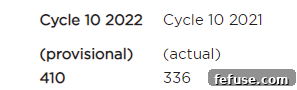
De Beers, a global leader renowned for its exploration, mining, and marketing of diamonds, brought its 2022 sales year to a close with a noteworthy performance at its 10th Sight. The company announced rough diamond sales totaling $410 million, reflecting a substantial 22% increase year-on-year for the equivalent sales cycle. This impressive figure, which encompasses both its exclusive global sightholder sales and open market auctions, offers a crucial indicator of the diamond industry’s health and De Beers’ strategic agility as the year concluded.
While the robust year-on-year growth underscores strong underlying demand and effective market navigation, it’s also important to contextualize that these sales were 9.6% below those recorded during the preceding 9th Sight of 2022. Such sequential fluctuations are not uncommon in the highly cyclical nature of diamond trading. They often signify seasonal adjustments, strategic inventory recalibrations by buyers, and the anticipation of future market conditions. A comprehensive understanding of these figures requires delving into the specific factors that influence buyer behavior and the broader economic climate during the pivotal fourth quarter.
Decoding the Sales Performance: A Closer Look at the Figures
The reported $410 million in rough diamond sales for De Beers’ 10th Sight of 2022 vividly illustrates the company’s resilience and its continued ability to generate significant value even within a dynamic and often unpredictable economic landscape. The 22% year-on-year surge is particularly compelling, pointing to a stronger market appetite for rough diamonds compared to the tail end of 2021. This growth can be attributed to a confluence of factors, including sustained global consumer demand for diamond jewelry, particularly in key luxury markets, strategic inventory adjustments made by sightholders, and potentially a degree of pent-up demand materializing from earlier in the year.
Conversely, the 9.6% sequential decrease from the 9th Sight of 2022 merits careful analysis. Such variations are an inherent characteristic of the rough diamond market, often mirroring the timing of major retail events, such as the peak holiday shopping season, and the strategic inventory decisions of diamond cutters and polishers. As the calendar year draws to a close, sightholders meticulously assess their current stock levels, project future demand patterns for polished diamonds, and consequently adjust their purchasing volumes. The final sight of the year frequently witnesses a more cautious and deliberate purchasing approach as manufacturers prepare for year-end factory closures and strategically re-evaluate their positions for the start of the new year.
Insights from De Beers’ Leadership: Bruce Cleaver’s Market Perspective
Bruce Cleaver, CEO of De Beers Group, offered invaluable context to these sales figures, illuminating the company’s internal perspective and the underlying market drivers. Cleaver remarked, “Demand for our rough diamonds over the final sales cycle of 2022 was in line with expectations.” This statement unequivocally highlights De Beers’ profound understanding of market rhythms and its consistent capability to accurately forecast demand, even amidst the backdrop of prevailing global economic uncertainties and geopolitical shifts.
Cleaver further elaborated on the influencing factors, specifically pointing to the “normal seasonal closure of polishing factories in southern Africa over the Christmas period.” This recurring seasonal slowdown is an undeniably critical component within the intricate diamond supply chain. Polishing factories, particularly those situated in major diamond cutting centers like Surat in India or other key manufacturing hubs, traditionally scale down operations or close entirely for extended holiday periods. This predictable cycle invariably translates into a more measured and conservative purchasing approach from sightholders in the weeks leading up to such closures, as their immediate need for new rough supply diminishes.
A particularly insightful observation from Cleaver was his emphasis on “Sightholders taking a prudent approach ahead of restocking after Christmas and the expected re-opening of the China market.” This remark provides a clear glimpse into the strategic thinking and anticipatory behavior of sightholders. They were likely not only preparing for the traditional post-holiday retail boost but, more significantly, positioning themselves for a potential surge in demand stemming from the eagerly anticipated re-opening of the Chinese market. China, a formidable force in global luxury consumption, had been grappling with stringent COVID-19-related restrictions and lockdowns throughout much of 2022. The projected relaxation of these policies presented a monumental opportunity for a rebound in future diamond demand, prompting sightholders to meticulously manage their inventories and purchasing strategies in careful preparation for this potential economic upturn.
The Broader Global Diamond Market Landscape in 2022
The year 2022 proved to be a multifaceted and often challenging period for the global diamond industry. While the earlier months of the year witnessed robust demand, largely propelled by post-pandemic economic recovery and strong discretionary consumer spending, the latter half was increasingly characterized by persistent inflationary pressures, a series of interest rate hikes by central banks globally, and simmering geopolitical tensions. These significant macroeconomic headwinds inevitably exerted pressure on consumer sentiment, subsequently impacting the luxury goods market, including the diamond sector.
Despite these prevailing challenges, natural diamonds steadfastly maintained their enduring appeal as powerful symbols of love, commitment, and timeless value. Major retail markets, most notably the United States, demonstrated sustained consumer interest, albeit with a noticeable moderation towards the concluding months of the year. India, serving as an indisputably critical hub for diamond cutting and polishing, played an indispensable role in sustaining global market activity, processing the vast majority of the world’s rough diamonds into exquisitely polished stones ready for retail distribution.
Key Factors Influencing Rough Diamond Demand
The demand for rough diamonds is intricately governed by several interconnected and dynamic factors. Consumer confidence stands paramount; when the economic outlook is broadly optimistic, discretionary spending on luxury items like diamond jewelry typically sees a positive surge. Conversely, periods of economic uncertainty can lead to a contraction in such spending. Furthermore, major global events, such as widespread conflicts or global pandemics, possess the profound capacity to significantly disrupt intricate supply chains, alter fundamental consumer behaviors, and profoundly impact overall market stability.
The dynamics of polished diamond prices also exert a direct and immediate influence on the demand for rough diamonds. When polished prices are robust and stable, diamond manufacturers exhibit greater willingness to invest in rough stones, anticipating healthy profit margins. Conversely, a noticeable softening in polished prices can induce caution and hesitancy among buyers. Additionally, inventory levels across the entire pipeline, spanning from rough diamond dealers to wholesale distributors and ultimately to retail jewelers, play a crucial role. An oversupply of polished diamonds in the market can significantly reduce the immediate need for new rough supply, inevitably leading to lower sales volumes at sights and auctions.
The Significance of Sightholders and Auction Channels
De Beers primarily channels its rough diamond sales through two fundamental mechanisms: its highly selective Sightholder system and open market auctions. The Sightholder system represents a long-established, relationship-centric business model wherein a carefully vetted group of approved buyers (known as sightholders) commit to purchasing a predetermined volume of rough diamonds over a specified contractual period. This exclusive system offers unparalleled stability and predictability for both De Beers and its esteemed clients, thereby fostering robust, long-term strategic partnerships built on trust and mutual understanding.
Sightholders are typically substantial, well-established diamond manufacturers and dealers who possess the requisite expertise, advanced technology, and extensive infrastructure necessary to efficiently cut and polish rough stones into finished gems. Their purchasing decisions are inherently strategic, meticulously influenced by their existing inventory levels, their anticipated market trends for polished diamonds, and the overarching global economic climate. Bruce Cleaver’s mention of a “prudent approach” unequivocally underscores the sophisticated and forward-looking planning undertaken by these pivotal players within the diamond value chain.
Auctions, on the other hand, provide a more flexible and supplementary sales channel, enabling De Beers to sell specific parcels of rough diamonds to a broader and more diverse range of buyers, including those who are not part of the exclusive Sightholder program. This mechanism is instrumental in capturing market-driven prices for unique, specialized, or smaller parcels of diamonds. It acts as a vital complementary sales route, ensuring De Beers can effectively respond to varying market demands, price sensitivities, and seize opportunities that may arise outside the structured Sightholder agreements.
De Beers’ Strategic Position and Future Outlook
As one of the preeminent diamond companies globally, De Beers occupies an influential position across the entire diamond value chain. Its extensive and technologically advanced mining operations, continuous investments in cutting-edge exploration and recovery technologies, and its globally recognized brand presence afford it considerable influence within the industry. The company’s comprehensive strategy extends far beyond mere diamond extraction; it actively invests in robust marketing efforts to continuously promote the timeless allure, intrinsic value, and emotional significance of natural diamonds, exemplified by initiatives like its “Origin, Impact, Journey” platform.
Concurrently, De Beers navigates increasing scrutiny regarding its ethical and sustainability practices. Modern consumers are exhibiting heightened consciousness concerning the provenance and responsible sourcing of their luxury purchases. De Beers has proactively addressed these critical concerns through pioneering initiatives such as its “Best Practice Principles,” a rigorous framework designed to ensure responsible sourcing and ethical conduct from the mine to the final market. Transparency, active community engagement, and exemplary environmental stewardship are becoming indispensable aspects of its operational ethos, thereby reinforcing its reputation and appeal to increasingly discerning global buyers.
Innovation and Technology Driving Diamond Mining
To maintain its unparalleled leadership and optimize operational efficiency, De Beers consistently invests in state-of-the-art technology across all facets of its operations. This includes deploying advanced geological exploration techniques to discover new, economically viable diamond deposits, implementing innovative mining methods to optimize recovery rates while minimizing environmental footprints, and utilizing sophisticated sorting technologies to accurately classify and value rough diamonds. Such relentless technological prowess not only significantly enhances productivity but also aligns seamlessly with the company’s ambitious sustainability objectives.
Furthermore, De Beers is at the forefront of developing and implementing robust traceability solutions, most notably Tracr. This groundbreaking, blockchain-backed platform is specifically engineered to provide immutable proof of a diamond’s entire journey, from its precise origin at the mine to its final destination with the retailer. This unparalleled level of transparency is absolutely crucial in building and maintaining consumer trust, providing a clear differentiator for natural diamonds against alternatives, particularly in an evolving market where provenance, authenticity, and ethical sourcing are highly prized attributes.
Anticipating the Future: Emerging Trends and Challenges for the Diamond Industry
Looking ahead into 2023 and beyond, the global diamond industry is unequivocally poised for continued evolution and dynamic shifts. The widely anticipated full re-opening and economic revitalization of the Chinese market stands out as a paramount catalyst. With a vast population that historically cherishes diamonds and steadily increasing affluence, China’s return to full economic activity is projected to significantly bolster global demand for both rough and polished diamonds, particularly within the lucrative luxury segment.
However, the industry must also skillfully navigate ongoing macroeconomic uncertainties, which include the potential for economic recessions in major global economies, volatile energy prices, and continuously evolving consumer preferences. The sustained rise of lab-grown diamonds (LGDs) continues to be a prominent and noteworthy trend, offering a more affordable and ethically positioned alternative that appeals to a specific segment of consumers. De Beers, while primarily dedicating its efforts to natural diamonds, has also made strategic inroads into the LGD space with its Lightbox brand, demonstrating an acknowledgment of the expanding diversity of consumer choices and market segments.
The overarching emphasis on sustainability, ethical sourcing, and corporate social responsibility will only intensify. Diamond companies that can demonstrably prove a clear and unwavering commitment to responsible practices throughout their entire supply chain will undoubtedly gain a significant competitive advantage and strengthen their brand equity. Furthermore, digital engagement and e-commerce will continue to fundamentally reshape how diamonds are marketed, sold, and experienced by consumers, necessitating continuous innovation in online presence, immersive virtual experiences, and seamless customer service.
In conclusion, De Beers’ robust performance in the final sight of 2022 serves as a clear indicator of a dynamic and responsive market, influenced by predictable seasonal patterns, strategic buyer behavior, and the impending prospect of major market re-openings. While the global economic landscape invariably presents both opportunities and inherent challenges, De Beers’ proactive strategic approach, coupled with its profound market intelligence and unwavering commitment to responsible and ethical practices, positions it exceptionally well to adeptly navigate the complexities and capitalize on future growth opportunities in the timeless and enduring world of diamonds.