
Streamlining India’s Gem & Jewellery Exports: Key Policy Reforms Proposed in GJEPC Workshop
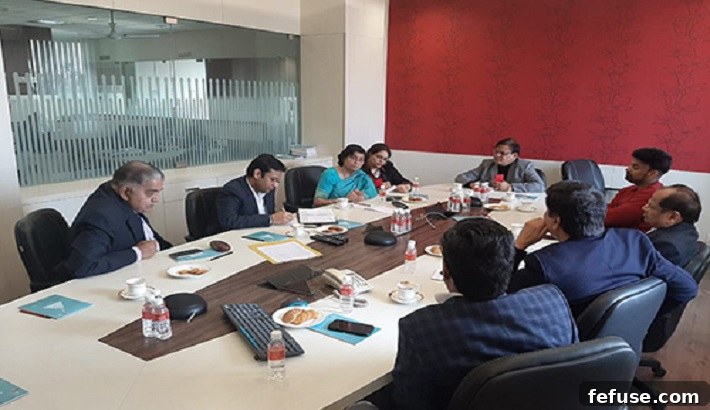
India’s gem and jewellery sector stands as a cornerstone of its economy, contributing significantly to exports, employment, and the nation’s global trade presence. To sustain and accelerate this growth, continuous policy refinement and proactive dialogue between industry stakeholders and government bodies are paramount. It was precisely with this vision that the Gem & Jewellery Export Promotion Council’s (GJEPC) Jaipur Regional Office organized a crucial workshop on December 17, 2019. The primary objective was to meticulously identify the critical policy challenges that impede the smooth flow and expansion of gem and jewellery exports, and subsequently, to forge practical, actionable solutions to overcome these formidable hurdles.
This pivotal workshop was not an isolated event but an integral component of a comprehensive study initiated by EXIM Bank, India’s premier export finance institution. EXIM Bank’s foresight in commissioning such a study underscores its commitment to understanding and addressing the nuances of export facilitation across various sectors. The esteemed team entrusted with conducting this in-depth analysis comprised distinguished experts: Rajeev Kher, Dr. Jayant Dasgupta, and Dr. Veena Jha. Their collective expertise and deep understanding of trade policy, economics, and international commerce provided a robust foundation for the study’s findings and recommendations.
The Workshop: A Confluence of Industry Expertise and Policy Insight
The workshop itself, expertly helmed by Dr. Veena Jha, served as a vibrant forum for constructive engagement and candid discussion. Dr. Jha’s adept moderation ensured that all voices were heard, and insights were systematically captured. The gathering attracted key figures from the gem and jewellery industry, ensuring that the deliberations were grounded in practical experience and immediate industry needs. Notable attendees included Nirmal Kumar Bardiya, the esteemed Regional Chairman of GJEPC, whose leadership and regional perspective are invaluable to the sector. He was joined by Vijay Kedia, Convener of the CGS Panel, whose insights into specific trade segments further enriched the discussions. Their presence, alongside other influential members of the GJEPC and the wider industry, underscored the collective commitment to fostering a more conducive export environment.
The dialogue at the workshop was structured around pinpointing precise pain points experienced by exporters and brainstorming innovative strategies for resolution. The outcomes of these discussions are vital for shaping future policy decisions and enhancing India’s competitive edge in the global gem and jewellery market.
Key Policy Challenges and Proposed Solutions: A Deep Dive
The workshop successfully distilled several critical areas requiring urgent policy intervention. These points, meticulously documented, form a roadmap for future reforms aimed at de-risking and simplifying the export process. Below, we elaborate on each of these key challenges and the proposed solutions that emerged from the expert deliberations:
-
Procedural Challenges in E-commerce and Small Value Shipments
The global retail landscape has undergone a dramatic transformation with the exponential rise of e-commerce. For the gem and jewellery sector, this presents an unprecedented opportunity to reach a broader international customer base. However, the current regulatory framework often struggles to keep pace with the agile nature of online trade, particularly concerning small value shipments. Exporters face a labyrinth of procedural complexities, from intricate customs declarations and disproportionate documentation requirements for low-value items to logistical hurdles in managing returns and ensuring timely, cost-effective delivery across borders. These challenges not only inflate operational costs for exporters but also deter small and medium-sized enterprises (SMEs) from fully leveraging the e-commerce channel. The workshop highlighted the urgent need for a simplified, streamlined process that recognizes the unique characteristics of e-commerce, enabling Indian jewellery to be readily accessible to customers worldwide without excessive bureaucratic burdens.
Simplifying procedures for e-commerce and small value shipments would unlock significant growth potential. It would involve easing customs valuation norms for lower-priced items, digitalizing documentation, and introducing fast-track clearance mechanisms. Such reforms would dramatically reduce transaction costs, accelerate delivery times, and enhance the overall customer experience for international buyers. This, in turn, would empower a greater number of Indian jewellers, including artisans and boutique designers, to participate in global trade, boosting brand India and diversifying export markets beyond traditional channels. Ultimately, making it easier to send a single ring or a pair of earrings internationally can collectively contribute billions to the national export figures.
-
Tax Refund Proposal for Foreign Tourists
Many leading global tourist destinations offer Value Added Tax (VAT) or Goods and Services Tax (GST) refunds to foreign tourists on their purchases, thereby incentivizing shopping and boosting local economies. India currently lacks a comprehensive, easily accessible system for GST refunds to foreign visitors. The workshop strongly advocated for the implementation of such a mechanism. Introducing a seamless tax refund process for foreign tourists who purchase gems and jewellery in India would provide a significant competitive advantage. It would directly encourage international visitors to spend more on high-value items, positioning India as an attractive shopping destination on par with global luxury markets.
A well-structured tax refund system would not only increase sales for the gem and jewellery industry but also significantly contribute to the broader tourism sector. Tourists, knowing they can reclaim taxes, would be more inclined to make substantial purchases, driving up revenue for retailers and manufacturers alike. Implementing this would require collaboration between tax authorities, retailers, and possibly dedicated service providers to facilitate easy claims at airports or designated refund points. The long-term economic benefits, including increased foreign exchange earnings and enhanced global perception of India as a luxury shopping hub, far outweigh the administrative complexities of setting up such a system.
-
Clubbing of Multiple Invoices for Air Cargo Shipments
A recurring logistical challenge for international buyers involves purchasing goods from multiple sellers within India. Under existing regulations, a single foreign buyer who has sourced items from different Indian exporters often faces the cumbersome requirement of receiving these goods as separate shipments, even when destined for the same country. This fragmented shipping approach, particularly for air cargo, leads to inflated freight costs, increased customs processing fees, and logistical inefficiencies. It complicates the buyer’s supply chain, causing delays and unnecessary administrative burden, thereby making India a less attractive sourcing destination compared to countries offering consolidated shipping options.
The workshop proposed a pragmatic solution: allowing the clubbing of more than one invoice by a foreign buyer for shipping goods as air cargo under a single, consolidated shipment to their country. This reform would enable buyers to aggregate purchases from various Indian suppliers into one consignment, drastically reducing shipping costs and streamlining the import process at their end. The benefits are multifaceted: it improves the ease of doing business for international buyers, enhances the competitiveness of Indian exporters by offering more flexible and cost-effective shipping solutions, and strengthens India’s position as a reliable and efficient global sourcing hub for gems and jewellery. Such a policy adjustment would reflect an understanding of modern global supply chain practices and customer expectations.
-
RBI to Allow Banks to Extend Facility of Maintaining Virtual Accounts by E-commerce Exporters
In the dynamic realm of e-commerce, efficient and cost-effective payment processing for small-value international transactions is critical. Indian e-commerce exporters frequently encounter challenges related to high transaction fees, complex currency conversion mechanisms, and delays in receiving payments from overseas buyers. The existing banking regulations often create bottlenecks, particularly for managing a high volume of small remittances. To address this, the workshop put forth a vital recommendation: urging the Reserve Bank of India (RBI) to permit banks to extend the facility of maintaining virtual accounts by e-commerce exporters in various countries.
Virtual accounts offer a sophisticated solution by allowing exporters to receive payments in local currencies in different countries, which are then channeled back to their primary Indian accounts. This significantly reduces foreign exchange conversion costs, accelerates payment cycles, and minimizes paperwork associated with numerous individual remittances. By embracing virtual account facilities, Indian e-commerce exporters would gain greater flexibility and control over their international financial transactions. This move would not only enhance their profitability by cutting down on banking charges but also provide a seamless, hassle-free payment experience for their international customers, thereby fostering trust and repeat business. It represents a progressive step towards modernizing financial regulations to support the digital economy.
-
Easing of Procedure for Importing Rough Gemstones by Foreign Nationals/Company
India is renowned globally as the world’s largest cutting and polishing centre for diamonds and coloured gemstones. To maintain and enhance this preeminent position, a consistent and robust supply of rough gemstones is indispensable. While Indian companies face certain import regulations, foreign nationals and companies wishing to import rough gemstones into India for processing often encounter additional procedural complexities and restrictions. These hurdles can deter foreign investment and limit the inflow of essential raw materials, thereby potentially hindering the growth of India’s value-addition capabilities in the sector.
The workshop underscored the importance of easing these procedures for foreign nationals and companies. Simplifying the import process, perhaps through clearer guidelines, reduced bureaucratic red tape, or specific investment incentives, would attract more foreign players to establish processing units in India. This would lead to a greater availability of rough stones, promote the adoption of advanced technologies and best practices, and boost employment opportunities within the cutting and polishing industry. By becoming more accessible for foreign direct investment in the raw material supply chain, India can solidify its reputation as a global hub for gemstone manufacturing, further bolstering its “Make in India” initiative and ensuring a sustainable future for this vital export sector.
Towards a Brighter Future for Gem and Jewellery Exports
The workshop organized by GJEPC Jaipur, in collaboration with the EXIM Bank study team, represents a proactive and insightful approach to strengthening India’s position in the global gem and jewellery market. The detailed discussions and concrete policy recommendations emanating from this gathering are critical for fostering a more enabling environment for exporters. Implementing these suggested reforms – from streamlining e-commerce procedures and introducing tourist tax refunds to facilitating virtual accounts and easing rough gemstone imports – holds the potential to unlock new avenues of growth, enhance competitiveness, and significantly boost India’s overall export performance.
Such collaborative efforts between industry bodies, financial institutions, and policy experts are essential for navigating the complexities of international trade and ensuring that India’s gem and jewellery sector continues to shine brightly on the world stage. The commitment shown by leaders like Nirmal Kumar Bardiya and Vijay Kedia, alongside the expertise of Dr. Veena Jha and the EXIM Bank team, provides a strong foundation for advocating these policy changes and driving the industry towards unprecedented success. The future of India’s gem and jewellery exports looks promising, provided these insightful recommendations are translated into tangible policy actions, fostering a truly global and competitive ecosystem for this exquisite sector.
News Source: gjepc