
Richemont, a global titan in the luxury sector, has once again demonstrated its formidable resilience and strategic prowess with its latest financial results. The Swiss luxury conglomerate, renowned for its exquisite portfolio of high jewelry, specialist watchmaking, and fashion maisons, reported a robust performance for the three months ending December 31, 2023. These figures provide critical insights into the evolving landscape of the global luxury market, highlighting areas of significant growth and persistent challenges.
The Group’s overall sales saw a commendable 8 percent increase at constant exchange rates during this crucial third quarter, reaching a total of $6.1 billion. This momentum extended over the nine months to the end of 2023, with an impressive 11 percent growth, underscoring the enduring appeal and strong demand for Richemont’s iconic brands. These results solidify Richemont’s position at the forefront of the luxury industry, navigating a complex economic environment with strategic foresight and an unwavering commitment to excellence.
Jewelry Maisons: A Dazzling Performance
The jewelry division, a cornerstone of Richemont’s empire, continues to shine brightly. Brands such as Buccellati, Cartier, and Van Cleef & Arpels, synonymous with unparalleled craftsmanship and timeless elegance, collectively recorded a remarkable 12 percent surge in revenue. This outstanding growth, reaching $4.3 billion at constant exchange rates during the last quarter of 2023, reflects the sustained appetite for high-end jewelry across global markets. The allure of these legendary maisons lies not only in their exquisite designs but also in their profound heritage and the intrinsic value they offer to discerning clients.
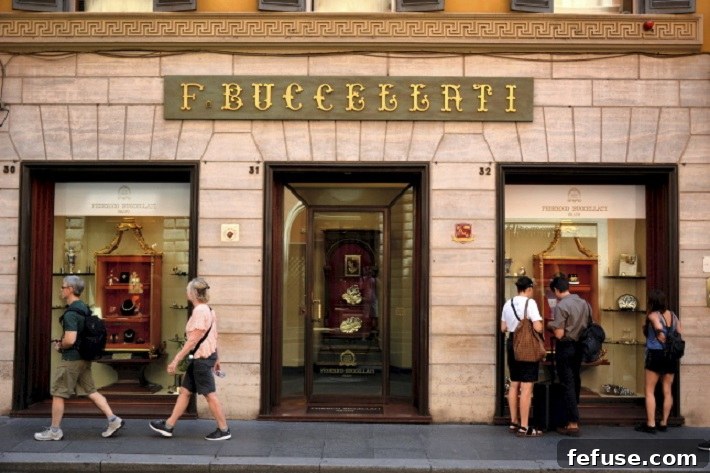
Cartier, often hailed as the “King of Jewelers,” continues to captivate with its iconic collections, while Van Cleef & Arpels’ poetic aesthetics and intricate craftsmanship maintain its strong appeal among connoisseurs. Buccellati, with its distinctive Renaissance-inspired designs, further contributes to the segment’s diverse offering and stellar performance. This robust growth underscores several key trends: the status of high jewelry as a resilient investment amidst economic uncertainties, the increasing demand from affluent consumers seeking lasting value and unique artistry, and the brands’ successful strategies in engaging a global clientele through exceptional experiences and innovative marketing. The emotional connection associated with luxury jewelry, coupled with its enduring beauty, ensures these brands remain highly sought after, driving consistent revenue streams for Richemont.
Specialist Watchmakers: Precision and Heritage Drive Growth
Richemont’s specialist watchmaking division also registered positive growth, with sales rising by 3 percent. This increase was notably propelled by a robust retail outperformance, particularly from esteemed brands like A. Lange & Söhne, IWC, Jaeger-LeCoultre, and Vacheron Constantin. These maisons represent the zenith of horological artistry, blending centuries of tradition with cutting-edge innovation.
The growth in this segment is particularly significant given the competitive nature of the luxury watch market. The “retail outperformance” indicates that direct-to-consumer channels, such as brand-owned boutiques, are proving highly effective in connecting with clients and delivering an immersive brand experience. This allows brands to control the narrative, showcase their intricate craftsmanship, and offer personalized services that are highly valued by luxury watch enthusiasts. A. Lange & Söhne’s German precision, IWC’s engineering excellence, Jaeger-LeCoultre’s inventiveness, and Vacheron Constantin’s timeless elegance each contribute uniquely to the division’s success. Collectors and enthusiasts are increasingly drawn to watches that offer historical significance, technical mastery, and exclusivity, aspects that these Richemont brands exemplify. The strategic focus on limited editions, heritage pieces, and direct client relationships has undoubtedly played a pivotal role in this positive trajectory, affirming the enduring appeal of mechanical watches as both objects of desire and significant investments.
Fashion and Accessories Maisons: Navigating a Shifting Landscape
In contrast to the strong performances of its jewelry and watch divisions, Richemont’s fashion and accessories maisons experienced a slight dip, with revenue falling by 1 percent. This segment, which includes brands like Chloé, Dunhill, and Alaïa, operates within a highly dynamic and often volatile market influenced by rapidly changing trends, intense competition, and evolving consumer preferences.
The marginal decline suggests potential headwinds or recalibrations within this part of the portfolio. Factors such as a general slowdown in discretionary spending on certain fashion items in specific markets, increased competition from emerging designers, or a need for strategic repositioning of some brands could contribute to this performance. Luxury fashion is particularly sensitive to global economic shifts and consumer sentiment. While the dip is minor, it signals an area where strategic adjustments or innovative approaches might be required to reignite growth. Richemont’s commitment to nurturing creativity and heritage within these brands remains strong, and future strategies may involve refreshing collections, enhancing digital engagement, and focusing on sustainable practices to resonate with a new generation of luxury consumers.
Geographic Performance: A Global Tapestry of Demand
A detailed look at Richemont’s geographic performance reveals a nuanced picture of global luxury demand, with significant variations across regions.
Japan: A Beacon of Growth
Japan emerged as the single strongest growth area for Richemont, with an impressive 18 percent increase in revenue. This stellar performance can be attributed to several factors, including a strong appreciation for luxury goods among local consumers, coupled with a significant resurgence in tourist spending. Japan’s cultural reverence for quality, craftsmanship, and brand heritage aligns perfectly with Richemont’s portfolio, making it a highly receptive market. The combination of robust domestic consumption and a flourishing tourism sector, particularly from other Asian markets, created an exceptionally favorable environment for luxury sales, positioning Japan as a critical engine of growth for the conglomerate.
Asia Pacific: The Largest Market’s Continued Expansion
Following closely, the Asia Pacific region, Richemont’s largest geographic market, saw a substantial 13 percent increase in revenue, reaching a staggering $2.23 billion. This region, encompassing key markets like mainland China, South Korea, and Southeast Asia, continues to be a powerhouse for luxury consumption. The growth signifies the enduring strength of the affluent consumer base in Asia, despite various economic fluctuations. While individual markets within APAC may experience unique dynamics, the overall upward trend underscores the region’s pivotal role in driving global luxury sales. Richemont’s strategic investments in retail infrastructure and localized marketing efforts in this vast and diverse market have clearly paid dividends, reinforcing its dominance.
Europe: Navigating Economic Headwinds
In contrast, revenue in Europe experienced a 3 percent dip. This decline suggests that the European market faced certain challenges during the quarter. Factors such as broader economic uncertainties, inflation pressures impacting consumer confidence, and potentially a recalibration of tourist spending patterns might have contributed to this performance. While Europe remains a vital market for luxury, particularly as a destination for high-end shopping and brand experience, the results indicate a more cautious spending environment compared to the booming Asian markets. Richemont will likely continue to monitor economic indicators and adapt its strategies to cater to the evolving demands and preferences of European consumers and international visitors to the region.
Distribution Channels: The Evolving Retail Landscape
Richemont’s report also shed light on the performance across its various distribution channels. All channels recorded sales growth, except for the online retail channel, where sales saw a 5 percent decrease. This particular insight is noteworthy in an era where digital transformation is often touted as the primary driver of growth.
The decline in online retail sales, while surprising to some, could indicate several trends. It might suggest a post-pandemic shift back towards in-store experiences for high-value luxury purchases, where clients prefer the personalized service, tactile interaction with products, and immersive atmosphere of physical boutiques. For items like high jewelry and specialist watches, the in-person consultation and assurance of authenticity and craftsmanship provided by a brand representative remain paramount. Furthermore, it could reflect a strategic decision by Richemont to prioritize direct-to-consumer physical retail over third-party online platforms, or perhaps a difficult comparative base from previous periods of accelerated online growth. While the overall trend suggests a robust return to physical shopping, Richemont will undoubtedly continue to refine its omnichannel strategy, ensuring a seamless and elevated experience across all touchpoints, from sophisticated e-boutiques to exclusive physical stores.
Strategic Outlook and Market Positioning
Richemont’s Q3 2023 results paint a picture of a dynamic luxury conglomerate adept at navigating a complex global economy. The robust performance of its jewelry and watchmaking maisons underscores the enduring power of heritage, craftsmanship, and exclusivity in the high-end luxury segment. The diversified geographic growth, particularly the stellar performance in Japan and continued expansion in Asia Pacific, highlights the shifting epicenters of luxury demand.
Looking ahead, Richemont is well-positioned to capitalize on global luxury trends. Its focus on timeless appeal, exceptional quality, and an immersive customer experience across its diverse brand portfolio will likely continue to drive success. While challenges in certain segments like fashion and specific geographies like Europe require ongoing strategic attention, the overall trajectory remains positive. The company’s commitment to sustainability, digital innovation, and maintaining the highest standards of luxury will be crucial in solidifying its leadership and ensuring sustained growth in the evolving landscape of global luxury.
The figures from the last quarter of 2023 reinforce the narrative of a luxury market that, while subject to regional nuances and sector-specific shifts, continues to demonstrate remarkable resilience. Richemont, with its strategic vision and iconic brands, is clearly at the forefront of this enduring allure, poised to continue its legacy of excellence and innovation well into the future.