
Kering Navigates Challenging Waters: Q3 Sales Decline Reflects Broader Luxury Market Slowdown
Kering, the renowned French luxury conglomerate, has reported a significant 13 percent decline in its third-quarter sales, signaling a period of recalibration for the luxury giant. The group, which commands an impressive portfolio of prestigious brands including Gucci, Yves Saint Laurent, Bottega Veneta, and a robust high jewelry division featuring Boucheron, Pomellato, and Qeelin, experienced a reduction in group revenue to €4.46 billion ($4.72 billion).
This downturn is attributed by Kering to an increasingly complex global economic environment and a noticeable softening in demand across the luxury sector. The Q3 performance underscores a broader trend within the luxury industry, which, after a period of exceptional post-pandemic growth, is now confronting a return to more normalized and, in some cases, challenging market conditions.
Macroeconomic Headwinds and Shifting Consumer Behavior
The luxury industry has been particularly susceptible to the confluence of various macroeconomic pressures. High inflation rates persist in key markets, eroding consumer purchasing power and leading to more cautious spending habits, especially among aspirational luxury buyers. Rising interest rates have also contributed to a general slowdown in economic activity, impacting disposable incomes globally. Geopolitical tensions and ongoing economic uncertainties in major consumption regions further complicate the landscape for luxury brands.
Furthermore, the exuberant “revenge spending” that characterized the immediate post-pandemic era has largely tapered off. Consumers, particularly in the United States and Europe, are shifting their spending patterns from goods back towards experiences, travel, and services. While ultra-high-net-worth individuals often remain insulated from these economic fluctuations, the broader base of luxury consumers is becoming more discerning and less impulsive in their purchases. The recovery in the crucial Chinese market has also been slower and more uneven than many luxury groups had initially anticipated, adding another layer of complexity to the global sales picture.
Fashion Houses Face Significant Pressure
Kering’s core fashion brands, which are the primary revenue drivers for the group, bore the brunt of the Q3 downturn. Sales for its flagship brand, Gucci, along with Yves Saint Laurent and Bottega Veneta, each saw declines of approximately 15 percent. This widespread dip across its most prominent fashion labels indicates that the challenges are not isolated to a single brand but rather reflect a systemic shift in consumer demand or market conditions affecting the segment.
Gucci’s Ongoing Transformation Amidst Challenges
Gucci, Kering’s largest brand and a significant contributor to its overall revenue, is currently undergoing a pivotal period of transformation. The brand is in the process of a major creative overhaul under the new creative direction of Sabato De Sarno, coupled with leadership changes at the CEO level. While such transitions are vital for long-term revitalization, they often entail short-term market adjustments and can temporarily impact sales as consumers await new collections and a refreshed brand identity.
The 15 percent drop at Gucci highlights the immediate challenges in re-engaging its core customer base while simultaneously appealing to new demographics. Analysts and investors are closely watching De Sarno’s forthcoming collections, which are expected to redefine Gucci’s aesthetic and strategic direction, hoping for a resurgence in consumer interest and sales momentum in the coming quarters.
Yves Saint Laurent and Bottega Veneta Also See Declines
Even brands like Yves Saint Laurent, which has consistently been a strong performer for Kering in recent years, experienced a similar 15 percent decline. This suggests that even the most robust performers within the luxury fashion segment are not immune to the prevailing market softness. Bottega Veneta, known for its understated luxury and artisanal craftsmanship, also reported a comparable drop in sales. These figures collectively paint a picture of a fashion luxury segment grappling with reduced consumer enthusiasm and potentially greater price sensitivity across a wider range of buyers.
Resilience in High Jewelry: Boucheron, Pomellato, and Qeelin Shine
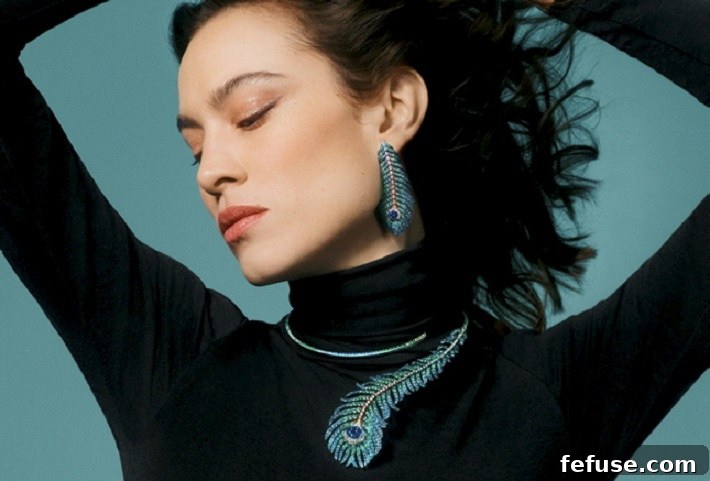
In contrast to the broader fashion segment, Kering’s “other houses” portfolio, which includes esteemed jewelers Boucheron, Pomellato, DoDo, and Qeelin, demonstrated remarkable resilience. Although this segment collectively experienced a 19 percent decline, Kering explicitly highlighted the robust performance of its jewelry maisons within this category. This indicates that while the overall division saw a dip, the luxury jewelry brands managed to outperform other components within the ‘other houses’ group.
Kering’s official statement underscored the positive trajectory of its hard luxury brands, asserting that “Boucheron’s positive performance reflects the success of its high jewelry and jewelry collections.” This success points to the enduring appeal of Boucheron’s exquisite craftsmanship, innovative designs, and strong heritage, which continue to attract discerning clients even in a challenging economic climate. High jewelry, often viewed as an investment or a timeless heirloom, tends to be less susceptible to transient fashion trends and economic fluctuations among the ultra-wealthy.
Similarly, “Pomellato achieved solid growth in its stores,” signifying effective retail strategies and a compelling product offering that resonates with its customer base. Pomellato’s distinctive, colorful designs and commitment to responsible sourcing likely contribute to its consistent appeal. Meanwhile, “Qeelin showed excellent momentum,” indicating strong growth and market penetration, particularly in its key Asian markets where its unique blend of traditional Chinese symbolism and modern luxury design holds significant appeal.
Strategic Importance of Hard Luxury
The positive performance of Kering’s jewelry maisons is strategically significant. The high jewelry and watch segments are known for their strong margins and their ability to attract and retain high-net-worth clients who are often less impacted by economic downturns. For Kering, continuing to invest in and grow these brands provides a crucial diversification strategy, balancing the more volatile fashion segment with the stability and long-term value inherent in hard luxury assets. This resilience confirms the luxury group’s strategic focus on strengthening its position in the high jewelry sector.
Looking Ahead: Kering’s Strategy for Recovery
Despite the current headwinds, Kering remains committed to its long-term strategic objectives. The group is expected to double down on initiatives aimed at revitalizing its key brands, particularly Gucci. This involves continuous investment in creative talent, innovative product development, enhancing the customer experience across all touchpoints, and strengthening its presence in high-potential markets. Efforts to optimize retail networks and digital platforms will also be critical in navigating the evolving luxury landscape.
The luxury market is undeniably undergoing a period of adjustment after years of unprecedented growth. Kering, like its peers, is adapting to this new reality by focusing on brand desirability, exceptional quality, and catering to the nuanced demands of a global luxury consumer base that is increasingly sophisticated and value-conscious. While the Q3 results present a clear challenge, the resilience shown by its jewelry brands offers a beacon of strength and a clear direction for strategic growth within the conglomerate.
As Kering moves forward, the ability to balance the necessary reinvention of its major fashion houses with the consistent growth of its high jewelry segment will be paramount. The coming quarters will be crucial in demonstrating the effectiveness of these strategies and in reaffirming Kering’s position as a leading force in the global luxury industry.