
Navigating Uncertainty: An In-Depth Look at Polished Diamond Prices and the Global Market Outlook for 2020
The dawn of a new year frequently ushers in a wave of optimism and anticipation across various sectors, and the global diamond industry is no exception. However, 2020 commenced with a striking resemblance to the preceding year’s conclusion, particularly concerning the trajectory of polished diamond prices. The market experienced a period of remarkable stagnation, characterized by minimal fluctuations and a notable absence of significant activity. This subdued start set a cautious tone, prompting industry analysts and stakeholders to closely monitor emerging trends and global economic indicators.
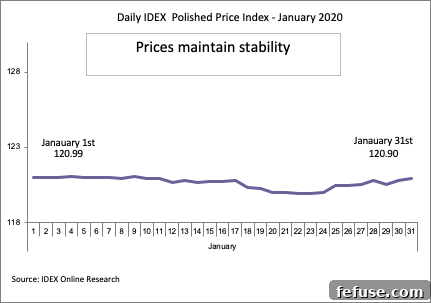
January’s performance, in what is becoming a recurring pattern for the diamond market outlook, began with polished prices hovering around 120.99 points. By the close of the month, this figure had barely shifted, settling at approximately 120.90 points. A minor dip was observed mid-month, creating a brief ripple of concern, but the market quickly corrected itself, returning to its established equilibrium. This consistent, almost static pricing suggests a cautious approach from buyers and sellers alike, indicative of underlying uncertainties rather than robust demand or supply pressures driving significant movement. The stability, while preventing further declines, also signifies a lack of strong upward momentum, crucial for the long-term health of the diamond industry.
Shifting Sands: De Beers Sight Results Offer a Glimmer of Hope
For the past several years, the polished diamond prices sector has grappled with persistent downward pressure, leaving many in the industry searching for signs of recovery. Amidst this challenging environment, the results from the first De Beers Sight of the year provided a much-needed injection of positivity. A ‘Sight’ in the diamond industry refers to a sales event where De Beers, the world’s leading diamond producer, offers rough diamonds to its exclusive clients, known as sightholders. These events are crucial barometers for the health and confidence of the raw diamond sales market, directly influencing future polished diamond supply.
The provisional valuation of this inaugural Sight reached an encouraging $545 million. This figure represents a significant improvement when compared to recent sales performances. To put this into perspective, the first Sight of 2019 generated approximately $500 million in sales, while the final sales event of 2019 managed to raise only $425 million. The increase in sales volume and value suggests a renewed, albeit cautious, appetite among sightholders for rough diamonds. This uplift could be attributed to various factors, including the clearing of accumulated inventory from the previous year, renewed confidence in forthcoming seasonal demand, or perhaps strategic purchasing ahead of anticipated market shifts. This robust start for De Beers Sight results hints at underlying resilience within the supply chain, potentially signaling a healthier ecosystem for diamond demand moving forward.
The Chinese New Year Dilemma: Optimism Derailed by Global Health Concerns
Traditionally, Chinese New Year (CNY) stands as a monumental event for the global luxury goods market, including diamonds. It typically triggers a substantial surge in consumer spending, with many predicting a pivotal uptick in diamond sales across Asia and beyond. Retailers and manufacturers alike invest heavily in inventory and marketing campaigns, anticipating robust demand for jewelry and other high-end products as gifts and personal indulgences during this festive period. The initial outlook for CNY 2020 was imbued with a strong sense of optimism, mirroring hopes for a prosperous new decade.
However, this carefully cultivated optimism was abruptly shattered by the unforeseen and rapid outbreak of the novel coronavirus in China. The virus’s rapid spread led to unprecedented public health measures, including extensive travel restrictions, city-wide lockdowns, and, crucially, the widespread cancellation of CNY celebrations. For a holiday built around family gatherings, travel, and public festivities, these cancellations had a devastating impact on consumer behavior. China, a vital engine for the global luxury market and a significant driver of diamond demand, found itself under a de facto lockdown, severely limiting retail activity and discretionary spending.
The economic fallout was immediate and palpable. News quickly emerged of major luxury goods companies shutting down stores not only across mainland China but also in key regional hubs like Hong Kong, which relies heavily on tourist spending. These closures, combined with a pervasive atmosphere of fear and uncertainty, dampened consumer spirits considerably. The ability for consumers to visit stores, attend social events where jewelry is often showcased, or even possess the inclination to make non-essential purchases was severely curtailed. The repercussions of the coronavirus effect on luxury began to ripple globally, demonstrating the interconnectedness of international markets and the vulnerability of discretionary spending during times of crisis.
Valentine’s Day: A Beacon Amidst the Storm?
Despite the considerable headwinds presented by the situation in China, the diamond industry traditionally looks towards Valentine’s Day as another critical sales period. There remains a strong sentiment that this celebration of love could still prove to be robust, potentially compensating for some of the losses incurred during the disrupted Chinese New Year. Valentine’s Day, celebrated globally, often sees a significant surge in demand for diamond jewelry, particularly engagement rings and other romantic gifts. Marketing efforts often pivot to capitalize on this tradition, emphasizing diamonds as timeless symbols of affection and commitment.
An interesting, albeit perhaps less impactful, factor for 2020 was the occurrence of a leap year. While the additional day might not directly correlate with a surge in diamond buying, it does represent an extended period for retail promotions and offers a slight expansion of the consumer shopping window. Whether this extra day translates into a measurable boost in sales, or if broader economic and health concerns will overshadow it, remains a subject of ongoing observation. Industry players are keenly watching consumer sentiment in Western markets, hoping that the romantic allure of diamonds can transcend the current global anxieties and provide a much-needed uplift to jewelry market performance.
Global Instability and the Unpredictable Future of the Diamond Market
As 2020 unfolds, a pervasive sense of global instability permeates the economic landscape, casting a long shadow over the diamond market outlook. Several high-profile geopolitical and health events contribute to this uncertainty, making accurate predictions exceptionally challenging for the diamond industry trends.
Firstly, the upcoming elections in the United States, the world’s largest market for luxury goods and diamonds, introduce an element of domestic uncertainty. Presidential election years can often lead to cautious consumer spending as economic policies and future stability become subjects of intense debate. Changes in administration or significant policy shifts could influence consumer confidence, affecting discretionary purchases like diamond jewelry.
Secondly, the United Kingdom’s long-anticipated departure from the European Union, commonly known as Brexit, has finally materialized. While the immediate consequences were absorbed into market expectations, the longer-term economic implications for trade, currency stability, and consumer sentiment across Europe are still unfolding. The UK is a significant market for luxury goods, and any economic slowdown or trade friction could impact overall diamond demand in the region.
Most critically, the looming possibility that the coronavirus could escalate into a worldwide pandemic presents the most significant threat. A global pandemic would trigger widespread economic disruption, supply chain breakdowns, unprecedented travel restrictions, and a severe downturn in consumer confidence across all sectors, including luxury. Such a scenario would undoubtedly have a profound and sustained negative impact on polished diamond prices, manufacturing capabilities, and global distribution channels. The ripple effects of reduced international tourism, dampened discretionary spending, and widespread economic anxiety could fundamentally alter the landscape for the luxury goods market for an extended period.
In such an unpredictable environment, 2020 feels profoundly unstable. The confluence of geopolitical shifts, economic uncertainties, and a looming global health crisis creates a complex web of challenges for the diamond industry. How these various factors will interact and ultimately shape the trajectory of diamond market trends remains anyone’s guess, requiring constant vigilance and adaptability from all stakeholders. The industry stands at a critical juncture, facing both the possibility of resilience and the stark reality of unprecedented global challenges.
News Source: idexonline