
Pandora’s European Distribution Hub in Hamburg Hit by Devastating Fire: Navigating the Aftermath and Supply Chain Resilience
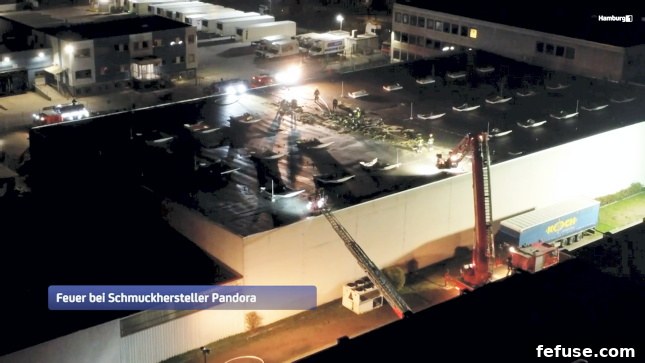
In a significant development that sent ripples through the global retail and logistics sectors, Pandora, the renowned Danish jewelry brand, confirmed that its vital European distribution center in Hamburg, Germany, has sustained considerable damage following a major fire. The incident, which reportedly originated in the roof and attic area of the facility, has prompted immediate concerns about the company’s operational continuity and its capacity to service its extensive European market.
While Pandora has assured stakeholders that a full assessment of the damage to both the building structure and its valuable inventory is currently underway, a crucial positive point amidst the disruption is the confirmation that no injuries were reported. This adherence to safety protocols during such a critical event underscores the importance of robust emergency response systems in large-scale industrial facilities.
The Incident: A Closer Look at the Blaze in Hamburg
The fire department detailed that the blaze, which ignited within the attic section of the warehouse situated on Hans-Dunker-Strasse, rapidly escalated. Heavy smoke and significant flames quickly spread across an extensive area, estimated to be approximately 40 meters by 100 meters. The scale of the fire indicates a formidable challenge for emergency services and a substantial loss for Pandora in terms of structural integrity and potential inventory impact. While investigations are ongoing, the precise cause of the fire remains unclear, adding a layer of complexity to the recovery efforts.
This particular facility is far more than just a storage unit; it serves as the cornerstone of Pandora’s European distribution network. Its strategic location in Hamburg, a major logistics hub, makes it indispensable for efficiently channeling jewelry products to numerous markets across the continent. The disruption at such a pivotal node inevitably raises questions about immediate delivery capabilities and the long-term strategic adjustments Pandora will need to implement.
Pandora’s Immediate Response and Market Safeguards
In response to the unforeseen challenge, Pandora has moved swiftly to outline its contingency plans, demonstrating a proactive approach to mitigate potential service interruptions for its European customers. The company stated that “other points of distribution will to the furthest possible extent service the European markets.” This indicates a reliance on a diversified logistics network, a critical component of modern supply chain resilience, which allows for rerouting and leveraging alternative hubs during crises.
Furthermore, Pandora anticipates that its robust online sales channels are expected to “continue more or less unaffected through external partners.” This highlights the crucial role of e-commerce infrastructure and third-party logistics (3PL) providers in ensuring business continuity. In today’s interconnected retail landscape, a resilient online presence and flexible fulfillment strategies are paramount, especially when physical distribution centers face unforeseen setbacks.
Broader Implications for Global Supply Chains and Retail Logistics
The incident at Pandora’s Hamburg facility serves as a stark reminder of the inherent vulnerabilities within even the most sophisticated global supply chains. Distribution centers are the lifeblood of modern retail, acting as critical intermediaries between manufacturing and the end consumer. Any disruption, whether from natural disaster, technological failure, or an accidental fire, can have significant cascading effects across an entire operational network. For a global brand like Pandora, known for its intricate jewelry collections and seasonal releases, maintaining an uninterrupted flow of products is crucial for brand reputation and market share.
The challenges presented by this fire extend beyond mere inventory replacement. They encompass logistical rerouting complexities, potential delays in new product launches, increased shipping costs due to alternative arrangements, and the extensive efforts required for rebuilding or establishing new operational capacities. The incident underscores the critical importance of strategic geographical diversification of distribution hubs, enabling companies to absorb shocks in one location without paralyzing their entire regional or global operations.
Key Elements of Supply Chain Resilience in Focus:
- Diversified Distribution Networks: Relying on multiple distribution points to prevent single points of failure. Pandora’s statement about leveraging “other points of distribution” exemplifies this strategy.
- Contingency Planning: Developing detailed emergency plans for various disaster scenarios, including fire, natural disasters, and geopolitical disruptions.
- Robust Insurance Coverage: Ensuring comprehensive insurance policies cover physical assets, inventory, business interruption, and potential lost revenue.
- Third-Party Logistics (3PL) Partnerships: Collaborating with external logistics providers who offer flexibility and additional capacity during times of crisis. Pandora’s continued online sales through “external partners” demonstrates the value of such alliances.
- Real-time Inventory Management: Utilizing advanced technology to track inventory levels across all locations, enabling quicker reallocation and fulfillment adjustments.
- Communication Strategy: Maintaining transparent and timely communication with customers, retailers, and investors to manage expectations and uphold brand trust.
- Employee Support: Ensuring the well-being and continued employment of staff affected by such incidents, potentially through temporary reassignments or remote work solutions.
Navigating the Path to Recovery and Long-Term Strategy
For Pandora, the recovery process will be multifaceted and demanding. It will involve meticulous damage assessment by structural engineers and inventory specialists, followed by decisions regarding repair, reconstruction, or relocation. The timeline for full operational recovery of such a large and complex facility can span many months, if not longer, depending on the extent of the damage and regulatory approvals. During this period, the efficacy of Pandora’s alternative distribution channels will be rigorously tested, especially leading into peak retail seasons like the upcoming holidays, where efficient stock replenishment is paramount for jewelers.
This event also provides an opportunity for Pandora to re-evaluate and potentially enhance its entire European logistics strategy. It could lead to investments in more advanced fire suppression systems, redundant IT infrastructure, or even a rebalancing of distribution capacities across its various European hubs to further decentralize risk. Furthermore, the incident will undoubtedly factor into future risk assessments and business continuity planning across the retail industry, serving as a powerful case study for disaster preparedness.
Pandora’s Market Position and the Significance of European Operations
Pandora stands as one of the world’s largest jewelry brands, celebrated for its customizable charm bracelets, rings, necklaces, and earrings. Its global appeal is heavily reliant on an efficient manufacturing-to-market pipeline. The European market represents a significant portion of Pandora’s revenue and customer base, making the Hamburg distribution center a strategic asset. Disruptions here could potentially impact market share, particularly if competitors are able to capitalize on any perceived delays or stock shortages. The brand’s ability to swiftly adapt and maintain customer satisfaction through this challenging period will be crucial in preserving its strong market position.
The incident in Hamburg underscores that even industry giants are susceptible to operational setbacks. However, it also highlights the resilience built into well-managed global enterprises through proactive planning and investment in robust logistics architectures. Pandora’s immediate transparent communication and quick articulation of its mitigation strategies are critical steps in managing stakeholder expectations and reassuring the market of its capacity to navigate this crisis.
Lessons for the Industry: Reinforcing Fire Safety and Redundancy
This unfortunate event at Pandora’s facility serves as a vital reminder for all businesses operating large-scale warehouses and distribution centers to continually review and upgrade their fire safety protocols. Regular inspections, advanced sprinkler systems, comprehensive evacuation plans, and employee training are indispensable. Beyond prevention, the incident emphasizes the crucial role of redundancy in logistics. Companies must ask themselves: what happens if our primary hub is incapacitated? Having secondary or tertiary options, whether owned or through partnerships, is no longer a luxury but a fundamental necessity for business continuity in a volatile global economy.
In conclusion, while the fire at Pandora’s European distribution center in Hamburg presents a substantial challenge, the company’s swift response and reliance on existing contingency plans offer a path forward. The focus on leveraging alternative distribution points and maintaining unaffected online sales channels demonstrates a practical approach to mitigating immediate disruption. As Pandora navigates the complexities of damage assessment and recovery, the broader retail and logistics industries will be closely observing, drawing valuable insights into strengthening their own operational resilience in an unpredictable world.