
Unmasking the True Cost of Glamour: Human Rights in the Jewellery Supply Chain
The glittering facade of the global jewellery industry often conceals a darker reality: a complex supply chain fraught with significant human rights risks. A recent scathing report from Human Rights Watch (HRW), titled ‘The Hidden Cost of Jewellery: Human Rights in Supply Chains and the Responsibility of Jewellery Companies,’ has cast a critical eye on the industry’s major players. The report scrutinizes the practices of 13 prominent companies, including household names like Pandora, Cartier, and Tiffany & Co, revealing a worrying over-reliance on industry watchdogs, particularly the Responsible Jewellery Council (RJC), which HRW asserts offers a “weak assurance” of ethical practices.
The Imperative for Ethical Sourcing: Why Human Rights Matter in Jewellery
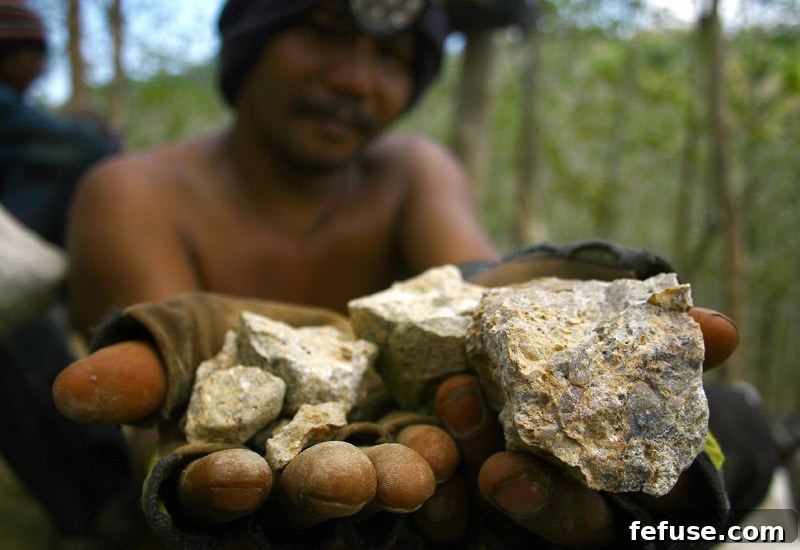
For far too long, the journey of gold and diamonds from mine to market has been plagued by human rights abuses. These include, but are not limited to, child labour, forced labour, unsafe working conditions, exploitation of workers, land disputes, environmental degradation, and violence against local communities. As consumer awareness grows, so does the demand for transparency and accountability within the supply chain. Companies are increasingly expected to demonstrate that their products are not contributing to these harms, making “responsible sourcing” a critical benchmark for brand integrity and consumer trust.
HRW’s investigation delves into how leading jewellery brands are (or are not) addressing these inherent human rights risks within their gold and diamond supply chains. While acknowledging that some top firms have taken commendable steps towards meeting international responsible sourcing standards, the report highlights a pervasive issue: many are “over-reliant” on the Responsible Jewellery Council (RJC) for their crucial human rights due diligence processes. This dependence, HRW warns, provides a dangerously “weak assurance” that ethical standards are truly being met across the supply chain.
The Responsible Jewellery Council: A Beacon or a Blind Spot?
The Responsible Jewellery Council (RJC) was founded in 2004 by 14 pioneering companies and trade associations with the ambitious goal of becoming a leader for responsible business practices in the jewellery industry. Today, it boasts an impressive membership of over 1,000 entities spanning the entire jewellery supply chain, from raw material mining companies to global brands and retailers. RJC members are mandated to commit to and undergo audits against the Code of Practices, a comprehensive standard designed to outline responsible business conduct. Companies also have the option to adhere to an additional standard, the Chain-of-Custody Standard, which aims to further enhance traceability and responsible practices.
The RJC has positioned itself as the preeminent authority for ethical sourcing within the sector, often serving as a primary reference point for companies seeking to demonstrate their commitment to responsibility. Its certification is widely used by brands to label their gold and diamonds as ‘responsible,’ thereby influencing consumer perception and purchasing decisions. However, HRW’s findings challenge this perception, asserting that RJC membership itself is “no guarantee” of responsibly sourced jewellery. The report fundamentally questions the effectiveness of the RJC’s governance, standards, and certification systems, arguing that they are “flawed,” and potentially allow companies to achieve RJC certification even if they fall short of basic human rights standards.
HRW’s Critical Assessment: Flaws in Governance, Standards, and Auditing
The Human Rights Watch report meticulously dissects the structural weaknesses within the RJC, presenting a compelling argument that its current framework is insufficient to genuinely ensure human rights protection. Three key areas of concern emerge:
1. Governance Flaws: An Industry-Dominated Board
A central criticism leveled by HRW concerns the RJC’s governance structure. The report points out that the RJC board is composed exclusively of 25 industry representatives, each hailing from different segments of the supply chain—from mining operations to retail outlets. This industry-centric composition raises significant questions about impartiality and potential conflicts of interest. The board wields considerable power, responsible for appointing the chief executive officer, approving new or revised RJC standards and certification models, and making other crucial strategic decisions. While the RJC does engage with civil society and includes representatives on its standard-setting committee, HRW categorizes it primarily as an “industry body.”
The report highlights the critical absence of diverse voices within the RJC’s core decision-making bodies. Consumer groups, representatives from mining communities (such as organizations addressing land rights or environmental harm), trade unions, miners’ associations, and independent human rights non-governmental organizations (NGOs) are conspicuously missing. This lack of external, independent oversight and representation from affected communities creates a systemic bias, potentially prioritizing commercial interests over robust human rights safeguards and genuine accountability.
2. Standards Deficiencies: The Code of Practices Under Scrutiny
HRW’s examination of the RJC’s foundational documents, including the Code of Practices and the Chain-of-Custody Standard, concluded that they offer “little assurance” that a company’s products are responsibly sourced. The research uncovered instances where certified RJC members were found to be sourcing gold or diamonds mined under “abusive conditions,” even while maintaining compliance with the RJC’s standards. This suggests that the existing standards may be too vague, lack specificity, or contain loopholes that permit companies to appear compliant on paper while failing to adequately address human rights risks in practice. Such a discrepancy undermines the very purpose of responsible sourcing certifications, creating a false sense of security for both businesses and consumers.
3. Auditing Process Weaknesses: A Gap Between Theory and Practice
The effectiveness of any certification scheme hinges on its auditing process. HRW’s report implies that the RJC’s auditing mechanisms may not be rigorous enough to detect actual human rights abuses. If companies can source from abusive conditions and still pass audits, it points to a potential failure in the audit methodology, frequency, depth, or the expertise of the auditors themselves. A robust auditing system requires independent, unannounced, and thorough assessments that go beyond superficial checks, delving into on-the-ground realities and engaging directly with workers and communities.
The Peril of Over-Reliance and the Call for True Due Diligence
The HRW report’s central message is clear: the current state of affairs, where many jewellery companies are “over-reliant” on the RJC for their human rights due diligence, is untenable. This over-reliance creates a dangerous complacency within the industry. True human rights due diligence, as outlined by international frameworks like the OECD Due Diligence Guidance for Responsible Supply Chains of Minerals from Conflict-Affected and High-Risk Areas, demands a far more proactive, comprehensive, and continuous approach. It involves:
- Establishing strong company management systems.
- Identifying and assessing risks in the supply chain.
- Designing and implementing strategies to respond to identified risks.
- Carrying out independent third-party audits of supply chain due diligence.
- Reporting annually on supply chain due diligence.
Merely obtaining RJC certification, in its current form, does not substitute for these critical steps. Companies like Pandora, Cartier, and Tiffany & Co, despite their public commitments, are urged to go beyond mere compliance and embed robust human rights considerations throughout their entire operations.
A Glimmer of Hope: The RJC’s Ongoing Review and the Path Forward
Recognizing the growing pressure and perhaps anticipating such critiques, the RJC’s Code of Practices was reportedly under review at the time of HRW’s report. A new version of the Code, which was announced for the end of 2018, was expected to incorporate more specific requirements for human rights due diligence, aligning more closely with the detailed principles articulated in the OECD Due Diligence Guidance. This review presents a critical opportunity for the RJC to address its fundamental flaws, strengthen its standards, diversify its governance, and enhance the credibility of its certification. The effectiveness of these revisions, and the extent to which they genuinely translate into improved human rights outcomes on the ground, will be crucial for the future of responsible sourcing in the jewellery sector.
For consumers, this report serves as a vital reminder to look beyond simple certifications and demand greater transparency from their chosen brands. For the jewellery industry, it is a wake-up call to move beyond token gestures and embrace a deeper, more systemic commitment to human rights throughout every stage of the supply chain. The journey from mine to sparkle must not come at the cost of human dignity.
(Note: Professional Jeweller reached out to the RJC for comment following the report’s release. Specific response details are beyond the scope of this article but highlight the ongoing dialogue within the industry.)
Source inspiration: professionaljeweller.com