
India’s Gold Reserves Surge: Nearing Top-10 Global Holders Amidst Central Bank Buying Spree
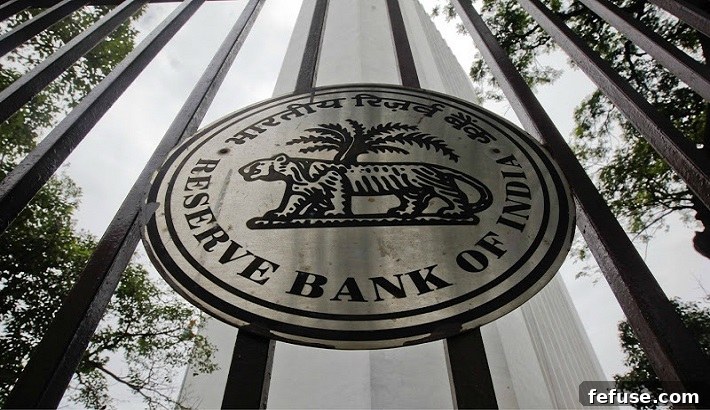
The global financial landscape is witnessing a notable shift in how central banks manage their foreign exchange reserves, with gold re-emerging as a pivotal strategic asset. At the forefront of this trend is the Reserve Bank of India (RBI), which is rapidly climbing the ranks of the world’s largest gold holders. Recent data indicates that India is poised to soon displace the Netherlands from the coveted top-10 list, a move signaling both India’s growing economic stature and a broader recalibration of international reserve management strategies.
In a significant development that underscores its strategic approach to reserve management, the Reserve Bank of India added a substantial 6.5 tonnes of gold to its reserves in January alone. This latest acquisition pushed India’s total gold holdings, which form a crucial component of its foreign exchange reserves, to an impressive 607 tonnes. This upward trajectory places the RBI tantalizingly close to becoming the tenth-largest holder of the precious metal worldwide, setting its sights on surpassing the Netherlands.
According to comprehensive data released by the World Gold Council (WGC) in late 2018 and early 2019, India’s share of gold held globally has been on a consistent upward trend. By the close of 2018, India accounted for 6.2 percent of the world’s gold reserves, a figure that has only continued to climb in the initial month of 2019. This persistent accumulation reflects a deliberate policy choice by the RBI to bolster its gold reserves, aligning with a broader global pattern among central banks.
The Global Gold Rush: Central Banks Seek Diversification
The increasing appetite for gold is not unique to India; it represents a significant, widespread phenomenon across the globe, particularly among central banks. A notable observation from recent years is that even as the U.S. dollar has demonstrated periods of strengthening, many central banks have actively pursued strategies to increase their gold holdings. This seemingly counter-intuitive move highlights a fundamental desire among monetary authorities to diversify their reserves away from traditional fiat currencies, most notably the U.S. dollar.
Gold is widely regarded as a superior hedge against currency volatility and inflation compared to other major currencies. Its intrinsic value, coupled with its historical role as a store of wealth, makes it an attractive asset during periods of economic and geopolitical uncertainty. Central banks, tasked with safeguarding national financial stability, increasingly perceive gold as an essential component of a robust reserve portfolio, offering a crucial layer of protection against systemic risks that may impact the value of paper assets.
The World Gold Council’s January report corroborated this global trend, revealing a substantial increase in net global gold reserves. The month saw a net accumulation of 35 tonnes of gold by central banks, a figure derived from gross purchases totaling 48 tonnes and gross sales of 13 tonnes. This net increase was driven by sizable acquisitions from no less than nine central banks, signaling a broad-based commitment to gold accumulation across various nations.
Netherlands’ Static Position Contrasts with Emerging Market Dynamism
While India and many other nations are actively building up their gold reserves, the Netherlands presents a contrasting picture. Despite currently holding the tenth position with 612.5 tonnes, the Dutch central bank’s gold holdings have remained largely unchanged over the past decade. This static position places them just 5.5 tonnes ahead of the rapidly expanding Reserve Bank of India, making it highly probable that India will soon surpass them.
The Netherlands’ consistent gold inventory can be partly attributed to its historical policies. Indeed, a decade ago, the Dutch central bank was actively reducing its gold holdings under various agreements with other European central banks. These agreements, such as the Central Bank Gold Agreement (CBGA) series, aimed to coordinate sales of gold to prevent market disruption and reflect evolving views on reserve management within the Eurozone. While many European nations stabilized or even reduced their gold allocations during those periods, emerging markets have since moved in the opposite direction, actively buying gold to bolster their financial independence and stability.
Insights from the World Gold Council
Alistair Hewitt, the Director of Market Intelligence at the World Gold Council, provided insightful commentary on these trends, emphasizing the sustained demand for gold among central banks. He stated, “Following the multi-decade high in gold reserve growth in 2018, central banks’ appetite remained healthy at the start of 2019. Gross purchases of 48 tonnes and gross sales of 13 tonnes led to global gold reserves rising by 35 tonnes on a net basis in January, with sizeable increases from nine central banks. This is the largest January increase in gold reserves in our records (going back to 2002) and illustrates the recent strength in gold accumulation.”
Hewitt further elaborated on the driving forces behind this demand, noting, “Demand was concentrated among emerging market central banks with diversification being the key driver in the face of ongoing geopolitical and economic uncertainty.” He also added a technical note, “Please note that our data set now includes gold reserves data for Uzbekistan back to December 2017,” highlighting the WGC’s continuous effort to provide comprehensive and up-to-date information on global gold holdings. This focus on emerging markets underscores a strategic shift away from over-reliance on a single reserve currency, often the U.S. dollar, in favor of a more balanced and resilient portfolio.
The year 2018 was particularly significant for the gold market, witnessing central banks collectively purchase over 600 tonnes of gold. This staggering volume, predominantly led by emerging market economies, marked the highest level of central bank gold accumulation in the past five decades. Such robust buying indicates a strong and enduring conviction among monetary authorities regarding gold’s critical role in national reserve management, particularly in an environment characterized by increasing global economic fragilities and geopolitical tensions.
Strategic Implications of Gold Accumulation
The ongoing accumulation of gold by central banks, especially those in emerging markets like India, carries several strategic implications for global finance. Firstly, it reflects a growing desire among non-Western powers to reduce their dependence on the U.S. dollar, thereby fostering greater financial autonomy and mitigating risks associated with potential shifts in U.S. monetary policy or geopolitical actions. Secondly, it signals a collective acknowledgment of gold’s enduring value as a safe-haven asset, capable of preserving wealth during times of economic crisis, currency devaluation, or inflationary pressures.
Moreover, the increased demand for gold from official sectors provides a strong underlying support for gold prices in the international market. This sustained buying pressure, alongside investment demand and consumer purchasing, helps to stabilize and potentially drive up the value of gold, reinforcing its appeal as a viable and strategic asset. For countries like India, with a significant cultural affinity for gold and a large consumer market, increasing official reserves also adds a layer of confidence and stability to the national economy.
As the global economic order continues to evolve, characterized by shifting power dynamics and persistent uncertainties, the strategic repositioning of central bank reserves is likely to remain a prominent feature. India’s imminent ascension into the top-10 list of gold-holding nations is not just a statistical milestone; it is a clear indicator of a wider, more profound trend towards de-dollarization and enhanced financial resilience through the age-old, yet ever-relevant, asset of gold.