
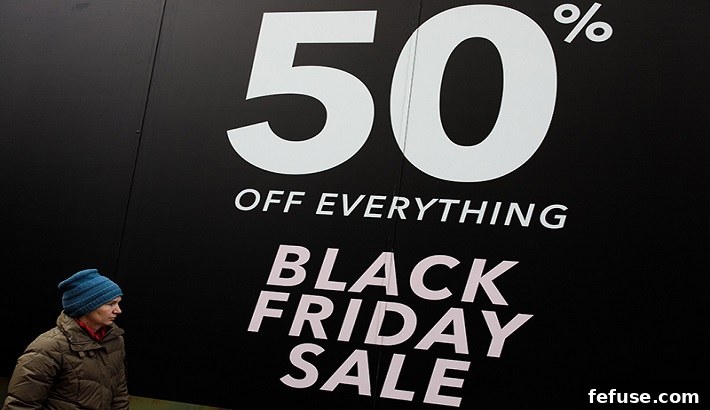
Navigating Black Friday 2020: The Unprecedented Impact of Lockdown on UK Retail Footfall
Black Friday, traditionally a cornerstone event in the annual retail calendar, experienced an unprecedented transformation in 2020, particularly within the United Kingdom. Data revealed a dramatic shift in consumer shopping patterns, largely influenced by England’s stringent four-week lockdown, which mandated the closure of all non-essential retail establishments until December 3rd. This critical period forced a re-evaluation of how consumers engage with the highly anticipated sales event, pushing the retail landscape further into the digital realm.
A Stark Decline in Physical Retail Presence
The most striking indicator of this shift was the projected decline in physical retail footfall. Insights from Springboard, a leading authority in retail intelligence, forecasted a staggering drop of nearly 60% in retail footfall compared to 2019 figures. More precisely, Black Friday itself was predicted to see a 59% reduction in store visits, with the entire weekend experiencing a similar 58% decrease year-on-year. These figures underscore the profound impact of government-imposed restrictions and evolving consumer confidence on in-store shopping behaviors.
It’s crucial to note that these overall footfall figures were somewhat cushioned by the continued operation of essential retailers. Supermarkets, pharmacies, and other fundamental service providers remained open, drawing a consistent level of foot traffic that prevented an even more severe aggregate decline. Without the presence and activity of these essential businesses, the slump in physical retail would have been significantly more pronounced, highlighting their foundational role during periods of crisis.
The Digital Surge: Online Shopping and Click-and-Collect to the Rescue
The Accelerated Shift to E-commerce
In the face of shuttered high streets and shopping centres, the digital sphere emerged as the undisputed champion of Black Friday 2020. Springboard’s data strongly suggested that online shopping, coupled with innovative fulfillment options like click-and-collect, would provide a much-needed lifeline for non-essential retailers. With physical stores largely inaccessible, consumers had no alternative but to turn to e-commerce platforms to secure their Black Friday deals.
Diane Wehrle, Insights Director at Springboard, succinctly captured the essence of the situation, commenting: “It goes without saying that Black Friday this year will be like no other.” She elaborated on the historical context, noting Black Friday’s relatively recent establishment as a UK retail fixture since 2013, with previous year-on-year footfall shifts ranging from modest gains of +9.8% (2014) to slight declines of -5.4% (2018). These historical fluctuations pale in comparison to the seismic shift witnessed in 2020. “Needless to say, due to the lockdown in England, all products bar those available in essential stores will need to be purchased online, so online spend will undoubtedly increase substantially,” Wehrle stated. This mandatory pivot to online purchasing not only compensated for lost in-store sales but also solidified e-commerce as an indispensable channel for modern retail.
The Vital Role of Click-and-Collect
While direct online delivery surged, click-and-collect services offered a hybrid solution that bridged the gap between digital convenience and physical interaction. For many non-essential retailers, the ability to offer click-and-collect facilities represented their sole avenue for physically distributing goods during the lockdown. This service allowed shoppers to browse and purchase items online from the comfort and safety of their homes, then pick them up from a designated store location, often with minimal contact. This model, also known as BOPIS (Buy Online, Pick Up In Store), proved invaluable, providing a crucial mechanism for sales fulfillment when traditional in-store browsing was prohibited. It offered a practical compromise, blending the benefits of immediate acquisition with the safety protocols necessitated by the pandemic.
Historical Context and Evolving Retail Landscape
Black Friday’s journey in the UK has been relatively short but impactful. Originating from the United States, it gained significant traction in British retail around 2013, quickly becoming a key event that often kicked off the Christmas shopping season. Its early years saw massive queues and even skirmishes as consumers vied for limited-time deals. However, even before the pandemic, there was a gradual trend towards more subdued in-store activity and a greater emphasis on online promotions. The 2020 figures represent not just an acceleration of this trend but a complete paradigm shift, forcing retailers and consumers alike to adapt at an unprecedented pace. This year’s Black Friday performance, therefore, serves as a critical benchmark for understanding the future trajectory of retail, moving beyond mere seasonal fluctuations to fundamental structural changes.
Differentiated Impact Across Retail Locations
The report from Springboard also shed light on how different types of retail locations fared under the lockdown conditions. The impact was far from uniform, with some areas demonstrating greater resilience than others:
- Retail Parks: Resilience Amid Change (-30.7% footfall): Retail parks experienced a comparatively lesser impact on their year-on-year footfall figures. This resilience can largely be attributed to the architectural and tenant mix of these locations. Approximately 75% of retail parks host large supermarkets or essential retailers, which remained open and continued to attract shoppers. Their spacious layouts also often allowed for easier social distancing, further contributing to their relative stability during the crisis. Many also have larger car parks facilitating easier click-and-collect operations.
- High Streets: Facing the Brunt (-67.3% footfall): Traditional high streets, dense with independent boutiques, cafes, and smaller chain stores, suffered the most significant decline in footfall. With non-essential shops closed and a general reluctance for leisurely browsing, the vibrant heart of many towns and cities fell largely silent. The communal aspect of high street shopping, often a major draw, was severely curtailed.
- Shopping Centres: Adapting to New Realities (-64.7% footfall): Shopping centres also faced substantial challenges, experiencing a nearly two-thirds drop in visitors. Their enclosed environments and concentration of non-essential retailers made them particularly vulnerable to lockdown measures. While some larger centres might house essential stores, the overall experience of a mall relies heavily on diverse offerings and the ability to browse, which was simply not possible.
This differential impact underscores the importance of a diverse tenant mix and adaptable physical layouts in navigating future disruptions. Retail parks, with their hybrid model of essential services and ample space, offered a template for partial operational continuity that traditional high streets and large shopping centres struggled to replicate.
Beyond Black Friday: Long-Term Implications for UK Retail
The events of Black Friday 2020 are not isolated incidents but rather critical indicators of a broader, accelerated transformation within the retail sector. The forced shift to online purchasing and the reliance on services like click-and-collect will have profound and lasting implications for how businesses operate and how consumers shop in the years to come.
Changing Consumer Behavior
The pandemic has fundamentally altered consumer habits and priorities. Safety and convenience have moved to the forefront, pushing many who were previously hesitant about online shopping to embrace digital channels. This newfound comfort with e-commerce, coupled with the efficiency of services like click-and-collect, is likely to persist even after restrictions ease. Consumers have experienced the convenience of doorstep delivery and quick pickups, raising expectations for seamless, omnichannel experiences from retailers. Furthermore, a greater focus on value, local businesses, and ethical consumption may also become more prevalent.
The Future of Bricks-and-Mortar
While online sales continue to grow, the demise of physical retail is far from certain. Instead, the role of bricks-and-mortar stores is evolving. They are increasingly becoming experience hubs, showrooms, and critical points for online order fulfillment (e.g., click-and-collect, returns). Retailers will need to reimagine their physical spaces, focusing on creating engaging environments that complement their digital offerings rather than simply replicating them. The integration of online and offline strategies will be key, with stores serving as vital touchpoints in a broader, cohesive customer journey.
Retailer Adaptation and Innovation
The 2020 experience has served as a powerful catalyst for digital transformation across the retail industry. Businesses that had lagged in their online presence were forced to accelerate their digital strategies, investing in e-commerce platforms, logistics, and customer service infrastructure. Looking ahead, successful retailers will be those who can innovate rapidly, offering flexible shopping options, personalized experiences, and robust supply chains. This might include extended sales periods beyond a single Black Friday, leveraging data analytics for targeted marketing, and fostering strong community connections.
Leveraging Data for Strategic Decisions
The detailed footfall data provided by organizations like Springboard is more critical than ever. In an uncertain retail environment, understanding real-time trends and consumer responses to external factors is vital for strategic planning. This data empowers retailers to make informed decisions about store operations, inventory management, marketing campaigns, and investments in new technologies. By meticulously tracking these shifts, businesses can better anticipate future challenges and opportunities, ensuring agility and resilience in an ever-changing marketplace.
In conclusion, Black Friday 2020 marked a definitive turning point for UK retail. While the immediate impact of lockdown resulted in a significant drop in physical footfall, it simultaneously propelled online shopping and innovative fulfillment methods like click-and-collect into the spotlight. The event served as a stark reminder of retail’s adaptability and the irreversible shift towards a more integrated, digitally-driven consumer experience. The lessons learned from this extraordinary period will undoubtedly shape the future strategies of retailers, guiding them towards a more resilient and omnichannel approach.
News Source
Originally reported by professionaljeweller.