
Navigating the Nuances of the Jewelry World: From Legal Battles to Emerging Trends
The global jewelry industry is a fascinating realm, a vibrant tapestry woven with threads of timeless tradition, cutting-edge innovation, complex business challenges, and ever-evolving consumer tastes. From high-stakes legal battles that shape brand destinies to the intricate art of identifying invaluable antique pieces, and from the nitty-gritty of trade practices to the sparkling emergence of new design trends, this sector is in constant motion. Staying abreast of these multifaceted developments is crucial for industry professionals, enthusiasts, and savvy consumers alike. This comprehensive overview delves into recent pivotal moments and enduring insights that underscore the dynamic nature of the jewelry market, offering a glimpse into the legal, commercial, and aesthetic currents shaping its future.
Legal Tussles and Brand Integrity: The Alex and Ani Case
In the often-glamorous world of jewelry, business disputes, much like in any other industry, are an inescapable reality. Contracts form the bedrock of commerce, ensuring clear expectations and obligations between parties. When these agreements are perceived to be violated, legal action often ensues, with significant implications for all involved. A recent notable instance making headlines in the jewelry sector is Alex and Ani’s decision to file a counterclaim against Sterling Jewelers, signaling a deepening of their legal entanglement.
A “breach of contract” in the jewelry industry can encompass a wide array of issues. It might involve a supplier failing to deliver goods of the agreed-upon quality or quantity, a retailer defaulting on payment terms for merchandise, unauthorized sales of products outside designated territories, or even disputes over intellectual property rights concerning designs. Alex and Ani’s move to file a counterclaim suggests they believe Sterling Jewelers not only initiated a lawsuit without sufficient grounds but may also have violated their own contractual duties. A counterclaim effectively turns the tables, asserting that the original plaintiff is, in fact, the party responsible for the breach. This strategic maneuver can dramatically alter the dynamics of a lawsuit, demanding a re-evaluation of the initial allegations and potentially leading to a more complex and prolonged legal battle.
The ramifications of such high-profile legal disputes extend far beyond the courtroom. For companies like Alex and Ani and Sterling Jewelers, these cases can exact a heavy toll, both financially and reputationally. Legal fees can be substantial, and the disruption to normal business operations can be considerable. Furthermore, public perception and consumer trust can be significantly impacted, as customers often look to brands that operate with transparency and integrity. The outcome of such legal challenges often sets precedents, influencing how future business relationships are structured and managed across the entire jewelry supply chain, from manufacturers and designers to distributors and retailers.
Unearthing Treasures: Expert Tips for Buying Antique and Estate Jewelry
The allure of antique and estate jewelry is undeniable. Each piece carries a unique story, a whisper of history, and often embodies craftsmanship rarely seen in modern production. Beyond their aesthetic appeal, these pieces offer a sustainable alternative to newly mined materials and can even represent shrewd investments. However, navigating the market for pre-owned jewelry requires discernment, knowledge, and a keen eye. Fresh from insights gleaned from seasoned dealers and retailers at the prestigious Miami antique show, here are five essential tips to empower prospective buyers in their quest for timeless treasures.
1. Understand the Era and Style
Before making a purchase, educate yourself about the different periods of jewelry history. Styles vary dramatically from the intricate romanticism of the Victorian era, the delicate elegance of Edwardian designs, the bold geometric patterns of Art Deco, to the organic fluidity of Art Nouveau. Knowing the characteristics of each period – typical metals, stone cuts, motifs, and construction techniques – will help you identify authentic pieces, appreciate their design context, and ensure you’re investing in a style that truly resonates with you. This historical context enriches the ownership experience and aids in recognizing genuine articles.
2. Prioritize Authenticity and Provenance
The authenticity of an antique piece is paramount. Always seek to verify the genuineness of the item, its materials, and its estimated age. Ask dealers for certificates of authenticity, appraisals, or any documentation that supports the piece’s history. Provenance, or the documented history of ownership, can significantly increase a piece’s value and desirability, especially if it belonged to a notable figure or was part of an important collection. A reputable dealer will always be transparent about a piece’s background and be willing to provide assurances regarding its authenticity. Don’t hesitate to ask probing questions about the item’s origin and any known repairs or alterations.
3. Assess Condition and Wear
Antique jewelry, by its very nature, has a past and will likely show some signs of wear. The key is to differentiate between acceptable, age-appropriate wear and significant damage or poorly executed repairs that could diminish its value and beauty. Carefully inspect the piece for loose stones, chipped facets, worn prongs, bent components, or noticeable solder marks from past repairs. While some minor wear is expected and often charming, extensive damage can be costly to repair and might indicate a lack of care over its lifetime. A thorough examination, ideally with a jeweler’s loupe, is recommended to fully understand the piece’s current state.
4. Grasp the “4 Cs” and Beyond for Gemstones
While the traditional “4 Cs” (Cut, Color, Clarity, Carat) are fundamental for evaluating modern diamonds and gemstones, their application to antique pieces requires a nuanced understanding. For instance, antique diamonds often feature “Old Mine Cuts” or “Old European Cuts,” which have different facet patterns and proportions compared to modern brilliant cuts. These older cuts are prized for their unique fire and historical charm, not necessarily for their alignment with contemporary grading standards. Similarly, the color and clarity of older gemstones might be viewed through a historical lens, appreciating their natural characteristics rather than strictly adhering to modern perfection standards. Always consider the quality of the setting material, whether it’s high-karat gold, platinum, or silver, as this also contributes significantly to the overall value.
5. Buy from Reputable Dealers and Get Appraisals
Perhaps the most crucial advice is to always purchase from established and trustworthy dealers. Their reputation is built on expertise, integrity, and customer satisfaction. Dealers specializing in antique and estate jewelry often possess deep knowledge of various periods, materials, and valuation techniques. Once you’ve made a significant purchase, it’s highly advisable to obtain an independent appraisal from a certified gemologist. An appraisal serves multiple purposes: it verifies the value of your piece for insurance purposes, offers a second expert opinion on its authenticity and characteristics, and provides a formal document of your acquisition, safeguarding your investment for the future.
The Double-Edged Sword of Consignment: Unpacking the “Memo” Practice in Jewelry
Within the intricate ecosystem of the jewelry trade, various business practices have evolved to facilitate transactions and manage inventory. One such widely used, yet often debated, method is “memo” or consignment. At its core, memo involves a supplier providing goods to a retailer or dealer without immediate payment. The retailer only pays for the items once they are sold to an end consumer, returning any unsold merchandise to the supplier after an agreed-upon period. While seemingly beneficial in theory, offering retailers a way to expand their inventory without significant upfront capital investment, the practice of memo is fraught with challenges and frustrations, as highlighted by industry insiders like Peter Smith.
For many, the “memo” system is a necessary evil, a tool that, while offering flexibility, can also become a significant source of operational headaches and financial strain. Here are five primary reasons why the practice often draws strong criticism and even animosity from those within the industry:
1. Cash Flow Strain for Suppliers
From the supplier’s perspective, memo ties up valuable capital in unsold inventory that is out of their direct control. These goods represent assets that have been manufactured or acquired but are not generating immediate revenue. This can severely impact a supplier’s cash flow, making it challenging to invest in new inventory, cover operational costs, or manage their own financial obligations. The delayed realization of revenue forces suppliers to absorb the cost of carrying inventory for extended periods, without a guaranteed sale.
2. Inventory Management Headaches
Tracking consigned items adds a significant layer of complexity to inventory management. Suppliers must maintain meticulous records of which items are with which retailer, for how long, and under what terms. Retailers, too, face challenges in accurately segregating and managing memo stock alongside their owned inventory. Discrepancies can easily arise, leading to disputes over sales figures, returns, and the status of specific pieces. The administrative burden associated with memo can be substantial, consuming valuable time and resources.
3. Delayed Payments and Disputes
Even when sales are made, payment from retailers to suppliers for memo items can often be delayed. This exacerbates the cash flow issues for suppliers. Furthermore, disputes can arise regarding the actual quantity of items sold, the timing of sales, or the condition of returned merchandise. Without clear communication and robust tracking systems, these disagreements can strain business relationships and lead to protracted resolution processes, further hindering financial stability.
4. Ethical Concerns and Misuse
The memo system can sometimes lead to ethical dilemmas or even misuse. Retailers might prioritize selling their own purchased stock over memo items, leaving consigned goods languishing in display cases or back rooms. There’s also the risk, however infrequent, of retailers misrepresenting sales or even, in extreme cases, diverting memo items for unauthorized purposes. While most businesses operate with integrity, the inherent nature of consignment creates potential vulnerabilities that require strong trust and oversight.
5. Risk of Loss, Damage, or Theft
When goods are on memo, they are physically out of the supplier’s immediate custody. This increases the risk of loss, damage, or theft. While insurance typically covers these eventualities, the process of filing claims, replacing unique pieces, and dealing with the associated paperwork is a considerable burden. Each incident not only represents a financial loss but also a loss of time and effort in recovering or replacing the merchandise, impacting both the supplier and the retailer.
Despite these challenges, memo remains a prevalent practice, particularly for high-value or unique pieces where retailers are hesitant to make outright purchases. It underscores the delicate balance between risk and opportunity that defines much of the wholesale jewelry trade.
The Allure of Light: Exploring the Trend of Translucent Gemstones in Fine Jewelry
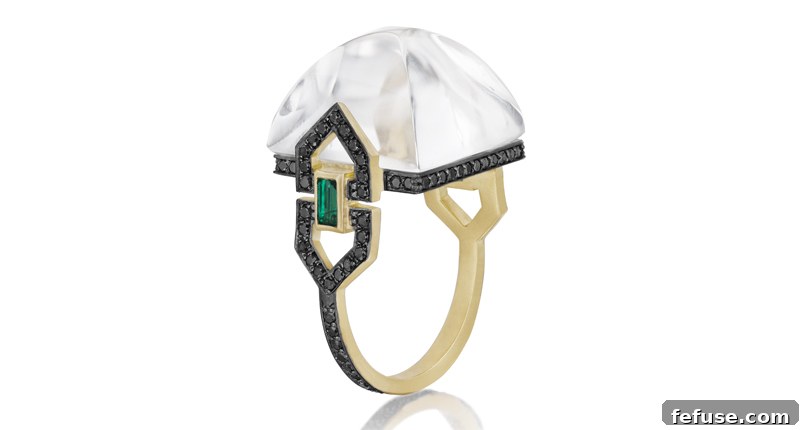
In the ever-evolving landscape of fine jewelry, certain trends emerge that capture the imagination of designers and consumers alike. Currently, there’s a distinct and growing appreciation for translucent stones, gems that allow light to pass through them but diffuse it, creating a captivating glow rather than a direct sparkle. Designers are increasingly incorporating these ethereal beauties, such as rock crystal and moonstone, pairing them exquisitely with precious metals like gold and the brilliant fire of diamonds, to craft pieces that exude understated elegance and profound mystique.
The appeal of translucent gemstones lies in their unique ability to interact with light, offering a sophisticated alternative to opaque or intensely fiery stones. Their subtle beauty allows them to complement, rather than compete with, the brilliance of diamonds and the warmth of gold. Here’s a deeper look into why these gems are clearly trending:
1. Subtle Elegance and Versatility
Translucent stones possess an inherent elegance that speaks volumes through quiet sophistication. They offer a refined aesthetic that is less about overt flash and more about a gentle, captivating luminosity. Their versatile nature makes them suitable for a broad spectrum of designs, from minimalist contemporary pieces that highlight their clean lines to more elaborate settings that showcase their unique optical properties. This adaptability ensures they seamlessly integrate into various personal styles and occasions, making them a desirable choice for modern jewelry wearers.
2. Play of Light and Mystique
What truly sets translucent gemstones apart is their enchanting interaction with light. Moonstones, for instance, are celebrated for “adularescence,” a captivating internal glow that seems to shift and shimmer as the stone moves, reminiscent of moonlight on water. Rock crystal, a clear variety of quartz, plays with light through its pristine clarity, creating mesmerizing internal reflections and refractions. This inherent mystique adds depth and character to each piece, drawing the eye and inviting closer inspection. They offer a sense of wonder and enchantment that is both timeless and fresh.
3. Perfect Complements to Precious Metals and Diamonds
One of the strongest reasons behind their current popularity is their ability to beautifully enhance other valuable materials. When paired with the rich luster of gold – whether yellow, rose, or white – translucent stones create a harmonious balance. The gold frames and highlights their ethereal qualities, while the stones soften the metal’s intensity. Similarly, when combined with diamonds, translucent gems provide a serene backdrop that amplifies the diamonds’ sparkle without being overshadowed. This synergy allows for the creation of balanced, luxurious, and visually appealing jewelry compositions that cater to a sophisticated aesthetic.
4. Unique Textures and Organic Forms
Designers are leveraging the natural characteristics of translucent stones to create unique textures and organic forms. Often cut into cabochons (smooth, rounded shapes) or intricately carved, these stones lend themselves well to sculptural designs that emphasize their milky or glassy qualities. This allows for a departure from purely faceted gems, introducing a tactile and visually softer element into fine jewelry. The imperfections and inclusions, rather than detracting, often add to their natural charm and individuality, making each piece truly one-of-a-kind.
5. Sustainability and Accessibility
Many translucent gemstones are relatively abundant compared to rarer, more traditional precious stones, making them more accessible in terms of price point. This allows designers to experiment with larger sizes and more elaborate settings without prohibitive costs, broadening the market appeal. Furthermore, for increasingly conscious consumers, the availability of often more ethically and sustainably sourced translucent gems presents an attractive proposition, aligning luxury with responsible choices.
The trend of translucent stones is a testament to the jewelry world’s continuous evolution, embracing both classic materials and innovative design approaches to create pieces that resonate deeply with modern sensibilities while retaining an air of timeless beauty.
Economic Ripples: Amazon’s Layoffs and the Broader Retail Landscape
In an increasingly interconnected global economy, the strategic decisions and operational shifts of tech and retail giants like Amazon often send ripples across various industries, including the specialized realm of fine jewelry. Recent reports indicating that Amazon is laying off hundreds of employees in the US, while simultaneously expanding in other areas, underscore the complex and often turbulent nature of the contemporary retail landscape and the broader economic climate.
Amazon, a behemoth in e-commerce and cloud computing, wields immense influence over consumer behavior, supply chains, and technological innovation. Therefore, any significant restructuring, such as widespread layoffs, is rarely an isolated event. It often serves as a barometer for deeper economic currents and strategic recalibrations. Here’s how Amazon’s actions can be interpreted and what they might signal for the retail sector, including the luxury jewelry market:
Economic Indicators and Caution
Major layoffs at a company as influential as Amazon can signal a broader economic cooling or a more cautious outlook among large corporations. While Amazon highlighted expansions in certain areas, the decision to cut jobs in others suggests a prioritization of efficiency and profitability over sheer growth in specific departments. This can reflect concerns about consumer spending, rising operational costs, or a tightening of venture capital, prompting businesses to streamline their workforces and optimize their financial performance. For the jewelry industry, which relies heavily on discretionary spending, such economic signals can indicate potential shifts in consumer confidence and luxury purchasing power.
Shifting Consumer Behavior and E-commerce Evolution
Amazon’s strategic adjustments often respond to, and in turn shape, evolving consumer behaviors. The pandemic era saw an unprecedented surge in online shopping, but as economies reopen and consumer habits normalize, companies like Amazon are refining their focus. Layoffs might be concentrated in areas that saw temporary hyper-growth or are being automated. This constant adaptation means that all retailers, including jewelers with both online and brick-and-mortar presence, must remain agile. They need to understand how shifts in e-commerce strategy by major players can impact everything from digital advertising costs to customer expectations regarding speed and convenience.
Impact on Brick-and-Mortar and Online Jewelry Retailers
The tech giant’s restructuring efforts can indirectly influence both online and physical jewelry retailers. If Amazon is consolidating or optimizing certain operations, it could mean more competitive pressure in areas where it remains dominant, or conversely, create new opportunities in niche markets it might be de-emphasizing. For jewelers, this translates into a continuous need to refine their omnichannel strategies, offering seamless experiences across physical stores and digital platforms. Understanding these broader retail trends helps jewelers anticipate market changes, identify emerging challenges, and capitalize on new opportunities to attract and retain discerning customers in a highly competitive environment.
Ultimately, Amazon’s layoffs serve as a reminder that even the most formidable industry leaders are not immune to market pressures and strategic reorientations. This underscores the critical importance for all businesses, from global conglomerates to bespoke jewelry boutiques, to remain adaptable, data-driven, and forward-thinking in navigating an ever-changing commercial landscape.
Conclusion: A Dynamic Tapestry of Tradition and Tomorrow
The jewelry industry, as these diverse narratives illustrate, is a vibrant and complex world, constantly balancing time-honored traditions with the imperatives of modern commerce and evolving tastes. From the crucial legal skirmishes that uphold brand integrity and define contractual boundaries, to the rich historical insights offered by antique and estate jewelry, and the practical challenges posed by industry-specific practices like consignment, every facet contributes to its intricate tapestry. The aesthetic landscape is also in continuous flux, with trends like translucent gemstones captivating designers and consumers, while broader economic shifts, exemplified by corporate restructuring in retail giants, reverberate throughout the market.
Staying informed about these varied dimensions – the legal, commercial, and aesthetic – is not merely an academic exercise but a strategic necessity. For businesses, it means navigating risks and identifying growth opportunities; for consumers, it means making educated and confident purchases. The jewelry world remains a dynamic and captivating domain, where every glimmer of gold and every flash of a gemstone tells a story not just of beauty, but also of resilience, innovation, and constant transformation.