
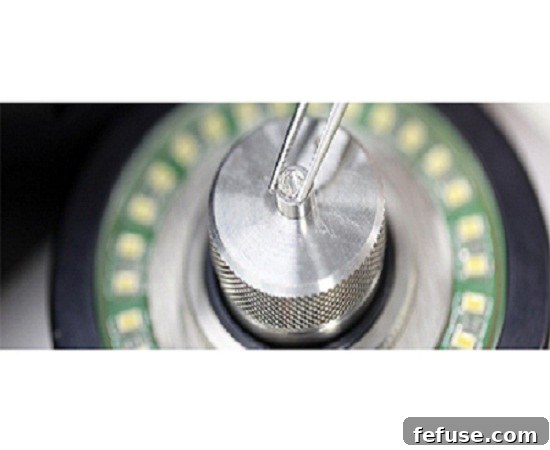
Mastering Diamond Authenticity: De Beers IIDGR Launches Essential Synthetic Diamond Detection Course
In an era where technological advancements continue to redefine industries, the diamond sector faces unique challenges and opportunities. The emergence and increasing sophistication of laboratory-grown or synthetic diamonds necessitate advanced solutions to ensure transparency and uphold consumer trust. Responding proactively to this critical need, De Beers’ International Institute of Diamond Grading & Research (IIDGR) has unveiled a groundbreaking initiative: the first-ever comprehensive training course specifically designed for Synthetic Diamond Detection. This pioneering program marks a significant milestone, being the inaugural offering in a series of crucial educational services planned by the Institute for rollout throughout 2017, underscoring a robust commitment to safeguarding the integrity of the global diamond trade.
The Growing Imperative for Synthetic Diamond Detection
The distinction between natural and synthetic diamonds is a paramount concern for every segment of the diamond supply chain, from miners and manufacturers to retailers and end-consumers. While synthetic diamonds share the same chemical composition and crystal structure as their natural counterparts, their origin – human-made versus earth-mined – is fundamentally different. As production techniques for synthetic diamonds become more refined and cost-effective, their presence in the market, both disclosed and, more critically, undisclosed, has grown exponentially. This evolving landscape creates a pressing demand for precise and reliable detection methods. Undisclosed synthetic diamonds pose a significant threat to consumer confidence, erode market value, and challenge the integrity of a centuries-old industry built on trust and authenticity.
For diamond traders, retailers, and gemologists, the ability to definitively identify synthetic stones is no longer merely an advantage but an absolute necessity. Businesses must equip themselves with the expertise to protect their reputations, ensure regulatory compliance, and most importantly, guarantee that their customers receive exactly what they are promised. The IIDGR’s new course directly addresses this urgent requirement, providing a vital toolkit for professionals navigating the complexities of modern diamond commerce and contributing significantly to the broader mission of maintaining a trustworthy global diamond market.
Comprehensive Training for Unwavering Confidence
The Synthetic Diamond Detection course by IIDGR is meticulously crafted to empower participants with unparalleled knowledge and practical expertise. This intensive, lab-based program delves deep into the science and art of distinguishing natural diamonds from their synthetic counterparts. Participants will gain proficiency in a range of specialized techniques and state-of-the-art instrumentation employed in advanced gemological laboratories worldwide. The curriculum is designed to equip professionals to detect synthetic stones effectively, regardless of their state – be it rough, unpolished diamonds directly from the mine or exquisitely finished, polished gems ready for sale. The focus on both rough and polished states ensures comprehensive coverage for various stages of the diamond pipeline.
Key Learning Outcomes and Course Content:
- Understanding Diamond Origins: Participants will develop a foundational understanding of the geological formation processes of natural diamonds compared to the growth mechanisms of laboratory-grown diamonds (e.g., HPHT and CVD methods), highlighting key differences in their internal structures and external features.
- Advanced Detection Methodologies: In-depth instruction will cover various spectroscopic techniques such as UV-Vis (Ultraviolet-Visible), FTIR (Fourier-Transform Infrared), and Raman spectroscopy. Trainees will learn how these powerful analytical tools are utilized to identify characteristic growth patterns, nitrogen aggregation states, and trace impurities specific to synthetic production.
- Utilizing Specialized Instrumentation: Hands-on training forms a core component, allowing participants to work with cutting-edge gemological equipment specifically designed for synthetic diamond screening and identification. This may include devices that measure UV luminescence, phosphorescence decay times, electrical conductivity, and advanced microscopy for observing subtle internal features.
- Characteristic Inclusions and Growth Features: Learning to identify microscopic inclusions, distinctive growth structures (e.g., cubic vs. octahedral growth sectors), and other tell-tale internal and external features that unequivocally differentiate natural from synthetic diamonds. This includes understanding the visual clues often present under magnification.
- Practical Application and Real-World Scenarios: Extensive lab sessions are central to the course, focusing on real-world scenarios. Participants will apply learned techniques on a diverse range of diamond samples, including challenging cases, to hone their diagnostic skills and build confidence in their detection abilities.
- Maintaining Due Diligence and Best Practices: The course also covers understanding the best practices and protocols for integrating synthetic detection into daily business operations, ensuring compliance with industry standards, protecting against fraud, and ultimately safeguarding consumer confidence in every diamond transaction.
The two-day, lab-intensive format ensures an immersive learning experience, where theoretical knowledge is immediately reinforced through practical application. This direct engagement with specialized equipment and diverse diamond samples is crucial for developing the nuanced, hands-on skills required for accurate and confident synthetic diamond detection in today’s dynamic market.
Strategic Global Rollout and Enhanced Accessibility
To ensure maximum accessibility for the global diamond community, the IIDGR has strategically scheduled the initial launch of the Synthetic Diamond Detection course in key international hubs. The program will first be introduced at the state-of-the-art IIDGR Facility in Surat, India, on May 15 and 16. Surat holds immense significance as a global epicenter for diamond cutting, polishing, and manufacturing, making it a natural and vital choice for an early launch to benefit a vast segment of the industry’s manufacturing and trading professionals who are often the first point of contact for rough and polished goods.
Following its debut in India, the course will be unveiled towards the end of the prestigious JCK Jewellery show in Las Vegas, USA, on June 8 and 9. The JCK show is one of the world’s largest and most influential jewelry trade events, providing an ideal platform to reach a broad audience of American retailers, designers, wholesalers, and appraisers who are at the forefront of direct consumer interaction. This dual launch strategy ensures that professionals in two of the world’s most critical diamond markets have early access to this essential training.
Beyond these initial fixed-site launches, the IIDGR has announced an innovative solution to further enhance global accessibility: the course “can be delivered at various sites globally through the use of a mobile lab.” This adaptable approach signifies De Beers’ unwavering commitment to extending this vital education to diamond centers and trade hubs worldwide, effectively overcoming geographical barriers and enabling more professionals to gain essential detection skills without the need for extensive travel or significant logistical challenges. The mobile lab ensures that the same high standard of hands-on, instrument-based training can be replicated anywhere.
A Broader Vision for Diamond Education and Industry Standards
The Synthetic Diamond Detection course is not an isolated offering but the vanguard of a comprehensive educational initiative by the IIDGR. As part of its new education services, the Institute plans to roll out additional critical courses later in 2017, forming a robust framework for professional development:
- Diamond Foundation Course: This foundational program is meticulously designed for new entrants to the industry, sales professionals, or those seeking to solidify their core knowledge. It will cover the essential fundamentals of diamonds, including their geological formation, physical and optical properties, and the basic principles of diamond grading (e.g., an introduction to the 4Cs). It serves as an excellent starting point for building a strong understanding of diamonds.
- Polished Diamond Grading Course: Building upon foundational knowledge, this advanced course will equip participants with the specialized skills to accurately grade polished diamonds based on the industry-standard 4Cs – Carat Weight, Color, Clarity, and Cut. This is crucial for precise valuation, quality assessment, and effective communication with consumers, ensuring professionals can confidently describe and appraise polished diamonds.
This holistic educational framework underscores IIDGR’s evolving role not only as a leading research and grading authority but also as a pivotal educator and standard-bearer for the global diamond industry. By providing a tiered approach to learning, from foundational principles to advanced specialized skills like synthetic detection, IIDGR is actively cultivating a more informed, confident, and professional diamond industry workforce, ready to meet future challenges with expertise and integrity.
Strengthening Alliances: A Strategic Partnership with the American Gem Society (AGS)
Further solidifying its commitment to widespread education and robust industry collaboration, IIDGR has strategically partnered with the esteemed American Gem Society (AGS) to support the delivery of the Synthetic Diamond Detection course throughout the US. This significant collaboration brings together two highly respected entities known for their unwavering dedication to ethics, education, and consumer protection within the jewelry industry, amplifying the course’s reach and impact.
Katherine Bodoh, the then-new CEO of AGS, articulated the profound value of this partnership, stating, “The AGS is focused on providing superior professional development to its members, and we are pleased to work with IIDGR to create opportunities for AGS members to receive this essential information.” For AGS members – a distinguished community of jewelers, gemologists, and appraisers committed to rigorous ethical and professional standards – this partnership offers an invaluable opportunity to access cutting-edge training directly from the world’s leading diamond authority. It powerfully reinforces AGS’s mission to continuously enhance the professionalism and expertise of its network, ensuring that their members remain at the absolute forefront of industry best practices and are equipped to confidently serve the public.
Taught by Leading Experts and Innovators
The quality of instruction is paramount for such a specialized and technically demanding course, and IIDGR ensures participants learn from the very best in the field. Both the India and US iterations of the Synthetic Diamond Detection courses will be led by a team of distinguished experts. These include highly skilled specialists from the renowned De Beers Technologies UK team, who are at the absolute forefront of diamond research, technological innovation, and the development of advanced detection instruments. They bring unparalleled scientific depth and practical experience. Additionally, IIDGR’s highly respected Director of Education, Jodine Perrin, will contribute her seasoned educational leadership, ensuring the complex technical information is delivered in an accessible, engaging, and authoritative manner for all attendees.
Investing in Knowledge and Industry Integrity: The Course Fee
The fee for this specialized two-day Synthetic Diamond Detection course is US$ 2,999. While this represents a significant investment, the value proposition for diamond professionals is compelling and multifaceted. In an increasingly complex market, the ability to accurately and confidently identify synthetic diamonds protects businesses from potential financial losses due to misidentification, severe reputational damage, and potential legal liabilities associated with misrepresentation. It ensures compliance with evolving industry regulations, upholds the highest ethical standards, and, crucially, reinforces the invaluable trust that consumers place in their diamond purchases. The cost of not having this critical knowledge and expertise far outweighs the investment in gaining it, positioning this course as an indispensable tool for long-term business sustainability, growth, and success in the competitive and evolving diamond industry.
Conclusion: A Future Built on Trust and Expert Knowledge
The launch of the Synthetic Diamond Detection training course by De Beers’ IIDGR is far more than just a new educational offering; it is a strategic and proactive response to the evolving dynamics of the global diamond market. By empowering professionals across the supply chain with the advanced skills and knowledge needed to confidently differentiate between natural and synthetic diamonds, IIDGR is playing a pivotal role in strengthening the very foundation of trust upon which the entire industry stands. This initiative, coupled with future educational programs and strong strategic partnerships like that with the AGS, reaffirms De Beers’ unwavering commitment to market integrity, consumer confidence, and the enduring value of natural diamonds. As the diamond world continues to innovate and adapt, the bedrock of authenticity, sustained by expert knowledge, rigorous training, and transparent practices, will remain the most precious and valued commodity of all.
News Source: gjepc.org