
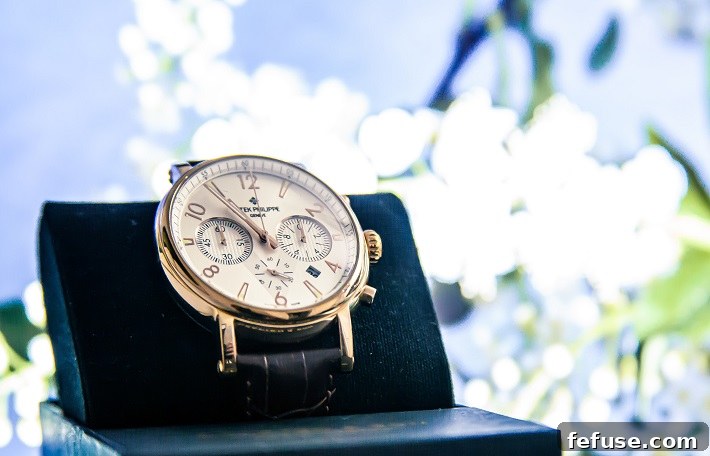
In a world where digital clocks are ubiquitous, a well-crafted wristwatch remains a powerful statement of personal style, precision, and heritage. More than just a tool for telling time, a watch is a miniature marvel of engineering, a piece of wearable art, and for many, a cherished heirloom. It speaks volumes about its owner’s appreciation for craftsmanship, attention to detail, and often, a connection to timeless elegance. Whether it’s a vintage treasure passed down through generations, a sophisticated accessory for a business setting, or a rugged companion for watersports adventures, your watch is an investment—one that deserves meticulous care to ensure its accuracy, longevity, and enduring beauty.
Understanding how to properly maintain your watch isn’t just about preserving its aesthetic appeal; it’s about safeguarding its intricate mechanical heart. A trusted companion that performs ceaselessly day and night, your watch’s consistent performance depends on a few key practices. By following this comprehensive guide to watch care and maintenance, you can ensure your beloved timepiece continues to tick with unwavering constancy for decades to come, retaining both its functional excellence and its intrinsic value.
The Indispensable Role of Professional Watch Servicing
Even the finest watches, with their hundreds of tiny, interworking components, require periodic professional attention. Regular servicing is paramount to maintaining the accuracy, reliability, and overall health of your timepiece. Think of it as a comprehensive health check-up for a sophisticated machine. Over time, the lubricants within the movement can degrade, dry out, or become contaminated, leading to increased friction and wear on critical parts. Dust, dirt, and microscopic debris can also infiltrate the case, further compromising the delicate mechanics.
During a professional watch service, a skilled watchmaker will meticulously disassemble the entire movement. Each tiny component is then carefully inspected for wear, cleaned thoroughly in specialized solutions to remove all traces of old lubricants and contaminants, and then meticulously re-lubricated with fresh, high-quality oils. Worn parts, such as gaskets, springs, or gears, are replaced with genuine components to restore the watch to its optimal working condition. Finally, the movement is carefully reassembled, regulated for accuracy, and tested rigorously to ensure it meets its original performance specifications. This intricate process ensures that all gears, springs, and levers operate smoothly, minimizing wear and tear and preventing costly damage in the long run.
Why Regular Servicing is Crucial
- Accuracy: Old, degraded oils cause friction, slowing down the movement and affecting timekeeping precision. Fresh lubrication restores optimal performance.
- Longevity: By reducing friction and replacing worn parts, servicing extends the life of the movement significantly, protecting your investment.
- Water Resistance Integrity: Gaskets and seals, which prevent water and dust ingress, degrade over time. During service, these are replaced, and water resistance is re-tested.
- Aesthetic Preservation: While the focus is internal, servicing often includes case and bracelet cleaning, ensuring the watch looks as good as it performs.
- Preventative Maintenance: Catching minor issues early prevents them from escalating into major, expensive repairs.
For discerning collectors and owners, choosing a reputable jeweler or certified watchmaker, such as Anania Jewellers in Sydney, is essential. They possess the specialized tools, expertise, and genuine parts required to properly care for your specific watch brand and model. The recommended service interval for most mechanical watches typically ranges from three to five years, though this can vary based on the watch’s movement, age, and how frequently it is worn.
Optimal Watch Storage: Protecting Your Timepiece
When not gracing your wrist, your watch requires a safe and stable environment to protect it from potential damage. A watch is a delicate instrument susceptible to various environmental factors beyond just dust and dirt. Proper storage is crucial for preserving both its internal mechanics and its external aesthetics. Neglecting proper storage can lead to premature wear, reduced accuracy, and even irreversible damage.
Key Factors for Ideal Watch Storage:
- Temperature and Humidity: Extreme fluctuations in temperature and humidity are among the most damaging factors. High humidity can lead to moisture ingress, potentially causing corrosion of internal components and degradation of gaskets. Very dry conditions can cause lubricants to dry out faster. Conversely, extreme heat can also damage lubricants and potentially affect the watch’s delicate materials, while extreme cold can cause condensation. Aim for a stable, room-temperature environment (around 20-25°C or 68-77°F) with moderate humidity.
- Dust and Dirt: Microscopic particles can find their way into the watch case, causing friction and wear within the movement. A clean, dust-free environment is paramount.
- Direct Sunlight and UV Exposure: Prolonged exposure to direct sunlight can fade the dial, hands, and bezel inserts, especially those with luminous material. UV rays can also degrade leather straps and cause certain metals to tarnish more rapidly. Always store your watch away from direct sunlight.
- Magnetism: Modern watches are increasingly resistant to magnetism, but strong magnetic fields (from speakers, smartphones, tablets, certain appliances) can still magnetize the hairspring, leading to significant accuracy issues. Store watches away from such sources.
- Physical Damage and Scratches: Simply leaving a watch on a bedside table can expose it to accidental bumps, drops, or scratches. Protecting it from physical impact is fundamental.
Recommended Storage Solutions:
- Watch Boxes: A dedicated watch box is an excellent investment. Look for boxes lined with soft materials (like velvet or silk) that cushion the watch and prevent scratches. Individual compartments or watch pillows keep each timepiece separate and secure. Many watch boxes also offer a degree of dust protection.
- Watch Winders: For automatic watches, a watch winder is highly recommended. It mimics the motion of being worn, keeping the mainspring wound and the lubricants evenly distributed. This ensures the watch is always ready to wear and helps prevent the oils from settling or thickening, which can happen if a watch is left unwound for extended periods. Ensure the winder is set to the correct turns per day (TPD) and rotation direction for your specific watch movement.
- Safe Deposit Boxes/Safes: For valuable or heirloom pieces, a safe deposit box or a home safe provides enhanced security against theft and some protection against environmental factors like dust. Ensure the safe’s interior is dry and well-ventilated.
When preparing a watch for storage, especially for extended periods, it’s wise to give it a gentle wipe down with a soft, clean microfiber cloth to remove any skin oils or grime. For watches on leather straps, ensure the strap is clean and completely dry before storage to prevent mold or mildew growth. Proper storage not only protects your watch’s mechanics but also helps maintain its pristine appearance and resale value.
Understanding and Maintaining Your Watch’s Water Resistance
One of the most common misconceptions about watches is the term “waterproof.” In reality, no watch is truly waterproof; rather, they are “water-resistant” to varying degrees. This distinction is crucial for preventing water damage, which can be devastating to a watch’s delicate movement. A watch’s ability to resist water ingress is typically indicated on its dial or case back, measured in atmospheres (ATM), bars (Bar), or meters (M).
An atmosphere (ATM) is a unit of pressure, roughly equivalent to the pressure exerted by water at 10 meters (33 feet) depth. Similarly, 1 Bar is approximately equal to 1 ATM. However, it’s important to understand that these ratings are based on static laboratory tests under ideal conditions. Dynamic pressures encountered during swimming, diving, or even showering can significantly exceed these static ratings. For example, a watch rated at 3 ATM / 30M might only withstand light splashes, not full submersion, because the movement of your arm can create much higher instantaneous pressure.
Common Levels of Water Resistance and Their Practical Implications:
- Water Resistant (No Bar/ATM indication): This offers minimal protection, usually against incidental moisture like light rain or minor splashes from handwashing. Avoid all direct contact with water. This rating means the watch case offers some barrier, but seals are not designed for immersion.
- Water Resistant up to 3 Bar (3 ATM / 30 Meters): Suitable for everyday use, including accidental splashes, light rain, and washing hands. It is generally NOT suitable for showering, bathing, swimming, or any water sports, as dynamic pressure can easily exceed this rating.
- Water Resistant up to 5 Bar (5 ATM / 50 Meters): Considered safe for showering and shallow-water swimming. However, it’s best to avoid prolonged exposure to water and direct, strong jets of water (like from a showerhead or faucet), which can create localized high pressure. Do not operate the crown or pushers while wet or submerged.
- Water Resistant up to 10 Bar (10 ATM / 100 Meters): Ideal for swimming, snorkeling, and other surface water sports. This rating provides a good level of protection for recreational use in water but is not intended for high-impact water activities or diving.
- Water Resistant up to 20 Bar (20 ATM / 200 Meters) – Diver’s Watch: This is the standard for recreational diving, free diving, and serious water sports. Watches with this rating often feature a screw-down crown and case back for enhanced sealing. They are designed to withstand significant water pressure and are suitable for saturation diving.
- Water Resistant to 50 Bar (50 ATM / 500 Meters) and beyond: These watches are designed for professional deep-sea diving and extreme underwater environments. They are built with robust cases, thick crystals, and advanced sealing systems to withstand immense pressures.
Factors That Compromise Water Resistance:
- Aging Gaskets: Gaskets (O-rings) made of rubber or silicone seal the case back, crystal, and crown. Over time, they dry out, crack, and lose their elasticity, compromising the seal.
- Impacts: A hard knock or drop can dislodge gaskets, bend components, or crack the crystal, creating tiny openings for water.
- Temperature Changes: Rapid temperature changes (e.g., jumping into a cold pool after sunbathing) can cause materials to expand and contract at different rates, leading to temporary gaps in seals.
- Chemical Exposure: Exposure to soaps, detergents, chlorine, and saltwater can degrade gaskets faster.
- Operating Crown/Pushers Underwater: Never adjust the time, date, or use chronograph pushers while the watch is wet or submerged, as this can break the seal.
Always know your watch’s specific water resistance rating and adhere strictly to its limitations. It is highly recommended to have your watch’s water resistance tested annually or during every service, especially if it’s frequently exposed to water. After exposure to saltwater or chlorinated water, always rinse your watch with fresh tap water and dry it thoroughly with a soft cloth to prevent corrosion and residue buildup.
Essential Daily and Home Watch Cleaning Tips
Beyond professional servicing, regular home care can significantly contribute to your watch’s longevity and pristine appearance. Daily cleaning removes surface grime, skin oils, and environmental pollutants that can accumulate and potentially cause damage or dullness.
General Cleaning for Case and Bracelet:
For most watches with metal cases and bracelets (stainless steel, gold, platinum), a gentle cleaning routine is simple:
- Wipe Daily: After each wear, use a soft, clean microfiber cloth to wipe down the case, crystal, and bracelet. This removes fingerprints, body oils, and light dust.
- Deeper Clean (if water-resistant): If your watch has a water resistance rating of 5 Bar (50M) or higher, you can use a very mild soap (like unscented hand soap) mixed with lukewarm water. Dip a soft brush (like an old, soft-bristled toothbrush) into the solution and gently scrub the bracelet and case. Pay attention to crevices where dirt can accumulate.
- Rinse Thoroughly: Rinse the watch under a gentle stream of cool, clean tap water. Ensure all soap residue is removed.
- Dry Completely: Immediately dry the watch thoroughly with a soft, lint-free cloth. You can also use a hairdryer on a cool setting to dry hard-to-reach areas, but avoid hot air.
Important: Never submerge a watch that is not explicitly rated for immersion. Never use harsh chemicals, abrasive cleaners, or ultrasonic cleaners at home, as these can damage gaskets, finishes, or delicate movements.
Strap and Bracelet Specific Care:
- Leather Straps: Leather straps are susceptible to moisture, sweat, and oils. Wipe them regularly with a dry, soft cloth. Avoid prolonged exposure to water. If they get wet, dry them naturally (not with heat) and apply a small amount of leather conditioner to prevent cracking. Replace leather straps when they show significant signs of wear or degradation.
- Rubber/Silicone Straps: These are generally more robust and water-friendly. Clean them with mild soap and water, similar to a metal bracelet, and dry thoroughly.
- Nylon/NATO Straps: These can typically be removed from the watch and hand-washed with mild soap and water, then air-dried.
- Metal Bracelets: Beyond general cleaning, check the links periodically for dirt buildup. Ensure the clasp mechanism operates smoothly.
Understanding Your Watch’s Heart: Movement Care
The type of movement within your watch also influences its care routine:
- Mechanical Watches (Manual Wind & Automatic): These marvels of miniaturized mechanics require the most diligent care, including regular servicing to maintain their hundreds of tiny parts and lubricants. Manual wind watches need to be wound daily, while automatics stay wound with wrist motion or in a watch winder. Avoid over-winding a manual watch.
- Quartz Watches: Powered by a battery and a vibrating crystal, quartz watches are generally less demanding in terms of mechanical servicing. However, they do require periodic battery changes, typically every 2-5 years. When the battery is low, it should be replaced promptly by a professional to avoid leakage that could damage the movement. Gaskets should also be checked and replaced during battery changes to maintain water resistance.
Regardless of the movement type, treating your watch with respect—avoiding strong impacts, temperature extremes, and magnetic fields—is universally beneficial.
Your watch is more than just an instrument; it’s a testament to artistry, engineering, and personal expression. By investing a little time and effort into its proper care—from professional servicing and mindful storage to understanding its water resistance limits and performing simple home cleaning—you ensure that this valuable companion remains a beacon of precision and elegance on your wrist for many years to come. Whether treasured as a timeless gift or worn as a daily statement piece, following these guidelines will safeguard its legacy and enduring appeal.