
India’s Gold Imports Plummet: A Deep Dive into Economic Implications and the Current Account Deficit
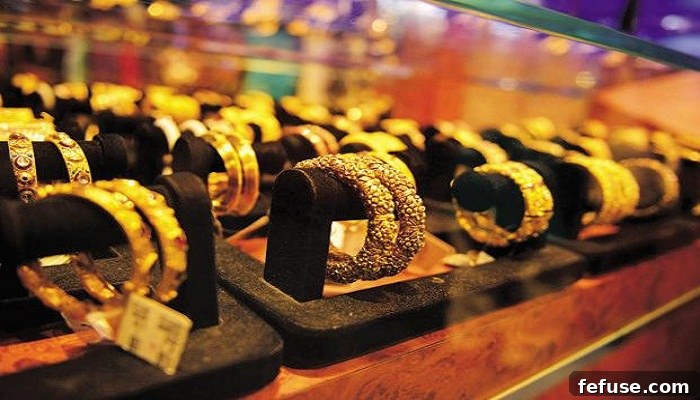
India, a nation deeply rooted in its cultural and economic affinity for gold, has recently witnessed a significant downturn in its gold imports. This development, primarily driven by a decline in global and domestic metal prices, carries substantial implications for the country’s intricate economic landscape, particularly concerning its current account deficit (CAD). While a reduction in gold imports is generally welcomed as it helps to alleviate pressure on the external balance, the broader economic context, marked by persistently rising crude oil prices, a depreciating rupee, and fluctuating portfolio investments, paints a complex and challenging picture. This comprehensive article aims to delve into the latest trends surrounding India’s gold imports, meticulously analyze their immediate and long-term impact on key macroeconomic indicators, and explore the multifaceted challenges and opportunities currently facing the Indian economy in an increasingly volatile global environment.
A Sharp Decline in Gold Imports: Understanding the Latest Figures
The first quarter of the current fiscal year has seen a notable and substantial reduction in India’s gold imports. According to granular data released by the commerce ministry, these imports plummeted by a significant 25 percent, settling at approximately $8.43 billion. This figure represents a considerable drop from the $11.26 billion recorded during the corresponding period of the previous financial year (2017-18). This downward trajectory in the import of the cherished yellow metal has been consistently observed since January of this year, signaling a sustained shift in either consumer demand patterns, pricing dynamics, or both, within the Indian market. Such a prolonged decline warrants closer examination to understand its underlying causes and potential ramifications.
What’s Driving the Downturn in Gold Imports?
The primary catalyst for this substantial decrease in gold imports appears to be the sliding prices of gold in both international and domestic markets. When gold prices experience a decline, consumers and investors often adopt a wait-and-see approach, opting to delay purchases in anticipation of further price reductions. This cautious stance reduces immediate demand, particularly for large-volume imports. For a country like India, where gold transcends its role as a mere commodity to become deeply embedded in cultural practices, religious ceremonies, and traditional investments, a price drop can significantly temper immediate discretionary demand for items like elaborate jewelry or bulk investment holdings. Furthermore, a confluence of factors such as evolving government policies, shifts in consumer sentiment regarding the broader economic outlook, and the availability of alternative investment avenues can also play a subtle yet impactful role in influencing gold import volumes.
The Crucial Role of Gold Imports in India’s Economic Health
India holds the unique and prominent distinction of being the world’s largest importer of gold. This staggering and continuous demand is predominantly fueled by the country’s vibrant and sprawling jewelry industry, which caters to millions of consumers who traditionally view gold as an essential component of weddings, religious festivals, and as a time-honored store of wealth. The sheer volume of gold imports, therefore, directly impacts India’s trade balance – the difference between its total exports and imports – and, consequently, exerts significant influence on its current account deficit. Any substantial fluctuation in gold imports inevitably creates ripples across the entire economic ecosystem, affecting currency valuation, foreign exchange reserves, and overall financial stability.
Immediate Impact on the Current Account Deficit (CAD)
The recent and considerable reduction in gold imports is undoubtedly a welcome relief for India’s persistent current account deficit. The CAD, a critical macroeconomic indicator, represents the difference between the inflow and outflow of foreign exchange and serves as a vital barometer of a nation’s external economic health. A lower CAD signifies that the country is less reliant on external financing to meet its international obligations, thereby indicating greater economic self-sufficiency and stability. In the preceding fiscal year, 2017-18, the CAD had surged to a concerning $48.7 billion, which was equivalent to 1.9 percent of the Gross Domestic Product (GDP). This figure marked a significant and sharp increase from the $14.4 billion (0.6 percent of GDP) recorded in the 2016-17 fiscal year. The recent contraction in gold imports directly contributes to mitigating this burgeoning deficit by reducing the outflow of precious foreign currency, thereby strengthening the rupee and improving the overall balance of payments. This provides some much-needed breathing room for policymakers grappling with external sector vulnerabilities.
Navigating Broader Economic Headwinds: Pressures on the CAD
While the decline in gold imports offers a positive note in India’s economic narrative, the current fiscal year faces a confluence of other formidable macroeconomic challenges that could potentially exert significant upward pressure on the current account deficit, threatening to offset the gains from reduced gold purchases.
The Persistent Threat of Rising Crude Oil Prices
One of the most significant and unwavering concerns for the Indian economy is the relentless and sustained rise in global crude oil prices. As a net importer of crude oil, any increase in international oil benchmarks directly translates into a substantially higher import bill for India. This escalation significantly increases the outflow of foreign exchange, thereby widening the CAD and placing immense pressure on domestic fuel prices, which, in turn, can easily stoke inflationary pressures across the economy. The cascading effect of high oil prices on critical sectors such as transportation, manufacturing, agriculture, and ultimately, consumer spending, cannot be overstated, posing a severe threat to economic stability and growth.
The Depreciating Rupee and Portfolio Investment Outflows
Compounding the challenge of rising oil prices is the consistently depreciating Indian rupee against major global currencies, particularly the US dollar. A weaker rupee makes all imports, including crucial commodities like oil and other essential goods, significantly more expensive when converted to local currency. This further exacerbates the import bill and contributes to the widening of the CAD. Simultaneously, India has been witnessing noticeable outflows of portfolio investments, a phenomenon where foreign institutional investors withdraw funds from the Indian equity and debt markets. Such capital outflows reduce the inflow of vital foreign exchange, adding further strain to the country’s external balance, intensifying pressure on the rupee, and potentially impacting investor confidence. These three factors—rising global oil prices, a weakening rupee, and significant portfolio investment outflows—collectively present a formidable and complex challenge to effectively managing the current account deficit in the ongoing fiscal year.
Widening Trade Deficit: Another Economic Indicator Under Scrutiny
Beyond the current account deficit, India’s broader trade deficit has also shown clear signs of widening, signaling potential imbalances in its trade relationships. The trade deficit, which meticulously measures the difference between a country’s total imports and its total exports of goods and services, expanded to a concerning $44.94 billion during the April-June period of the current fiscal year. This represents a significant increase compared to the $40 billion recorded in the corresponding period of the 2017-18 fiscal year. The primary culprit behind this expansion is a combination of the rise in global crude oil prices and an overall increase in imports across various sectors of the economy. While the recent decrease in gold imports offers some relief, the surge in other essential imports, particularly energy and capital goods, has unfortunately offset these gains, leading to an overall larger and more challenging trade gap.
Beyond Gold: Performance of Gems, Jewellery, and Silver Imports
The precious metals and gems sector in India is incredibly multifaceted, and while gold imports have seen a decline, other segments within this crucial industry show varied and interesting performances, providing a more granular view of market dynamics.
Positive Growth in Gems and Jewellery Exports
In a positive and encouraging development for the export sector, India’s gems and jewellery exports witnessed a healthy growth of approximately 3 percent in June, reaching an impressive $3.5 billion. This robust performance indicates inherent resilience in India’s world-renowned craftsmanship and its sustained ability to cater to discerning international demand, even amidst fluctuations in raw material imports like gold. A strong and consistent performance in this labor-intensive, export-oriented sector is absolutely vital for earning much-needed foreign exchange, generating substantial employment opportunities across the value chain, and enhancing India’s brand image in global luxury markets.
Remarkable Surge in Silver Imports
Conversely, silver imports have shown a truly remarkable and astonishing surge, growing by an astounding 104.5 percent to $364.24 million in June. This significant and rapid increase could be attributed to a confluence of several factors: robust industrial demand for silver, particularly its expanding use in solar panels, electronics, and other high-tech applications; increased speculative buying by investors viewing silver as an attractive alternative investment to gold during periods of price volatility; or a rise in traditional demand for silverware and jewelry. Understanding the precise drivers behind this sharp and unprecedented rise in silver imports is crucial for a complete and accurate picture of India’s evolving precious metals market and its underlying economic forces.
Strategic Implications and The Path Forward for India
The intricate interplay of declining gold imports, a fluctuating current account deficit, a widening trade deficit, and persistent external pressures like escalating oil prices and a weakening rupee creates a complex and challenging economic environment for India. While the reduction in gold imports provides a temporary and much-needed cushion against the CAD, it is unequivocally not a standalone or long-term solution to India’s inherent external vulnerabilities.
Effective Policy Responses and Enhancing Economic Resilience
Policymakers must navigate these multifaceted challenges with a meticulously crafted and multi-pronged approach. This includes a resolute focus on boosting domestic production across various sectors to reduce critical import dependence, especially for energy resources, and implementing proactive measures to stabilize the Indian rupee against global currencies. Encouraging non-oil, non-gold exports remains absolutely paramount to significantly improving the overall trade balance and diversifying revenue streams. Additionally, attracting stable and long-term foreign direct investment (FDI) can effectively help offset volatile portfolio investment outflows and provide a more resilient, sustainable source of foreign exchange. The demonstrated resilience and growth of the gems and jewellery export sector serve as a powerful testament to India’s inherent economic potential, unequivocally highlighting the importance of supporting and nurturing such valuable industries.
Evolving Consumer Behavior and Investment Trends
The observed shift in gold import patterns also subtly reflects evolving consumer behavior and sophisticated investment trends within India. As financial literacy increases and a broader array of alternative investment avenues becomes more accessible and appealing, the traditional reliance on gold as the primary store of wealth might gradually undergo a nuanced transformation. However, given gold’s profound and enduring cultural significance in India, its overall importance is highly unlikely to diminish entirely. The remarkable surge in silver imports, conversely, suggests a potential diversification in precious metal investment portfolios or a significant uptick in industrial demand that warrants closer and continuous observation to fully understand its implications for the broader market.
Conclusion: Balancing Economic Dynamics for a Stable Future
In conclusion, the significant and notable drop in India’s gold imports during the first quarter of the current fiscal year offers a valuable glimmer of relief amidst a landscape of broader economic concerns. While this trend directly aids in containing the burgeoning current account deficit, the formidable and persistent challenges posed by escalating crude oil prices, a depreciating rupee, and volatile portfolio investment outflows continue to loom large over the nation’s economic horizon. The widening trade deficit further underscores the urgent need for robust and proactive economic management. As India ambitiously strives for sustained economic growth and macroeconomic stability, a comprehensive and well-integrated strategy addressing both critical import dependencies and aggressive export enhancement, coupled with prudent fiscal and agile monetary policies, will be absolutely crucial for navigating these turbulent waters. The dynamic precious metals market, with its fluctuating gold imports and surging silver demand, remains an intriguing and sensitive barometer of India’s complex economic narrative, reflecting both deep-seated traditional values and the rapidly evolving realities of the global economic landscape.
News Source:- economictimes.indiatimes.com