
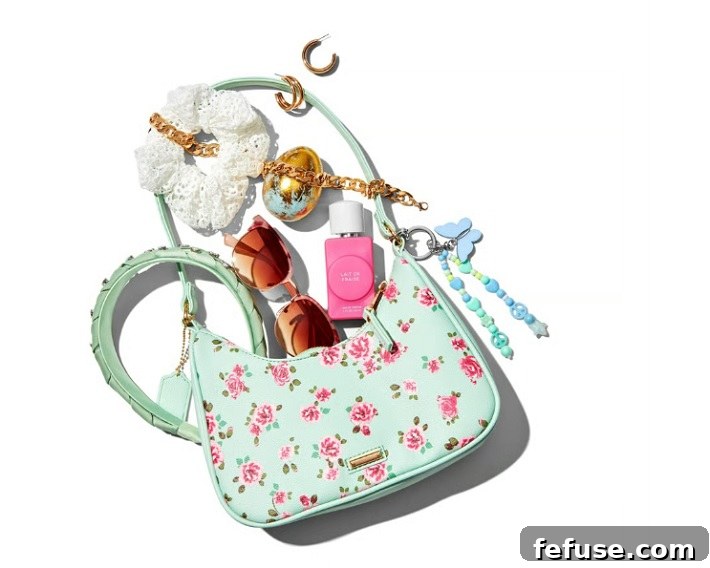
The news has once again sent ripples through the retail sector: Claire’s, the iconic tween accessory retailer synonymous with ear piercings and glittery treasures, has filed for Chapter 11 bankruptcy protection for the second time. This drastic measure underscores the immense pressures facing traditional brick-and-mortar businesses in an increasingly digital and economically turbulent landscape. The Chicago-area-based brand, once a vibrant cornerstone of shopping malls globally, now grapples with a formidable array of challenges, including a crushing debt load, severe supply chain volatility, and rapidly shifting consumer preferences that have fundamentally altered the retail experience.
In its latest bankruptcy filing, Claire’s declared both liabilities and assets ranging significantly between $1 billion and $10 billion. This financial disclosure highlights the sheer scale of the company’s fiscal predicament. The move comes on the heels of a particularly turbulent period, characterized by persistent tariff uncertainties and escalating import costs. A primary contributor to these financial woes is the retailer’s long-standing and substantial reliance on manufacturing operations predominantly located in China. This dependence has exposed Claire’s to geopolitical trade disputes and fluctuating international shipping expenses, significantly impacting its profit margins and operational stability.
The Fading Sparkle: Claire’s Journey from Mall Mainstay to Financial Distress
For decades, Claire’s held an almost mythical status for generations of young consumers. It was the quintessential destination for first ear piercings, friendship bracelets, quirky keychains, and an endless array of affordable, trendy accessories that defined tween and teen fashion. The vibrant storefronts, often strategically placed within bustling shopping malls, were a beacon for impulse buys and birthday gift hunts. Claire’s wasn’t just a store; it was a right of passage, a place where individuality could be expressed through a carefully chosen pair of earrings or a whimsical hair clip.
However, the retail world began an inexorable transformation, and the foundations of Claire’s traditional business model started to crack. The rise of e-commerce giants like Amazon fundamentally reshaped consumer behavior, diverting foot traffic away from physical malls and towards the convenience of online shopping. Consumers, particularly younger demographics, became accustomed to endless choices, competitive pricing, and swift delivery at their fingertips. This shift presented an existential threat to brick-and-mortar retailers, many of whom struggled to adapt to the new digital paradigm. While Claire’s did make efforts to establish an online presence, it proved insufficient to counteract the broader decline in mall visitation and the intense competition from digital-native brands.
A History of Hurdles: The First Bankruptcy and Subsequent Struggles
Claire’s first foray into Chapter 11 bankruptcy protection in 2018 was a stark indicator of the deep-seated issues plaguing the company. At that time, the retailer was burdened by approximately $2 billion in debt, a legacy of a leveraged buyout that had left it financially vulnerable. The initial restructuring efforts saw creditors, primarily investment firms Elliott Management Corp. and Monarch Alternative Capital, assume ownership of the company in exchange for debt relief. This shift in ownership was intended to provide a fresh start, allowing Claire’s to shed a significant portion of its financial obligations and refocus on operational improvements.
Following the 2018 restructuring, there was an optimistic outlook that Claire’s could successfully navigate the treacherous retail waters. The company engaged with seasoned financial advisors from Houlihan Lokey and Alvarez & Marsal, renowned for their expertise in corporate restructuring and turnaround strategies. These advisors would have worked closely with Claire’s management to identify inefficiencies, optimize supply chains, streamline inventory, and potentially modernize its brand image. Strategies likely included cost-cutting measures, store rationalization, and an enhanced focus on its core ear piercing services, which remained a significant draw for customers. Despite these concerted efforts and professional guidance, the company has, unfortunately, been unable to achieve the sustained financial stability required to thrive in a relentlessly competitive market.
Mounting Financial Pressures and Global Economic Headwinds
The path to long-term recovery for Claire’s has been fraught with difficulties, culminating in the critical juncture it now faces. A major contributing factor to the current predicament is a looming $500 million loan that is due in December 2026. Servicing such a substantial debt obligation requires robust cash flow and consistent profitability, both of which have proven elusive for the retailer. The severity of the financial strain became evident in May, when the company was compelled to defer interest payments on its debt. This tactic, while temporarily conserving crucial cash, is often a red flag for investors and signals deep financial distress, indicating that the company is struggling to meet its immediate financial commitments.
Beyond internal financial management, external economic factors have played a significant role. The global economy has experienced unprecedented volatility in recent years, impacting virtually every sector, and retail is no exception. Supply chain disruptions, exacerbated by the COVID-19 pandemic and subsequent geopolitical tensions, have led to increased shipping costs, longer lead times, and inventory challenges. For a retailer like Claire’s, heavily reliant on a global supply chain for its vast array of accessories, these disruptions translate directly into higher operational costs and potential stockouts, frustrating both management and customers.
The Evolving Consumer: A Shifting Demographic and Digital Expectations
Perhaps one of the most profound challenges for Claire’s has been the dramatic evolution of its core consumer base. The tween and teen demographic, perpetually at the forefront of cultural shifts, now interact with brands and trends in entirely new ways. Social media platforms, influencer marketing, and direct-to-consumer brands have democratized fashion and accessories, offering young consumers an endless scroll of options that often bypass traditional retail environments. The once-novel appeal of a mall visit has diminished for many, replaced by the instant gratification and personalized curation available online.
Claire’s, traditionally known for its brightly lit stores and tactile shopping experience, has struggled to meaningfully connect with this digitally native generation. While they have attempted to bolster their online presence and engage on social media, the unique charm of browsing physical displays and trying on accessories faces stiff competition from the convenience and trend-responsiveness of online alternatives. Furthermore, the aesthetic preferences of young consumers are constantly in flux, and maintaining relevance in a fast-paced trend cycle, particularly with a global manufacturing footprint, is an ongoing battle.
Streamlining Operations: A Smaller Footprint, A Bigger Challenge
In an effort to achieve greater efficiency and conserve resources, Claire’s has significantly downsized its operational footprint since its initial bankruptcy filing. At the time of its first Chapter 11 in 2018, the company boasted approximately 4,500 stores worldwide. Today, that number has been substantially reduced to 2,750 Claire’s stores operating across 17 countries, alongside 190 Icing locations primarily in North America. This contraction represents a strategic, albeit painful, decision to shed underperforming locations and focus on more profitable markets and geographies. While a smaller store count can reduce overheads like rent and staffing, it also diminishes the brand’s physical presence and potential for impulse purchases that were once a hallmark of its success.
The reduction in physical stores is a microcosm of the broader shifts in retail. As foot traffic in malls continues its decades-long decline, retailers are forced to reconsider the viability of sprawling brick-and-mortar portfolios. For Claire’s, optimizing its physical presence must be paired with a robust and compelling digital strategy. The challenge lies in creating a seamless omnichannel experience where the brand’s nostalgia and unique offerings can translate effectively to online platforms, attracting new customers while retaining its loyal base.
The Road Ahead: Navigating an Uncertain Future
As Claire’s embarks on this second, critical phase of restructuring, its future remains precariously balanced amidst a highly volatile retail landscape and tightening financial constraints. Chapter 11 protection provides a legal framework for the company to reorganize its business, negotiate with creditors, and attempt to formulate a viable path forward without the immediate threat of asset liquidation. However, a second bankruptcy filing often signals deeper structural issues and can erode consumer and investor confidence, making recovery even more arduous.
The key to Claire’s survival will depend on several crucial factors. Firstly, a successful renegotiation of its debt structure will be paramount to alleviate the immediate financial burden. Secondly, the company must demonstrate an unprecedented level of agility and innovation in adapting to evolving consumer trends and digital expectations. This could involve a complete revamp of its product assortment, a significant investment in its e-commerce capabilities, or even a redefinition of its target demographic and brand identity. Lastly, an effective strategy for managing its global supply chain, mitigating risks associated with international trade, and optimizing sourcing will be essential for sustainable profitability.
The story of Claire’s serves as a powerful cautionary tale for the entire retail industry. Even iconic brands with strong nostalgic appeal are not immune to the seismic shifts occurring in how consumers shop and what they value. The challenges faced by Claire’s – debt, supply chain woes, and the relentless march of e-commerce – are universal themes reverberating across countless retail boardrooms. The next chapter for Claire’s will undoubtedly be its most defining, determining whether this beloved brand can reinvent itself for a new era or fade into the annals of retail history.