
Historic Free Trade Agreement: Unlocking a New Era for Israel-UAE Diamond & Jewelry Trade
A monumental step towards deeper economic integration and regional prosperity has been taken as Israel and the United Arab Emirates officially ratified a comprehensive free trade agreement (FTA). This landmark accord, signed on Tuesday, May 31st, 2022, is set to revolutionize bilateral trade relations, with a particular focus on the lucrative diamond and jewelry sectors. Under the terms of this pioneering agreement, tariffs on the vast majority of diamonds and jewelry exports from Israel to the United Arab Emirates will be completely abolished, marking a significant milestone in the rapidly evolving partnership between these two nations.
The implementation of this free trade agreement is expected to dramatically boost commercial ties that have flourished remarkably since the formalization of relations through the historic Abraham Accords in August 2020. What began as a diplomatic breakthrough has swiftly transformed into a robust economic partnership, demonstrating the immense potential for cooperation in the Middle East. This FTA is not merely about reducing trade barriers; it represents a strategic commitment to fostering a vibrant and interconnected economy, built on mutual benefit and shared aspirations for growth.
The Abraham Accords: Paving the Way for Economic Diplomacy
To truly appreciate the significance of this free trade agreement, it is essential to look back at its foundational catalyst: the Abraham Accords. Signed in Washington D.C. in 2020, these groundbreaking normalization agreements between Israel and several Arab nations, including the UAE and Bahrain, fundamentally reshaped the geopolitical landscape of the Middle East. Beyond the diplomatic recognition, the accords envisioned a future of peace, stability, and prosperity driven by cultural exchange, technological collaboration, and robust economic partnerships.
Prior to the Abraham Accords, direct trade between Israel and the UAE was virtually non-existent or conducted through indirect channels. The normalization of relations quickly unlocked immense potential, leading to a surge in business delegations, investment opportunities, and the exploration of new markets. The FTA is a natural progression of this burgeoning relationship, cementing the economic framework necessary for sustainable, long-term growth. It transforms the initial handshake of peace into concrete economic dividends, benefiting businesses and consumers in both countries.
Zero Tariffs: A Sparkling Future for Diamonds and Jewelry
The diamond and jewelry industry stands as one of the primary beneficiaries of this new free trade agreement. Currently, most diamonds and jewelry items exported to the UAE from Israel are subject to a five percent tariff. The complete abolition of these tariffs will have a profound impact, making Israeli diamonds and finished jewelry more competitive in the UAE market. This reduction in cost will not only stimulate demand but also streamline the supply chain, reducing administrative burdens and increasing profit margins for businesses involved in the trade.
Israel has long been recognized as a global leader in the cutting, polishing, and trading of diamonds, boasting a rich history and expertise in the industry. Its sophisticated infrastructure and skilled workforce contribute significantly to the global supply of both rough and polished stones. The UAE, particularly Dubai, has rapidly emerged as a prominent international hub for diamonds and precious metals, leveraging its strategic geographical location, world-class logistics, and business-friendly environment. The synergy between these two powerhouses in the diamond world is undeniable. With zero tariffs, the flow of goods is expected to increase substantially, solidifying the UAE’s position as a gateway for Israeli diamonds into broader regional and global markets, while also allowing Israeli traders greater access to the UAE’s robust re-export capabilities and consumer base.
Current Trade Figures and Future Projections
Even before the full implementation of the free trade agreement, bilateral trade in diamonds has shown impressive growth. In 2021, the UAE accounted for over 10 percent of Israel’s total rough diamond exports, a significant volume valued at $188 million. Concurrently, imports from the UAE to Israel stood at an even higher figure of $244 million, representing 11.8 percent of Israel’s total rough diamond imports. These figures underscore the already vibrant and mutually beneficial trade relationship in this specialized sector.
The abolishment of tariffs is poised to accelerate this growth exponentially. Industry experts anticipate a substantial increase in trade volumes as the cost barrier is removed. This will encourage greater direct trade, foster new business partnerships, and potentially lead to joint ventures in manufacturing, design, and marketing. The FTA will not only boost the trade in rough and polished diamonds but also in finished jewelry, allowing Israeli designers and jewelers to tap into the sophisticated and diverse UAE consumer market and vice versa. The economic ripple effect will extend to logistics, insurance, and related services, creating a comprehensive ecosystem of growth.
Beyond Gemstones: Diversifying Economic Ties
While diamonds and jewelry are a major highlight, the free trade agreement is far-reaching, encompassing a wide array of sectors. Critically, tariffs on essential goods such as food, medicine, fertilizers, and other chemicals will also be significantly reduced or entirely abolished. This comprehensive approach reflects a shared commitment to diversified economic growth and enhancing the well-being of their respective populations.
For Israel, a global leader in agricultural technology and advanced medical solutions, the reduction of tariffs on food and medicine opens new avenues for exports to the UAE, a net importer of these goods. This could lead to increased food security for the UAE and access to innovative Israeli medical products. Conversely, the UAE, with its vast petrochemical industry, will find it easier to export fertilizers and chemicals to Israel, supporting its agricultural and industrial sectors. This multi-sectoral approach ensures that the benefits of the FTA are widespread, impacting various industries and contributing to overall economic resilience and strategic supply chain security for both nations.
Deepening Ties and Institutional Collaboration
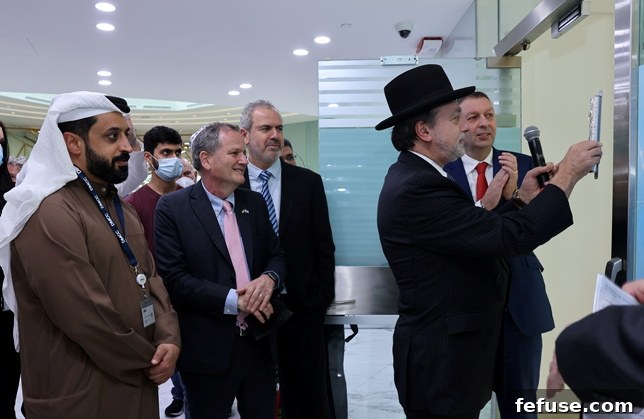
The commitment to fostering closer ties extends beyond tariff reductions to include concrete institutional cooperation. A notable example of this deepening relationship occurred in February, when the Israel Diamond Exchange (IDE) opened a representative office for the first time at its counterpart in Dubai, the Dubai Diamond Exchange (DDE). This move is highly symbolic and practical, facilitating direct communication, collaboration, and networking opportunities between diamond traders and industry professionals in both countries.
The presence of an IDE office in Dubai serves as a vital bridge, enabling easier access to market information, fostering trust, and streamlining business operations. It demonstrates a long-term vision for sustained partnership, encouraging direct engagement and reducing reliance on intermediaries. Such institutional support is crucial for translating the theoretical benefits of an FTA into tangible commercial successes, paving the way for joint initiatives, shared industry events, and enhanced trade facilitation services.
Strategic Advantages and Economic Benefits for Both Nations
The free trade agreement offers a multitude of strategic advantages and economic benefits for both Israel and the UAE. For Israel, the agreement opens access to a dynamic and rapidly growing market in the UAE, providing new export opportunities for its diverse range of products and services. It further solidifies Israel’s position as an innovation and technology hub with robust export capabilities, fostering economic diversification and creating new jobs. The direct trade route through the UAE also provides a more efficient and cost-effective channel for Israeli goods to reach other markets in Asia and Africa.
For the UAE, the FTA reinforces its status as a premier global trade, logistics, and financial hub. By attracting more Israeli businesses and investments, the UAE can further diversify its economy away from traditional oil revenues, enhancing its resilience and competitiveness. The agreement positions the UAE as a critical gateway for Israeli goods and services into the wider Middle East and North Africa (MENA) region, strengthening its role as a regional economic powerhouse. Moreover, consumers in both countries are likely to benefit from a wider selection of goods, potentially at lower prices due to increased competition and reduced import costs.
A Model for Regional Cooperation and Stability
Beyond the immediate economic gains, this free trade agreement between Israel and the UAE carries significant regional implications. It serves as a powerful testament to the idea that economic cooperation can be a potent force for peace and stability in a historically volatile region. By demonstrating the tangible benefits of normalized relations, the FTA can inspire other nations to pursue similar pathways of engagement and integration. It fosters a climate of mutual respect and shared interests, building bridges that transcend political differences and pave the way for a more prosperous and interconnected Middle East.
Conclusion: Forging a Future of Partnership and Prosperity
The free trade agreement between Israel and the United Arab Emirates is a landmark achievement, heralding a new chapter of economic partnership and cooperation. Its most immediate and impactful effect will be the complete abolition of tariffs on diamonds and jewelry, a move set to invigorate an already thriving bilateral trade in precious stones. This strategic decision will reduce costs, enhance competitiveness, and significantly boost trade volumes, cementing both nations’ positions in the global diamond industry.
However, the FTA’s scope extends far beyond gemstones, encompassing vital sectors like food, medicine, and chemicals, underscoring a comprehensive vision for diversified economic growth. Rooted in the spirit of the Abraham Accords, this agreement is more than just a trade pact; it is a declaration of shared commitment to prosperity, innovation, and regional stability. As tariffs are dismantled and new channels of collaboration open, Israel and the UAE are not just trading goods; they are forging a future of sustained partnership, setting a shining example for the entire region.