
Namibia’s N$300 Million Diamond Valuation Contract Under Scrutiny
Namibia, a nation celebrated for its exceptional diamond wealth, is currently at the heart of a significant controversy following the award of a N$300 million (approximately US$21 million) contract for the independent valuation of its precious rough diamonds. The Central Procurement Board (CPB) of Namibia has granted Gem Diamonds Namibia the crucial responsibility of assessing Namdeb’s diamond production over the next five years. While the role of an independent diamond valuator is fundamental to ensuring fair market value and protecting national revenue, this specific tender has been met with serious allegations of irregularities and potential favoritism. These concerns, highlighted by prominent local daily *The Namibian*, cast a long shadow over the transparency and integrity of a cornerstone of the Namibian economy.
The decision to award such a substantial contract is more than a routine administrative process; it carries immense financial and reputational implications for the southern African nation. The independent valuator acts as a critical safeguard for national interests, making the selection process’s integrity paramount. However, growing apprehension suggests that this tender might have been compromised, allegedly evolving into a “money-making scheme for a clique of well-placed individuals,” thereby raising serious questions about governance and accountability within a sector vital to Namibia’s prosperity.
The Enduring Significance of Namibia’s Diamond Industry
Diamonds are unequivocally a driving force behind the Namibian economy, contributing substantially to its Gross Domestic Product (GDP), foreign exchange earnings, and job creation. The country is particularly renowned for its marine diamonds, celebrated globally for their superior purity, size, and quality. This extraordinary natural endowment places a profound responsibility on the government to manage these resources with utmost effectiveness and transparency, ensuring that the maximum benefit accrues to all Namibian citizens. The intricate value chain, spanning from diamond extraction to their eventual sale, is meticulously structured, often involving strategic joint ventures between the Government of the Republic of Namibia and the global diamond giant, De Beers.
At the core of this lucrative industry is Namdeb, Namibia’s primary diamond mining entity, which operates as a joint venture between the Namibian government and De Beers. Namdeb’s extensive operations, encompassing both land-based and prolific offshore mining, are estimated to yield roughly N$10 billion (approximately US$700 million) worth of rough diamonds annually. Given the sheer scale and value of this production, the precise and unbiased valuation of these diamonds before they enter the global market is not merely a procedural step but a critical determinant of the revenue generated for the national treasury, directly impacting the country’s overall economic health and development.
Understanding the Role of the Central Procurement Board (CPB)
The Central Procurement Board (CPB) of Namibia stands as the principal governmental body entrusted with the oversight and regulation of public procurement processes across all state entities. Its fundamental mandate is to uphold and ensure transparency, fairness, and cost-effectiveness in the acquisition of goods, services, and works by governmental bodies. The awarding of a major contract, such as the N$300 million diamond valuation tender, falls squarely within the CPB’s jurisdiction, making its decisions inherently subject to public scrutiny, accountability, and the highest ethical standards.
Historically, the Ministry of Mines and Energy holds the ultimate responsibility for appointing an independent diamond valuator. This appointment is far from a mere formality; it represents a strategic and vital decision meticulously designed to safeguard Namibia’s national interests. Its primary objective is to guarantee that all rough diamonds sold by Namdeb are transacted at prevailing international market prices. Without the impartial and expert assessment of such a valuator, there exists a significant risk of undervaluation, which could lead to substantial and avoidable revenue losses for the government, and consequently, for the Namibian populace. Therefore, the tender process for a role of this paramount importance should be beyond any reproach, meticulously adhering to the most stringent standards of integrity, competition, and public trust.
Gem Diamonds Namibia Secures the N$300 Million Valuation Contract
Following a tender process that has now become the focal point of considerable debate and scrutiny, Gem Diamonds Namibia has emerged as the successful bidder for the contentious N$300 million diamond valuation contract. This five-year agreement bestows upon the company the immense and critical responsibility of accurately assessing the quality, size, and overall market value of Namdeb’s vast rough diamond production. This pivotal role positions Gem Diamonds Namibia centrally within the entire Namibian diamond supply chain, as its valuation assessment directly forms the bedrock for subsequent transactions and, ultimately, national revenue calculations.
The outcome of this tender, however, almost immediately ignited a firestorm of criticism and prompted numerous probing questions, particularly from *The Namibian* newspaper, which highlighted several deeply concerning aspects. The detailed report indicated that Gem Diamonds Namibia purportedly achieved a perfect score of 100 percent across all tender evaluation criteria. While an immaculate score might typically suggest an exemplary and superior bid, the surrounding circumstances of this particular award have fueled widespread skepticism. This skepticism is further amplified by serious allegations that Gem Diamonds Namibia’s bid was substantially higher – reportedly around N$80 million more – than the price quoted by the previous tender holder, implying a considerable and potentially unjustified increase in cost for ostensibly the same vital service.
The Indispensable Role of an Independent Diamond Valuator in Namibia’s Value Chain
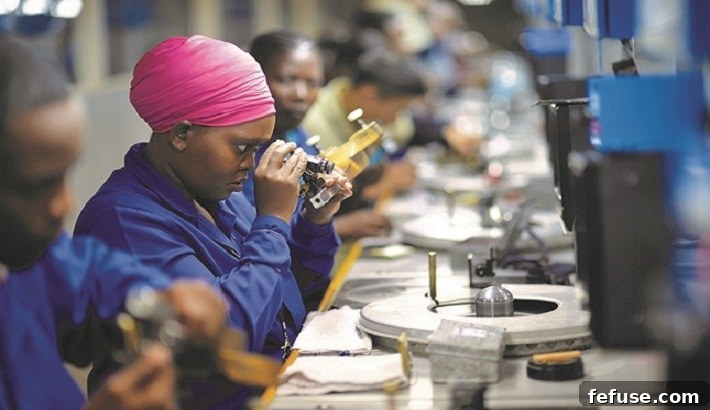
The independent diamond valuator holds a uniquely critical and indispensable position within Namibia’s complex diamond industry. Once Namdeb extracts its rough diamonds, these precious stones are first received and meticulously valued by this appointed independent entity. This exhaustive valuation process involves the detailed examination, precise sorting, and expert grading of the diamonds based on the internationally recognized “4Cs” – carat, cut, color, and clarity – alongside other pertinent market factors. The objectivity, unparalleled expertise, and unassailable independence of the valuator are paramount, as their unbiased assessment directly influences the declared and official value of this vital national resource.
Following this initial, critical valuation by the independent entity, the diamonds are then seamlessly passed on to the Namibia Diamond Trading Company (NDTC). The NDTC represents another crucial joint venture, equally owned by the Namibian government and De Beers. Its primary and vital function is to further sort, value, and ultimately facilitate the sale of 85 percent of Namibia’s rough diamonds to various sight holders. Sight holders are a select group of globally recognized diamantaires and manufacturers who procure rough diamonds directly from producers during scheduled “sights” or exclusive sales events. The remaining 15 percent of the rough diamonds are strategically channeled to Namib Desert Diamonds (Namdia), a wholly state-owned enterprise established with the explicit mandate to promote local beneficiation, enhance domestic value addition, and ensure that Namibia maintains greater control and visibility over a significant portion of its diamond sales.
This meticulously structured entire framework underscores the profound importance of the initial independent valuation. An accurate, transparent, and unbiased valuation guarantees that both the NDTC and Namdia operate with true market values, which, in turn, maximizes the revenue stream flowing directly back to the Namibian government through a combination of taxes, royalties, and dividends derived from its substantial shareholdings in these ventures. Any compromise or flaw in this fundamental initial step could precipitate far-reaching ripple effects, potentially undermining national revenue, weakening the country’s strategic position in the competitive global diamond trade, and ultimately impacting the welfare of its citizens.
Unpacking Allegations of Favoritism and Potential Conflict of Interest
Perhaps the most disturbing and unsettling facet of this N$300 million diamond valuation contract award lies in the very serious and persistent allegations of favoritism and potential conflicts of interest. *The Namibian* newspaper specifically brought to light grave concerns, reporting that “some people linked to Gem Diamonds are known to have benefited from deals at state entities such as Fishcor, Namdia, and the NDTC.” These are not light accusations; they powerfully suggest a potential systemic pattern where individuals with established connections allegedly leverage their influence to secure lucrative government contracts, potentially at the direct expense of fair competition, sound public financial management, and the overarching public interest.
The claim that Gem Diamonds Namibia, despite reportedly demanding a significantly higher price than the incumbent contractor, inexplicably achieved a perfect score in the rigorous tender evaluation, profoundly fuels public and media suspicion. In any truly competitive procurement environment, a substantial price disparity typically warrants an exceptionally intense level of scrutiny, particularly when public funds are involved and the principles of value for money are paramount. If these allegations regarding prior dealings and undue influence peddling are substantiated, they would undoubtedly raise profound and unsettling questions about the fundamental integrity of the tender evaluation process itself, and whether all bidders were indeed afforded genuinely equal and transparent treatment.
Such serious accusations have the potential to severely erode public trust in essential government institutions and the entire public procurement system. They imply that critical decisions may not always be founded on objective merit, optimal value for money, or the paramount national interest, but rather on personal connections, undisclosed agendas, or illicit influence. For an industry as fundamentally critical and economically valuable as diamond mining, any insinuation or confirmed instance of corruption or undue influence can have profoundly far-reaching and detrimental consequences, potentially impacting international investor confidence, tarnishing the nation’s reputation, and ultimately diminishing the financial welfare and future prospects of the entire nation.
The Silence from Key Stakeholders: A Deeper Concern
Adding another layer of disquiet to the unfolding saga of the diamond valuation tender is the conspicuous and unsettling silence from several key stakeholders. The Namibian Ministry of Mines and Energy, which is the very governmental body responsible for the overarching oversight and integrity of the diamond sector, has reportedly abstained from formally challenging the controversial tender outcome. Furthermore, the minister responsible has notably declined to offer any comment on the matter, leaving a significant void of official explanation and accountability for the concerned public.
Equally noteworthy and perplexing is the lack of any public statement or comment from De Beers. As an integral and equal partner in both Namdeb and the Namibia Diamond Trading Company (NDTC), De Beers holds a significant vested interest in the transparent, efficient, and ethical operation of the entire Namibian diamond value chain. Its silence regarding serious allegations surrounding a major valuation contract, especially one directly impacting a joint venture in which it co-owns a substantial stake, is truly perplexing. While multinational corporations often prefer to maintain a discreet distance from domestic political controversies, the sheer gravity and potential widespread impact of these allegations on governance, reputation, and the financial integrity of shared ventures might typically prompt some form of clarification, reassurance, or commitment to ethical standards from such a significant corporate partner.
The collective silence emanating from these pivotal entities only serves to deepen public suspicion and further fuel speculative narratives. In the absence of clear, proactive communication, detailed explanations, and a genuine willingness to openly address the legitimate concerns raised by the media and the public, the narrative of potential impropriety gains undeniable traction. Transparency and accountability are not merely abstract concepts or convenient buzzwords; they represent the fundamental and indispensable pillars of robust good governance, particularly when entrusted with the management of national resources of immense and irreplaceable value such as diamonds. The current predicament emphatically highlights a critical and urgent need for greater openness, candid dialogue, and proactive engagement from all parties involved to comprehensively restore public confidence and uphold the integrity of Namibia’s diamond sector.
Safeguarding Namibia’s Diamond Wealth: A Resounding Call for Transparency
The N$300 million diamond valuation contract awarded to Gem Diamonds Namibia, coupled with the profound and serious allegations surrounding its procurement, represents a watershed moment for Namibia’s vital diamond industry and its steadfast commitment to principles of good governance. The core issues at play transcend a mere contractual dispute; they delve deeply into the fundamental principles of how a sovereign nation manages its most precious and irreplaceable natural resources for the collective benefit of its entire populace and future generations.
The potential economic implications stemming from irregularities are undeniably substantial and far-reaching. Any misstep, compromise, or lack of integrity in the critical diamond valuation process, or any contract awarded without absolute transparency and the assurance of best value for public money, could directly translate into quantifiable lost revenue for the Namibian fiscus. Such a financial shortfall could severely impact vital public services, impede essential infrastructure development projects, and undermine crucial programs aimed at poverty reduction, economic empowerment, and social upliftment across the nation.
Beyond the immediate financial ramifications, the potential reputational damage could be equally, if not more, significant and enduring. Namibia has diligently and strategically worked to establish and maintain its esteemed position as a responsible, ethical, and transparent source of high-quality diamonds on the challenging international stage. Allegations of corruption, undue influence, or compromised procurement processes risk irrevocably tarnishing this carefully cultivated image, potentially eroding investor confidence, affecting market perceptions of its diamond trade practices, and weakening its bargaining power in global markets.
Therefore, there is an urgent and undeniable imperative for comprehensive, impartial, and thorough investigations into the entire tender process for this contentious diamond valuation contract. All allegations of favoritism, conflicts of interest, and claims of inflated pricing must be meticulously examined and verified by truly independent bodies with unimpeachable credibility. Full transparency regarding the precise evaluation criteria, the scores achieved by all participating bidders, and the definitive rationale underpinning the final decision is not merely desirable, but absolutely imperative. The long-term integrity, sustained prosperity, and international standing of Namibia’s diamond sector profoundly depend on robust oversight mechanisms, an unwavering and demonstrable commitment to the highest ethical practices, and a clear, unequivocal demonstration that national interests will always take absolute precedence over private gains. Ultimately, safeguarding Namibia’s unparalleled diamond wealth demands not only world-class mining operations but also an impenetrable shield of transparency, accountability, and ethical governance across its entire invaluable supply chain.