
Glimmer of Hope: US Watch and Jewelry Sales Signal a Potential Recovery
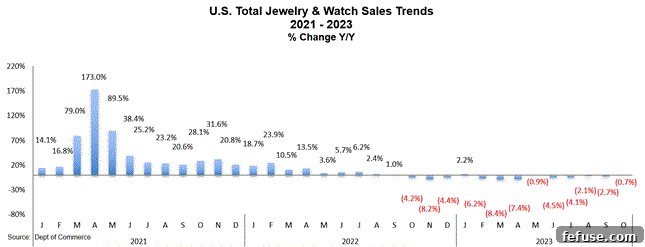
After an extended period of contraction, the United States watch and jewelry market witnessed a significant shift in October, showing the most promising signs of recovery in nearly a year. Following eight consecutive months of decline, sales figures for the luxury retail segment came within a whisper of positive growth. This encouraging development suggests that consumer demand, particularly for discretionary luxury items, is gradually rekindling, underpinned by a stabilizing economic environment.
Navigating the Headwinds: A Year of Contraction
The past year has been challenging for the US luxury watch and jewelry sector. From October 2022 onwards, the market experienced a consistent downturn, reflecting broader economic anxieties, elevated inflation rates, and a shift in consumer spending priorities. Post-pandemic euphoria, which saw a surge in luxury purchases, began to wane as households grappled with rising living costs and increased interest rates, making non-essential high-value items a lower priority. This protracted period of decline had cast a shadow over retailers and manufacturers alike, prompting cautious forecasts and strategic adjustments across the industry.
The consistent contraction, month after month, illustrated a clear hesitancy among consumers to invest in big-ticket luxury items like high-end watches or fine jewelry. Factors such as the Federal Reserve’s aggressive interest rate hikes aimed at cooling inflation directly impacted consumer borrowing costs, influencing everything from credit card rates to personal loans, and consequently, the willingness to make significant discretionary purchases. Many consumers prioritized saving or paying down debt over acquiring new luxury goods, contributing to the prolonged slump observed in the Department of Commerce figures.
October’s Pivotal Performance: A Whisper of Growth
The latest data from the Department of Commerce paints a cautiously optimistic picture. The year-on-year change for US watch and jewelry sales in October registered at -0.7 percent. While still technically in negative territory, this figure represents a remarkable turnaround from the steeper declines observed in previous months. It stands as the most encouraging performance since a 2.2 percent increase recorded back in February, offering a significant psychological boost to a sector hungry for positive news. The narrowing gap to zero growth suggests that the market may be on the cusp of an upward trajectory, provided current economic conditions persist or improve.
What makes October’s -0.7 percent particularly significant is its contrast to the preceding period. Unlike the temporary surge in February, which might have been influenced by specific seasonal or one-off factors, October’s near-stabilization appears to be rooted in broader economic shifts. This almost-break-even performance indicates a fundamental strengthening of consumer confidence and a greater propensity to spend on luxury goods. For many industry observers, this narrow margin represents not just a minor improvement, but a potential turning point after a prolonged downturn, signaling that the worst may finally be over for US watch and jewelry retailers.
Economic Undercurrents Fueling the Turnaround
The nascent recovery in watch and jewelry sales is not an isolated event but rather a reflection of broader positive shifts within the US economy. Several key economic indicators have aligned to create a more favorable environment for consumer spending, especially in discretionary categories. These developments are collectively contributing to a sense of stability and renewed confidence among consumers, which is crucial for the luxury market’s health.
Taming the Inflation Beast
One of the most impactful factors is the noticeable decline in inflation. In October, the Consumer Price Index (CPI) fell from 3.7 percent to 3.2 percent, marking a significant step towards the Federal Reserve’s target. This deceleration in price increases means that consumers’ purchasing power is beginning to stabilize, and the constant pressure on household budgets is easing. When the cost of essential goods and services becomes more manageable, consumers feel more comfortable allocating funds towards non-essential, higher-value purchases such as watches and jewelry. The psychological effect of falling inflation is equally important; it instills a greater sense of financial security and encourages a return to more normalized spending patterns, moving beyond basic necessities.
Stable Interest Rates: A Breath of Relief
Another critical element contributing to the improving outlook is the stability of interest rates. After a series of aggressive hikes throughout 2022 and early 2023, the Federal Reserve opted to keep interest rates unchanged in October. This decision provided a welcome pause for consumers and businesses alike. Stable interest rates reduce uncertainty, making it easier for individuals to plan their finances and commit to larger purchases without the fear of immediate and significant increases in borrowing costs. For items like high-end watches or engagement rings, which may involve financing or represent a substantial investment, predictable interest rates can be a deciding factor. This stability helps to alleviate financial pressure and fosters an environment where consumers are more willing to engage in luxury consumption.
Modest but Meaningful Consumer Spending
The overall rise in US consumer spending during October, albeit a modest 0.2 percent, is another positive signal. While not a dramatic surge, this incremental increase signifies a broader trend of consumers feeling more confident about their financial situations and returning to spending. This modest growth indicates resilience in consumer demand across various sectors, and it’s a vital prerequisite for any recovery in luxury goods. Even a slight uptick in general spending creates ripple effects, enhancing the overall economic mood and capacity for discretionary purchases. This trend, combined with easing inflation and stable interest rates, forms a powerful triumvirate supporting the luxury market’s path to recovery.
The Resilient Luxury Market: Watches and Jewelry in Focus
The watch and jewelry sectors, often considered barometers of discretionary spending and economic health, demonstrate a unique resilience. Despite facing significant economic headwinds over the past year, their enduring appeal suggests a fundamental value proposition that transcends mere utility. As economic conditions stabilize, consumers are rediscovering the allure of these timeless assets, driven by both personal desire and a perception of investment value.
The Enduring Appeal of Timepieces
The watch market continues to be a fascinating landscape, balancing tradition with innovation. While smartwatches have captured a significant segment of the market, the demand for traditional luxury timepieces remains robust, particularly in the premium and ultra-luxury categories. Brands that offer heritage, craftsmanship, and exclusivity continue to attract discerning buyers. Industry trends indicate a growing interest in pre-owned luxury watches, driven by sustainability concerns, value retention, and the accessibility of iconic models. This secondary market provides an alternative entry point for enthusiasts and collectors, contributing significantly to overall market activity. As consumer confidence grows, so too does the willingness to invest in a piece of horological art that represents both personal style and a potential heirloom.
Sparkling Demand for Fine Jewelry
The jewelry market, similarly, is witnessing renewed vigor. Gold, known for its status as a safe-haven asset, continues to see steady demand, especially as economic uncertainties persist in some areas. Diamonds, particularly for engagement and milestone celebrations, remain a cornerstone of the industry. However, shifts are occurring, with increased interest in lab-grown diamonds due to their ethical sourcing and more accessible price points, offering a compelling alternative to natural stones. Personalized and bespoke jewelry pieces are also gaining traction, reflecting a desire for unique, meaningful expressions of individuality. The upcoming holiday season is traditionally the strongest period for jewelry sales, and the positive signals from October bode well for a strong finish to the year, suggesting that consumers are ready to celebrate life’s moments with significant sparkle.
Looking Ahead: Prospects and Potholes
The outlook for the US watch and jewelry market, while considerably brighter than it was a few months ago, remains a mix of promising prospects and potential challenges. The final quarter of the year, encompassing the crucial holiday shopping season, will serve as a vital test of the durability of this emerging recovery. Retailers are preparing for increased traffic and heightened consumer interest, fueled by the improving economic climate and sustained marketing efforts. Projections for November and December will provide further clarity on whether October’s performance was merely an anomaly or the harbinger of a more sustained upturn.
Forecasts for early 2024 suggest a cautious but optimistic trajectory, assuming that inflation continues its downward trend and interest rates remain stable. The luxury market is highly sensitive to consumer sentiment, and prolonged economic stability will be key to sustaining growth. However, potential headwinds still exist. Geopolitical uncertainties, unexpected shifts in global commodity prices, or any resurgence of economic anxieties could temper consumer enthusiasm. Retailers must also navigate inventory management carefully, ensuring they have the right mix of products to meet evolving consumer tastes without overstocking. Supply chain resilience and innovative marketing strategies will also play a crucial role in capitalizing on the improving market conditions.
Opportunities abound for brands that can adapt to changing consumer preferences, offer compelling value propositions, and engage effectively with their target audiences. Continued disinflation, coupled with a robust labor market that maintains strong employment figures, would provide a powerful tailwind for the luxury sector. Furthermore, targeted marketing campaigns that emphasize the emotional value, craftsmanship, and investment potential of watches and jewelry can reinforce their appeal. The signs of recovery are undeniable, but the path forward will require continued vigilance and strategic agility from industry players to fully leverage the renewed consumer confidence.
In conclusion, October’s performance in US watch and jewelry sales represents a significant inflection point after months of decline. The narrow margin to positive growth, supported by easing inflation, stable interest rates, and a modest rise in consumer spending, offers a compelling narrative of recovery. While the luxury market still faces potential challenges, the prevailing economic conditions suggest a strengthening foundation for renewed growth. This glimmer of hope is a welcome development for an industry that thrives on stability and consumer confidence, paving the way for what could be a sparkling end to the year and a promising start to 2024.