
Decoding the Affluent Millennial: A New Era for Luxury Brands
The landscape of luxury consumption is undergoing a transformative shift, largely driven by the burgeoning influence of affluent millennials. A groundbreaking survey conducted by MVI Marketing has cast a revealing light on the preferences of this pivotal demographic, unveiling a fascinating duality: a deep-seated appreciation for established, traditional luxury brands coexists with a distinct predisposition towards high-end brands that master the art of compelling content marketing.
This comprehensive study meticulously polled nearly 1,000 consumers, spanning the 25 to 40 age bracket, each boasting a household income of $80,000 or higher. The findings not only underscore the enduring allure of heritage brands but also illuminate the critical role modern digital engagement plays in capturing the hearts and wallets of these discerning consumers. Understanding this intricate balance is paramount for any luxury brand aspiring to thrive in the evolving market.
The Enduring Allure of Legacy: Traditional Brands Dominate Preferences
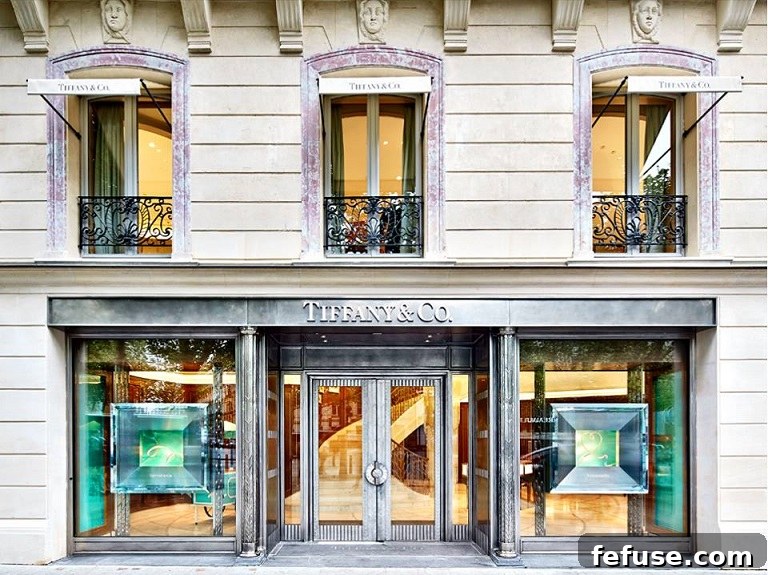
Despite the digital-native upbringing of millennials, the survey clearly indicated that when it comes to iconic jewelry and watch brands, the classics largely prevail. In the realm of jewelry, Tiffany & Co. emerged as the undeniable leader, commanding the top spot with impressive margins. Following closely were other titans of luxury such as Cartier, Pandora, Chanel, Gucci, Harry Winston, Bulgari, David Yurman, Hermès, and Tacori. These brands, steeped in history and synonymous with timeless elegance, continue to resonate strongly with affluent millennial buyers, showcasing the power of brand heritage and established prestige.
Similarly, for watch enthusiasts, Rolex stood unchallenged as the preferred brand. Its nearest competitors included Apple, Omega, Cartier, TAG Heuer, Piaget, Patek Philippe, Breitling, Jaeger-LeCoultre, and Chopard. The consistent presence of names like Rolex, Omega, and Patek Philippe across generations speaks volumes about their perceived value, craftsmanship, and status symbol attributes. These brands have cultivated an image of unparalleled quality and enduring style, which transcends fleeting trends and secures their position at the pinnacle of luxury.
MVI CEO Marty Hurwitz acknowledges the consistent appeal of these traditional giants, noting that other generations would likely also favor Tiffany and Rolex. However, what sets the millennial response apart is the sheer magnitude of their preference. Hurwitz elaborates, “But the distance between Rolex and Tiffany and the rest of the brands was dramatic. I’m not sure that would be the same for the baby boomers.” He specifically points out, “With Tiffany, there was almost a 30-point spread. There is something more going on here, especially with the new nature of these consumers.” This significant disparity suggests that while traditional appeal is strong, other factors are at play, influencing millennial loyalty and perceptions.
Indeed, with the notable exceptions of Apple in watches and Pandora in jewelry, the top-ranking brands are predominantly traditional names. Apple’s inclusion highlights the convergence of technology and luxury, appealing to millennials’ desire for innovation and seamless digital integration. Pandora’s success, on the other hand, often stems from its accessible luxury positioning and personalized charm concepts, which resonate with a broader demographic, including younger affluent consumers seeking personalized expression.
The Power of Storytelling: Content Marketing as a Competitive Edge
The “something more” that Marty Hurwitz refers to precisely points to the strategic importance of content marketing. While heritage provides a strong foundation, the ability of brands to engage with consumers through compelling narratives and valuable information has become a critical differentiator. In other luxury categories, such as hotels and handbags, the survey did not reveal such clear-cut dominant winners, suggesting a more fragmented landscape where brand engagement plays a more pronounced role.
Hurwitz highlights the luxury hotel sector as a prime example of this dynamic. “In the luxury hotel category, Ritz-Carlton was number one, but JW Marriott took the second spot,” he explains. “I wouldn’t really compare Marriott to the Four Seasons. But what is interesting is that Marriott spends millions of dollars on content marketing, putting out videos about different travel destinations. Millennials really like that.” This observation is profoundly insightful. While Ritz-Carlton holds a strong traditional luxury image, JW Marriott’s success in capturing millennial interest can be directly attributed to its robust content strategy. By creating engaging videos and stories around travel, culture, and experiences, Marriott connects with millennials on an emotional level, aligning with their values for authentic experiences and exploration, rather than solely relying on a legacy of opulent service.
Content marketing, in essence, allows brands to tell their story, convey their values, and demonstrate their relevance in a way that traditional advertising often cannot. For millennials, who are often skeptical of overt sales pitches, authentic and informative content builds trust and fosters a deeper connection. They seek experiences, stories, and brands that align with their personal identity and aspirations. Brands that invest in high-quality videos, insightful articles, social media narratives, and interactive digital experiences are effectively building communities and rapport, creating a powerful resonance that translates into brand preference and loyalty.
Strategic Imperatives for the Luxury Sector: Adapting to a Digital Future
The implications of these findings are profound, particularly for industries historically rooted in traditional marketing approaches, such as the jewelry sector. Hurwitz offers a vital piece of advice: “Don’t just look for traditional ways of marketing, even though they may have been successful in the past.” This call to action urges luxury brands to reconsider and evolve their engagement strategies to meet the contemporary demands of affluent millennials.
For jewelry brands, this means moving beyond glossy print ads and exclusive boutiques. It necessitates embracing digital platforms, leveraging social media, partnering with influencers who resonate with millennial values, and crafting compelling content that tells the story behind their craftsmanship, ethical sourcing, and unique designs. Imagine a jewelry brand using immersive virtual reality experiences to showcase the journey of a rare gemstone from mine to finished piece, or producing documentary-style videos highlighting the artistry of their master jewelers. These approaches not only inform but also create an emotional connection and a sense of transparency that millennials highly value.
Furthermore, the focus on experiences and personalization is crucial. Luxury brands need to understand that millennials are not just buying a product; they are buying into a lifestyle, an identity, and a set of values. Tailored content that addresses their specific interests, whether it’s sustainable luxury, bespoke designs, or the cultural significance of a particular piece, will be far more effective than generic advertisements. This adaptability is not about abandoning tradition, but about intelligently integrating modern communication tools to amplify heritage and relevance in the digital age.
Millennials: The Future Architects of Luxury Spending
Looking ahead, Marty Hurwitz predicts that millennials are poised to become the dominant force in the global luxury market. While current economic factors, such as “low incomes, high student debt,” may present temporary challenges, particularly impacting segments like the diamond market, these are seen as transient hurdles. The long-term trajectory for affluent millennials points towards immense spending power.
Hurwitz highlights the geographical concentrations of this wealth: “But where the wealthy live, on the coasts, there are wealthy millennials in tech, finance, and film. And as they acquire wealth, they will latch onto brands.” This group, empowered by careers in burgeoning industries, represents a vast reservoir of future luxury consumers. What’s particularly significant is that their brand loyalties might not exclusively align with traditional names. “They might not all be the traditional brands. They might be new brands,” he suggests, underscoring the potential for disruptive players and innovative newcomers to carve out significant market share.
The “30-year spending cycle” ahead of these consumers represents an unprecedented opportunity for brands. “These kids have a 30-year spending cycle ahead of them and we are just at the beginning of it. They will be a bigger spending bloc than the boomers,” Hurwitz asserts. This extended period of high-value consumption means that brands must think long-term, investing in building relationships and loyalty now. The luxury market will undeniably “look different” as millennial values and preferences reshape its contours. This includes a greater emphasis on sustainability, ethical production, personalized experiences, digital fluency, and brands that authentically communicate their purpose beyond profit.
In conclusion, the affluent millennial consumer presents a complex yet exciting challenge for the luxury industry. While their respect for heritage brands remains strong, their expectations for engagement, authenticity, and digital presence are unprecedented. Luxury brands that understand this nuanced preference—marrying timeless appeal with forward-thinking content strategies—will be best positioned to capture the hearts, minds, and considerable spending power of the next generation of luxury connoisseurs.