
The Alarming Rise of Luxury Watch Thefts: A Deep Dive into the $1.3 Billion Problem
Luxury watches are more than mere time-telling devices; they are symbols of status, intricate pieces of art, and often significant investments. The allure of a finely crafted timepiece, whether it’s the iconic sweep of a Rolex or the sophisticated mechanics of an Omega, captivates enthusiasts worldwide. However, this escalating demand and inherent value have unfortunately cast a dark shadow over the industry: a dramatic surge in luxury watch thefts. In 2022 alone, an astonishing figure exceeding $1.3 billion worth of luxury watches was reported stolen or lost, marking a staggering 60 percent increase from the previous year. This unsettling trend highlights a growing concern for owners, dealers, and the wider horological community, prompting a closer examination of the problem’s scale, the factors driving it, and the strategies being employed to combat this lucrative criminal enterprise.
Understanding the Scope: A Global Epidemic
The scale of luxury watch theft has reached unprecedented levels, transforming what was once a sporadic issue into a pervasive global concern. The London-based company, The Watch Register, a leading authority in identifying missing timepieces, maintains an extensive database that currently catalogs nearly 80,000 missing watches. This colossal number serves as a stark reminder of the sheer volume of high-value assets that have fallen into illicit hands. The 60 percent surge in reported thefts in a single year is not just a statistical anomaly; it represents a significant escalation in criminal activity targeting these coveted items. This increase signals a more organized and sophisticated approach by criminal networks, who are increasingly viewing luxury watches as highly liquid assets that can be easily converted into cash on the black market. The financial implications are immense, with billions of dollars being siphoned away from legitimate owners and the legal market, impacting insurance companies, auction houses, and individual collectors alike.
Targeted Timepieces: The Brands Most at Risk
When examining the data surrounding luxury watch thefts, a clear hierarchy of desirability emerges among criminals. Certain brands, due to their unparalleled prestige, robust demand, and high resale values, are disproportionately targeted. Unsurprisingly, Rolex stands at the apex of this unfortunate list.
The Unrivaled Allure of Rolex
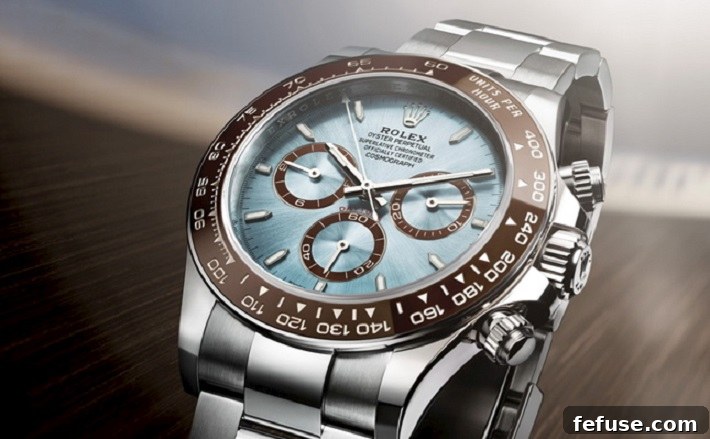
According to The Watch Register’s comprehensive database, nearly half – precisely 44 percent – of all missing timepieces are Rolex watches. This dominance underscores Rolex’s status as the most recognized and sought-after luxury watch brand globally. Several factors contribute to its vulnerability. Firstly, Rolex watches hold their value exceptionally well, often appreciating over time, making them attractive investments for legitimate buyers and, consequently, lucrative targets for criminals. Secondly, the brand’s iconic status and widespread recognition mean that even individuals with limited knowledge of watches can easily identify a Rolex, making them easier to fence. Specific models, such as the Daytona, GMT-Master, and Oyster Perpetual, are particularly prone to theft. These models frequently experience demand that far exceeds supply in the legitimate market, driving up secondary market prices. This imbalance creates a fertile ground for illicit trade, where stolen watches can be sold quickly and profitably, further fueling the theft epidemic. The scarcity and desirability of these particular references make them prime targets, as they command top dollar even without official papers or provenance.
Other High-Value Targets: Omega, Breitling, TAG Heuer, and Cartier
While Rolex accounts for the largest share, other esteemed brands also feature prominently on the list of most-stolen watches. Omega ranks as the second most-stolen brand, representing seven percent of reported thefts. Omega’s reputation for precision, its rich heritage, and iconic lines like the Seamaster and Speedmaster make it a highly desirable target. Following Omega, brands such as Breitling, TAG Heuer, and Cartier also face significant risks. Breitling is known for its robust, aviation-inspired chronographs; TAG Heuer for its connection to motor racing and innovative designs; and Cartier for its elegant, jewel-like timepieces. Each of these brands carries considerable market value and prestige, making them attractive to organized criminal networks who understand the nuances of the luxury watch market and where to find profitable avenues for their illicit gains. The diversification of targets beyond Rolex indicates a broader understanding among thieves of the lucrative nature of various luxury watch segments.
The Driving Forces: Why the Surge in Thefts?
The dramatic increase in luxury watch thefts is not accidental; it is the confluence of several powerful economic and sociological factors:
-
High Value and Liquidity: Luxury watches, particularly those from top-tier brands, possess intrinsic value that often rivals that of precious metals or gemstones. They are compact, easily transportable, and highly liquid, meaning they can be quickly converted into cash. This makes them an ideal target for criminals seeking high returns with relatively low risk, especially if they can evade detection.
-
Demand Exceeds Supply: For many of the most sought-after models, legitimate demand consistently outstrips the supply available from authorized dealers. This creates long waiting lists and drives enthusiasts to the secondary market, often paying significant premiums. This scarcity inadvertently fuels the black market, where stolen watches can be offered at slightly reduced, yet still highly profitable, prices to eager buyers who prioritize acquisition over provenance.
-
Soaring Secondary Market Prices: In recent years, the value of pre-owned luxury watches has skyrocketed, transforming them into significant investment assets. This appreciation in value makes them even more appealing to thieves. A stolen watch, even without its original box and papers, can still fetch a substantial sum, particularly if it’s a rare or highly coveted model.
-
Sophisticated Criminal Networks: As Katya Hills, Managing Director of The Watch Register, aptly noted, “The considerable value and prestige of these high-end timepieces continues to attract the attention of sophisticated and international criminal networks, making them a prime target for theft.” These aren’t opportunistic petty thieves; they are often well-organized groups with global reach, capable of planning elaborate heists, transporting stolen goods across borders, and operating sophisticated fencing operations. They understand market dynamics, how to exploit weaknesses in security, and how to launder their ill-gotten gains.
-
Lack of Awareness and Prevention: Many watch owners may not fully appreciate the extent of the threat or implement adequate security measures. Displaying a high-value watch prominently in public, sharing images on social media with geotags, or lacking proper insurance and registration can all increase vulnerability.
The Ripple Effect: Impact on Owners and the Industry
The surge in watch thefts creates a devastating ripple effect that extends far beyond the immediate financial loss. For individual owners, the experience of having a cherished timepiece stolen can be deeply distressing. Many luxury watches carry immense sentimental value, perhaps marking a significant life event, a family heirloom, or the culmination of years of saving. The financial loss is often compounded by the emotional toll. Furthermore, owners face the arduous task of dealing with insurance claims, which can be complex and may not always fully cover the watch’s replacement value, especially for vintage or highly appreciating models.
For the luxury watch industry, the consequences are equally severe. It erodes consumer trust and confidence, potentially discouraging new buyers or making existing owners more hesitant to wear their valuable pieces. Dealers and auction houses face the constant challenge of ensuring the provenance of the watches they trade, as unknowingly handling stolen goods can lead to significant legal and reputational damage. The insurance industry also bears a heavy burden, with rising claim numbers potentially leading to increased premiums and stricter underwriting policies for watch owners. This creates a less vibrant and more cautious market for luxury timepieces.
Combating the Crisis: Prevention, Protection, and Recovery
In the face of this escalating threat, proactive measures for prevention, protection, and recovery have become paramount for watch owners and industry stakeholders alike. Education is the first line of defense. Owners need to be acutely aware of the risks and adopt prudent personal security habits, such as being discreet about displaying their watches in public, avoiding predictable routines, and refraining from sharing excessive information on social media platforms that could pinpoint their location or possessions.
Comprehensive insurance tailored specifically for high-value watches is non-negotiable. Policies should cover theft, loss, and accidental damage, with careful attention paid to replacement value, especially for models that appreciate rapidly. Furthermore, meticulous documentation is crucial: keeping detailed records of serial numbers, photographs from various angles, original receipts, and any certification papers is vital for identification and insurance claims.
The Crucial Role of The Watch Register
Services like The Watch Register play an indispensable role in combating luxury watch theft and aiding in recovery. Functioning as a centralized international database, The Watch Register acts as a critical hub for connecting stolen watches with their rightful owners and preventing illicit trade. The company helps owners, auction houses, and dealers identify stolen timepieces for a fee, creating a significant deterrent against the resale of stolen goods.
In the past year alone, The Watch Register registered an additional 6,815 watches to its database, marking a substantial 60 percent increase compared to the previous year. This statistic not only mirrors the surge in thefts but also highlights the growing reliance on such services for post-theft recourse. When a watch is reported stolen and registered, its unique serial number is flagged within the system. Before purchasing a watch on the secondary market, reputable dealers and auction houses routinely check its serial number against The Watch Register’s database. This due diligence can prevent them from inadvertently buying or selling a stolen item, thereby disrupting the criminal supply chain and making it harder for thieves to profit from their crimes. The existence of such a robust database significantly reduces the liquidity of stolen watches, making them less attractive targets for criminals.
Beyond simply registering stolen items, The Watch Register and similar organizations often collaborate closely with law enforcement agencies globally, providing vital information that can lead to investigations and recoveries. Their expertise in the nuances of watch identification and market dynamics makes them invaluable partners in the fight against organized watch crime. The fee charged for their services is a small price to pay for the peace of mind and the potential for recovery that they offer, ultimately contributing to a safer environment for luxury watch ownership.
Looking Ahead: Industry Innovations and Collective Action
The future of luxury watch ownership in an era of heightened theft will undoubtedly see further innovations and a greater emphasis on collective action. Watch manufacturers are exploring technologies such as blockchain for immutable provenance tracking, making it harder to falsify ownership or origin. Enhanced security features on watches themselves, while challenging to implement without compromising aesthetics, might also become a focus.
Closer collaboration between law enforcement agencies, watch manufacturers, insurance providers, and watch registration services will be essential. Sharing intelligence, coordinating efforts across international borders, and streamlining reporting and recovery processes can create a more formidable front against criminal networks. Ultimately, preserving the joy and prestige of luxury watch ownership in this challenging environment requires ongoing vigilance, smart security practices, and a unified commitment from all stakeholders to protect these exquisite treasures.
Conclusion: Safeguarding Priceless Time
The escalating trend of luxury watch thefts, with over $1.3 billion reported stolen or lost in 2022, represents a serious threat to a revered industry and its passionate collectors. From the dominant presence of Rolex models like the Daytona and GMT to the significant targeting of Omega, Breitling, TAG Heuer, and Cartier, the criminal focus is clear: high-value, highly liquid assets driven by robust secondary market demand. The problem is exacerbated by sophisticated international criminal networks who view these timepieces as easily convertible currency. However, the fight is far from over. Through increased owner awareness, comprehensive insurance, diligent documentation, and the invaluable services provided by entities like The Watch Register, the industry is building a stronger defense. By making it harder for stolen watches to disappear into the black market, and by fostering greater collaboration among all parties, the goal is to deter criminals and safeguard these priceless time-telling masterpieces for generations of enthusiasts to come. The beauty and craftsmanship of luxury watches deserve to be celebrated and enjoyed, not feared for their vulnerability.