
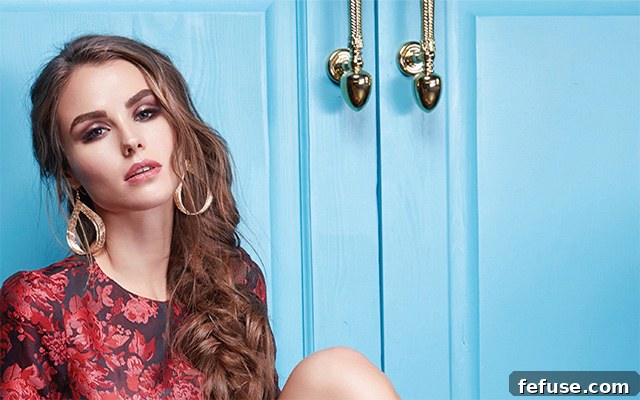
The Ultimate Guide to Earring Trends: From Statement Pieces to Everyday Luxury
This season, the dictum for earrings is clear and emphatic: the bolder, the better. We are witnessing a magnificent resurgence of statement jewelry, driven by today’s style-conscious consumers who are keen to distinguish themselves and express their unique identities. Among all accessories, earrings stand out as the most universally appealing and wearable piece. Whether embracing feminine charm, masculine edge, or an androgynous aesthetic, individuals across all age groups and genders rely on earrings to complete and elevate their outfits. Their unparalleled versatility makes them an indispensable item in any wardrobe and, consequently, a powerful sales driver for retailers.
The enduring popularity of earrings is not a modern phenomenon but a testament to their timeless appeal throughout history. As journalist Maureen Zambito highlighted in The Intelligencer, “Scatter pins and earrings, charm bracelets and necklaces were worn daily in the twentieth century. By the 1960s, fashion had changed and trends brought less-ladylike looks and a hippie, mod fashion… but still, earrings were important.” This historical persistence underscores the unwavering significance of earrings in the ever-evolving narrative of fashion.
A Triumphant Comeback: Embracing Vintage and Bold New Designs
The fashion cycle consistently brings back beloved styles, and the current earring landscape is a vibrant homage to past eras, reimagined for the modern wearer. Iconic figures like Twiggy, who famously paired loud outfits with enormous plastic earrings in the 1960s, or David Bowie, whose bedazzling ensembles often featured bright, dangly earrings in the 70s, laid the groundwork for today’s expressive trends. Pop legends such as Madonna, Prince, and George Michael further solidified this movement in the 1980s, transforming earrings into quintessential symbols of style and rebellion.
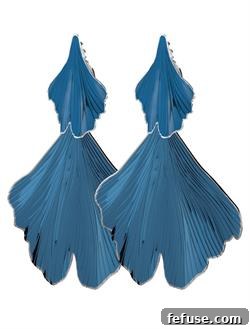
Today, the vintage aesthetic is deeply embedded in mainstream fashion, with contemporary jewelry designers expertly reworking styles from all major fashion epochs. Earrings are no exception to this renaissance. Nina Agerskov Myrlund, communications manager at Dryberg/Kern (a brand distributed by Australian supplier JLM), confirms this prevailing sentiment: “We’ve seen a major trend in statement earrings for the past year or so and that seems to be strong for the coming year as well.” This strong and sustained trajectory indicates that the appetite for bold earrings is growing, solidifying their position as a long-term trend rather than a fleeting moment.
The Resurgence of Hoops and Playful Asymmetry
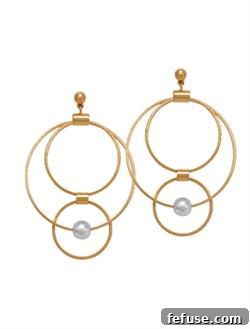
Among the most significant comebacks are hoop earrings, which are dominating the market in various forms. Cheryle Roberts, managing director of Stones & Silver, notes that both small and generously sized hoops have consistently ranked as the brand’s best-selling category at recent trade shows. Roberts observes, “It looks like the 1980s disco era is making a comeback and it’s even stronger for 2018,” highlighting the enduring appeal of these circular wonders. From sleek, minimalist bands to elaborate, gem-encrusted designs, hoops offer a powerful yet accessible statement that effortlessly transitions from day to night.
Adding a fresh, contemporary twist to traditional ear adornment, the trend of mismatched earrings is rapidly gaining popularity. Myrlund points to the increasing demand for wearing unique combinations, such as a silver earring in one ear and a gold one in the other, creating a deliberate and chic asymmetry. Helen Thompson-Carter, director of Fabuleux Vous, also highlights the growing vogue for wearing one short and one long earring, a trend that has rapidly gathered momentum. This move away from perfect symmetry encourages wearers to experiment with personal style, offering an opportunity for creative self-expression through unexpected pairings.
Tassels, Drops, and Daring Designs That Captivate
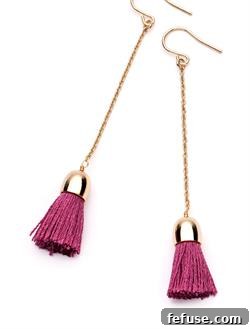
Beyond the classic appeal of hoops and the modern allure of mismatched styles, the market is brimming with innovative designs that push the boundaries of creativity. Chloe Sandland, marketing manager at Buckley London, suggests that designs have become significantly more “daring,” with large, colorful statement earrings making a substantial impact on mainstream fashion. “Chain and tassel drop earrings, oversized hoops and mismatched styles have all recently been introduced to the high street,” Sandland explains. She further adds that Buckley London’s Autumn/Winter collections prominently feature “earrings with mixed shapes, multiple settings and a focus on drop styles,” signaling a clear move towards more elaborate, dynamic, and eye-catching pieces that demand attention.
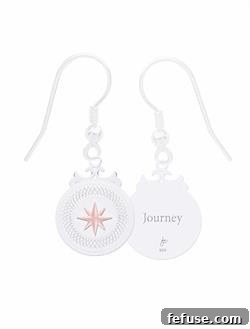
Brisbane-based gem dealer Charles Lawson has observed designers creating “twin earrings where each earring is matched in style but not identical to the other,” further emphasizing the nuanced approach to asymmetry. He notes a strong presence of “colourful tassel earrings” in the fashion sector, a trend that is elegantly translated into fine jewelry through the strategic use of vibrant, brightly colored gems like flat-cut rubies, rough shards of tourmaline, and delicate tassels crafted from fine chains. Lawson expresses particular excitement about seeing “many different coloured stones used together to create stunning designs,” often featuring the mesmerizing opal as a captivating center stone, predicting that these vivid and eclectic trends will resonate deeply within the local market. Amy Bradley, director of Pastiche, reinforces these observations, reporting that “large, fine hoops with interesting details, as well as our tassel earrings in various colours” have been among their top-selling items, cementing the widespread appeal of these dynamic and expressive styles.
The Art of the Earscape: Layering and Multiple Piercings
The contemporary jewelry landscape is also profoundly shaped by the escalating trend of layering, which encourages consumers to wear multiple earrings of different styles simultaneously, crafting personalized “earscapes.” Jemma Fennings, co-founder of London-based line Olivia Burton, notes, “As the jewellery-layering trend continues to grow, we’re expecting petite hoops that can be easily paired with other pieces to be big for 2018.” This approach allows for unparalleled personalization and creative expression, transforming the ear into a canvas for individual style. Furthermore, in direct response to the rising popularity of multiple ear piercings, Olivia Burton has innovatively introduced a new line of “teeny-tiny hoops,” specifically designed to cater to those who adorn their ears with an array of delicate and complementary pieces, creating a cohesive yet diverse look.
The Renaissance of Fine Jewelry: Seamlessly Integrated into Everyday Fashion
While the capricious winds of fashion trends may shift with each season, the inherent value and timeless allure of precious metals and stones ensure their lasting appeal. Fine jewelry, traditionally associated with sentiment, heirloom status, and significant life events, stands in perceived contrast to seasonal fashion pieces. However, in recent years, the distinctions between fashion and fine jewelry have become beautifully blurred. Suppliers from both sectors are increasingly incorporating diverse materials, innovative designs, and a broad range of styles, strategically aiming to capture the dynamic upper-middle market and cater to a wider spectrum of tastes and preferences.
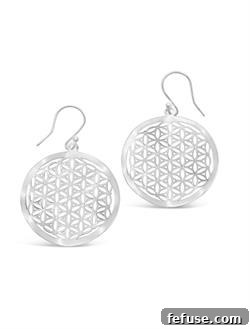
Fine jewelry is no longer exclusively reserved for formal galas or grand occasions; it has confidently permeated the realm of everyday fashion. Celebrities and influential figures play a pivotal role in accelerating this transformation, often opting for bespoke statement pieces that echo the grandeur of past style icons, such as Elizabeth Taylor’s extravagant displays in the 1950s. A striking example of this shift was Beyoncé’s unforgettable appearance at the Grammy Awards, where she captivated audiences with a pair of 70-carat diamond and titanium drop earrings designed by Lorraine Schwartz, valued at over $US6 million. Such high-profile moments are testament to what style gurus worldwide are enthusiastically dubbing “the fashionable return of fine jewellery.” These precious pieces are reclaiming runways across the US and Europe, confidently asserting their place in contemporary, even casual, ensembles, with Australia poised to follow suit.
Consequently, discerning jewelry retailers are now encountering a new generation of customers who desire the best of both worlds: pieces that not only align with current fashion trends but also possess the inherent quality, craftsmanship, and durability of fine jewelry. Jemma Fennings observes, “We’ve seen that consumers are looking to regularly update their jewellery box with quality pieces that will stand the test of time.” This growing demand for enduring style reflects a more conscious, value-driven approach to jewelry acquisition, where longevity and intrinsic worth are as important as aesthetic appeal.
The Enduring Allure of Yellow Gold
Historically, yellow gold was often perceived as the domain of mature markets and classic, high-end pieces, frequently associated with heirlooms and traditional designs. However, this perception has undergone a remarkable evolution, with yellow gold experiencing a significant resurgence and becoming a highly coveted material among younger demographics. Amy Bradley affirms this trend: “Yellow gold is definitely on the rise; it has made a smooth transition from traditional jewellery items like heirlooms and wedding bands into the fashion jewellery market.” This renewed enthusiasm for yellow gold signals a departure from the cooler-toned metals that previously dominated, embracing its warm, radiant glow. In a strategic response to this burgeoning demand, Pastiche’s youth-focused brand, Dear Addison, recently unveiled its “Sunshine Collection,” featuring exquisitely sweet and delicate yellow gold-plated pieces that perfectly capture this modern, approachable aesthetic, appealing directly to younger consumers.
Connecting with the Modern Consumer: Millennials, Gen Z, and the Power of Social Media
The influence of global icons like Beyoncé extends far beyond the red carpet, shaping the aspirations of Millennials, Gen Y, and even the emerging ‘iGen’ age group. These younger consumers are highly aspirational, often seeking to emulate the styles and choices of their favorite celebrities and social media influencers. Nina Agerskov Myrlund eloquently articulates the pervasive role of digital platforms: “It’s all about social media these days. The Millennials find inspiration online by looking to influencers that they relate to. It’s peer-review golden days and in order to reach the younger generations, we need to meet them on their ground – Instagram, Facebook, and Pinterest.”
Brands that have successfully navigated this digital landscape, such as Olivia Burton, have reaped significant rewards. Jemma Fennings highlights their brand’s “particularly loyal, active following on Instagram,” noting that actively engaging customers in online conversations about new product releases has directly contributed to boosted sales. However, this tech-savvy generation also presents a unique set of challenges. Helen Thompson-Carter observes that while these consumers desire aspirational looks, they often seek a lower price point and may hold “no sentimental value or emotional connection to the pieces purchased.” For this demographic, “Looking good is what is important,” she explains. “Social-media platforms with quality imagery, brand association, and influencers’ choices are important to this group,” underscoring the critical need for visually engaging content and strategic collaborations.
The Delicate Balance Between Desire and Affordability
This dynamic interplay between aspirational desires and practical budget constraints creates a fascinating tension for jewelry designers and retailers. While Beyoncé’s multi-million dollar diamond earrings represent the pinnacle of desired luxury, the broader market demands that designers skillfully strike a delicate balance between luxurious aesthetics and accessible pricing. Amy Bradley of Pastiche clearly articulates this pressure: “The demand for bigger styles can put an added pressure on suppliers, and consequently retailers, to maintain competitive prices.” To address this market need, Pastiche has ingeniously leveraged materials like stainless steel, enabling them to produce impressive, prestige-style earrings at significantly more affordable price points. “Producing the bigger styles in stainless steel allows us to deliver on size with a desirable price tag,” Bradley affirms, showcasing a smart adaptation to market demands.
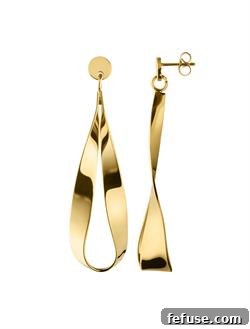
Another innovative approach to enhance both affordability and versatility lies in the burgeoning popularity of single earrings and multi-functional designs. Pastiche, for instance, has observed substantial growth in their single earring sales, expanding their offerings with “many more designs that are standalone rather than simply part of a set.” Chloe Sandland of Buckley London echoes this sentiment, highlighting single earrings as a practical strategy for lowering price points for consumers. “Two-part earrings and earrings that can be worn multiple ways were recently introduced to the Buckley London range and we see this trend continuing into 2018,” she explains. These ingenious designs offer “great value for money, giving the wearer numerous styles in one product,” perfectly aligning with the modern consumer’s desire for adaptability, smart investment, and diverse styling options.
For younger clients seeking a personalized touch, the demand for custom-made jewelry persists, even within tight budget constraints. Charles Lawson notes that these clients, keen to own unique pieces without excessive spending, often opt for “calibrated-size citrine stones or some Australian opal free-forms” and exhibit a greater openness to “using the rough gemstone material.” This signifies a shift in value perception, prioritizing originality, natural beauty, and bespoke craftsmanship over traditional notions of flawless, high-carat perfection.
Navigating the Challenge of Fast Fashion and Market Competition
The rapid rise and pervasive influence of lower-end chain stores, adept at quickly capturing market demand with demi-fine and imitation precious jewelry, present a formidable yet ultimately beneficial challenge to established jewelry brands. Nina Agerskov Myrlund candidly acknowledges this dynamic: “Giants such as H&M and Zara will retail a pair of statement earrings at almost one-tenth of our price. The quality is, of course, incomparable to ours; however, it pushes us to perform our best in metrics such as branding, production, design, and marketing – [the chains] keep us at the top of our game.” This intense competitive environment acts as a powerful catalyst for innovation, compelling brands to continually refine their unique value propositions, differentiate their offerings, and strengthen their brand identity in a crowded market.
As fine jewelry becomes increasingly accessible – or at least its aspirational aesthetic – the traditional perceptions of when and how it should be worn are rapidly evolving, paving the way for exciting new expressions of personal style and challenging long-held conventions.
Effortless Glamour: Integrating Fine Jewelry into Everyday Style
The conventional fashion rulebook of yesteryear has been decisively rewritten, ushering in an era of sartorial freedom. In today’s dynamic fashion landscape, it is perfectly acceptable, even chic, to pair your most casual attire with your most opulent accessories. The concept of dressing for the beach while adorning yourself with jewelry fit for a grand ball is no longer a contradiction but a bold statement of modern elegance. Whether it’s the striking contrast of rugged denim paired with dazzling diamonds, or a simple cotton t-shirt elevated by the radiant glow of gold, there are no limits to how fine jewelry can complement, enhance, and transform relaxed, everyday looks.
Anissa Kermiche, a celebrated jeweler and fashion editor for WhoWhatWear.com, perfectly encapsulates this philosophy. In December 2017, she famously described her single Mobile Doré Earring, exquisitely crafted from 18-carat yellow gold and a freshwater pearl, as “perfect with jeans and a t-shirt.” This sentiment highlights a broader cultural shift: fine jewelry is increasingly viewed as an extension of personal style, designed to be seamlessly integrated into any outfit, regardless of its formality. Chloe Sandland of Buckley London further corroborates this trend, stating that while “larger statement earrings have been a major fashion trend, we have also seen a rise in sales of our more classic and simple earring styles.” This dual demand demonstrates that contemporary consumers seek both bold, trend-driven pieces and versatile, understated earrings suitable for “every day and for any occasion,” underscoring the universal desire for jewelry that adapts fluidly to a dynamic and multifaceted lifestyle.
Global Influences and Regional Adaptations in Jewelry Design and Market Strategies
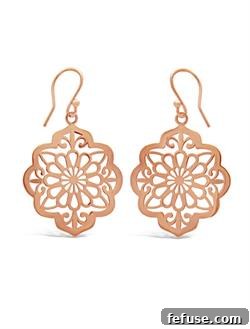
The intrinsically global nature of fashion dictates that trends often ripple across continents, with styles originating in Europe and the US typically influencing markets like Australia, usually within a two-to-four-year timeframe. Recognizing this predictive pattern, Australian designers and suppliers are proactively planning their collections to stay strategically ahead of the curve. Cheryle Roberts of Stones & Silver emphasizes this forward-thinking approach: “We always have very exciting releases of on-trend jewellery, sometimes well ahead of consumer demand.” She cites their black rhodium-plated products as a prime example, which, despite an initial lukewarm reception in early 2017, experienced a significant surge in popularity and strong sales in 2018, demonstrating the critical importance of foresight and patience in the industry. Roberts also observes that “large hoops, statement pieces, rose gold-plated earrings and filigree designs are still increasing in popularity,” while “very few are after the small and dainty traditional earring this year,” unequivocally underscoring the prevailing preference for bold, impactful designs over delicate, understated ones.
Interestingly, while a broad consensus points towards the continued dominance of statement pieces, there are also intriguing divergent trends. Jemma Fennings of Olivia Burton, whose primary customer base is UK-based, has noted a distinct “shift away from statement jewellery towards micro styles,” adding that it’s “really exciting to see people are falling for daintier pieces” which align perfectly with their brand’s characteristic delicate proportions. This contrast highlights the diverse preferences within global markets and the critical importance of understanding specific regional nuances and consumer segments. For Amy Bradley of Pastiche, a seamless and thoughtful blend of global trends with a distinct brand identity is paramount. “We are always watching trends around the world,” she states, ensuring that their design team meticulously considers and aligns with new trends “in a way that is distinctly Pastiche and caters to our loyal fan base.” Similarly, Helen Thompson-Carter of Fabuleux Vous stresses the continuous need for global awareness: “We follow what is happening globally – especially Europe and the US – and try to stay as far ahead of the game as we can.”
Even within the specialized realm of gem dealing, fashion trends exert significant influence. Charles Lawson, a Brisbane-based gem dealer, readily admits that fashion is “equally important to his business.” He strategically endeavors to “keep stock of the next big trend,” evidenced by his proactive acquisition of beautiful purple and violet gems such as amethyst, garnet, and sapphire to meet anticipated demand, closely following Pantone’s designation of a violet shade as the color of the year. This proactive and integrated approach across all facets of the jewelry industry, from design and manufacturing to retail and gem sourcing, ensures that suppliers and retailers remain well-prepared to meet the evolving and diverse desires of consumers.
As fine jewelry and mainstream fashion continue their exciting convergence, the rising demand for statement pieces unequivocally signifies a broader and more diverse demographic of shoppers entering the market. Whether consumers are young or old, indulging in significant expenditures or carefully managing their budgets, the universal and captivating appeal of earrings remains constant, firmly cementing their status as an essential, must-have accessory for all. The contemporary earring market is a vibrant, innovative, and constantly evolving landscape, promising a future filled with exciting designs, new materials, and dynamic expressions of personal style for years to come.