
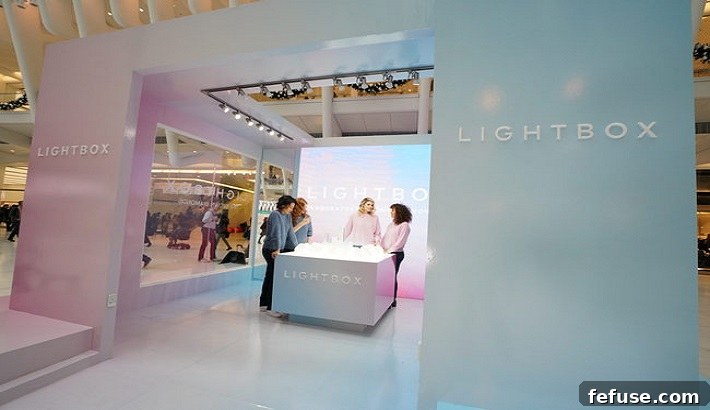
Lightbox Illuminates New York: A Strategic Pop-Up Unveils Lab-Grown Diamond Jewelry Experience
New York City, NY – In a significant move that bridges the gap between digital presence and tangible experience, Lightbox, the innovative lab-grown diamond jewelry brand from De Beers, recently launched its inaugural pop-up store. Strategically timed to coincide with the peak shopping frenzy of Cyber Week, this temporary retail space offered consumers an exclusive opportunity to explore and try on the brand’s exquisite launch collection, previously available solely through its online platform.
The Dawn of a New Era for Lab-Grown Diamonds with Lightbox
Lightbox Jewelry has rapidly emerged as a pivotal player in the evolving diamond market. As a subsidiary of the venerable De Beers Group, Lightbox brings an unparalleled level of credibility and expertise to the lab-grown diamond sector. The brand’s mission is clear: to offer consumers beautiful, high-quality lab-grown diamonds at accessible price points, fostering transparency and choice. Unlike traditional mined diamonds, which are valued based on rarity and often carry complex supply chain narratives, lab-grown diamonds offer a modern alternative with identical chemical, physical, and optical properties, produced with controlled origins and environmental considerations.
The introduction of Lightbox represented a strategic diversification for De Beers, acknowledging the growing consumer interest in lab-grown options. By creating a distinct brand, De Beers effectively segmented the market, allowing Lightbox to cater specifically to those seeking contemporary, ethically conscious, and affordably luxurious diamond jewelry. This dual-brand strategy enables De Beers to maintain its heritage in natural diamonds while embracing and leading innovation in the lab-grown space. The quality assurance inherent in Lightbox products, backed by De Beers’ stringent standards, distinguishes it within a crowded and sometimes unregulated lab-grown market.
A Groundbreaking Pop-Up Experience at The Oculus
The grand opening of Lightbox’s first-ever pop-up store took place on Cyber Monday, marking a high-profile debut at The Oculus, the architecturally stunning transportation hub located at the site of the rebuilt World Trade Center in New York. This iconic location was a deliberate choice, offering immense visibility and attracting a diverse stream of both local commuters and international tourists. The Oculus, renowned for its striking Santiago Calatrava design and its role as a major retail and cultural destination, provided an unparalleled backdrop for Lightbox to make its physical world debut.
The pop-up store, which remained open through December 2nd, served a unique purpose. Rather than a traditional sales outlet, it was designed as an experiential showroom. Lightbox’s existing business model is primarily e-commerce, and this pop-up aimed to complement that by providing a tactile experience that online shopping inherently lacks. Consumers could engage directly with the jewelry, feel the weight, observe the sparkle, and appreciate the craftsmanship up close. This physical interaction is crucial for high-value items like diamond jewelry, allowing potential customers to build confidence and connection with the brand before making a purchase.
Bridging the Digital and Physical Divide
Before this pop-up, Lightbox jewelry was exclusively an online commodity. While e-commerce offers convenience and broad reach, the absence of a physical retail presence in the brand’s initial launch market, the US, presented a challenge for some consumers. Many still prefer the reassurance of seeing and touching jewelry before committing to a purchase. The pop-up store successfully addressed this by offering a tangible point of interaction without disrupting Lightbox’s streamlined online sales process.
During the Cyber Week event, shoppers visiting the pop-up were able to view the full Lightbox launch collection. This included a variety of designs, from elegant solitaires to playful pendants and earrings, all featuring Lightbox’s signature lab-grown diamonds. Crucially, while direct in-store purchases were not facilitated, interested customers had the convenient option to place their orders online directly from within the pop-up store. To further incentivize this, Lightbox offered a compelling benefit: all orders placed at the pop-up received complimentary expedited shipping. This thoughtful integration seamlessly blended the physical browsing experience with the efficiency of online purchasing.
An Educational Hub for Lab-Grown Diamond Enthusiasts
Beyond simply showcasing products, the Lightbox pop-up served as an invaluable educational resource. A dedicated team was on hand to answer questions, provide clarifications, and share detailed information about the brand, its commitment to quality, and the fascinating science behind lab-grown diamonds. This direct engagement allowed consumers to delve deeper into the origins and attributes of Lightbox diamonds, understanding their identical composition to mined diamonds and the technological advancements that make them possible.
Many consumers are still learning about lab-grown diamonds, and the opportunity to speak with knowledgeable brand representatives face-to-face helps dispel misconceptions and build trust. This personal interaction fosters a deeper understanding of Lightbox’s value proposition – exceptional quality, stunning designs, and transparent pricing. The pop-up experience thus evolved into more than just a viewing opportunity; it became an immersive educational journey into the future of diamond jewelry.
Distinguished Presence: Leadership and Brand Ambassadors
The opening of the Lightbox pop-up was graced by the presence of key figures from the brand, underscoring its importance. Lightbox General Manager Steve Coe and Head of Marketing Sally Morrison were in attendance, personally overseeing the launch and interacting with visitors. Their presence highlighted Lightbox’s dedication to this new retail experiment and its direct engagement with the consumer base.
Adding a touch of glamour and familiarity, some of the models featured in Lightbox’s advertising campaigns were also present. This created an exciting atmosphere, allowing visitors to connect faces with the brand’s visual identity and further enhancing the immersive experience. The combination of leadership presence and brand ambassadors contributed to a vibrant and engaging environment, drawing more attention to the temporary store.
Overwhelming Reception and Future Implications
Early media reports and anecdotal evidence suggest that the Lightbox pop-up at The Oculus has been an unqualified success. It attracted considerable attention from curious customers, with large numbers visiting the store to explore the collection and learn more about lab-grown diamonds. This enthusiastic reception validates Lightbox’s strategy of combining its robust e-commerce platform with carefully curated physical touchpoints.
The success of this pop-up could signify a broader trend for Lightbox and potentially for other digitally native brands. While online sales remain central, strategic physical retail experiences offer a powerful way to enhance brand visibility, build consumer confidence, and deepen engagement. Pop-up stores provide a low-risk, high-impact method for e-commerce brands to test the waters of physical retail, gather direct customer feedback, and create memorable brand moments. For Lightbox, this successful experiment in New York during a pivotal shopping period may well inform future retail strategies, potentially leading to more pop-ups in key markets or even the exploration of permanent retail spaces as the brand continues to grow and evolve.
Ultimately, Lightbox’s pop-up store at The Oculus was not just a temporary selling point; it was a strategic declaration. It demonstrated the brand’s commitment to innovation, its responsiveness to consumer desires for both digital convenience and tangible interaction, and its pioneering spirit in shaping the future landscape of the diamond jewelry market with beautiful, accessible, and transparent lab-grown diamonds.