
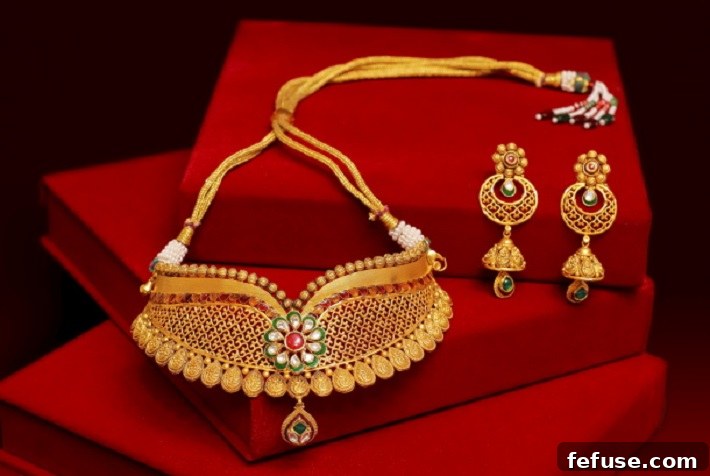
The vibrant landscape of Hong Kong’s diamond trade is currently experiencing a significant tremor, marked by the closure of numerous Indian diamond trading offices. A staggering seventy Indian diamond traders have reportedly ceased operations in Hong Kong over the past six months, signaling a profound shift in consumer preferences within the crucial Chinese market. This exodus is primarily attributed to Chinese customers increasingly turning away from natural diamonds, opting instead for gold jewelry as a more secure and traditional form of investment.
This unsettling trend reveals a deeper crisis within the sector. Data compiled by the regional news website The Blunt Times indicates that more than one in ten of the approximately 600 merchants hailing from Surat and other regions in the western Indian state of Gujarat have already packed up and returned home. These Indian traders, who have historically played a pivotal role in Hong Kong’s reputation as a global diamond hub, are facing unprecedented challenges, highlighting the severe slump in sales that has gripped the market.
The decline in demand for natural diamonds in China has been nothing short of dramatic. Since the onset of the COVID-19 pandemic in 2020, the volume of natural diamond sales has plummeted by as much as 60 percent. Concurrently, the prices of polished diamonds have seen a substantial correction, falling by at least 40 percent over the last three years. This sharp downturn underscores a fundamental shift in consumer behavior and economic priorities, moving away from luxury items perceived as discretionary spending towards assets with tangible and reliable investment value.
In stark contrast to the diamond market’s struggles, gold prices have experienced a remarkable surge over the same period, fortifying its position as a favored investment vehicle. Over the last four years, gold prices have soared by an impressive 48 percent, climbing from approximately $1,575 to $2,326 per troy ounce. This rally culminated in an all-time high of $2,483 per troy ounce just last month, solidifying gold’s appeal amidst global economic uncertainties and inflationary pressures. The divergence in performance between these two precious commodities is a key driver of the current market reorientation.
Chinese consumers, known for their pragmatic approach to wealth management and a deep-rooted cultural affinity for gold, are increasingly switching their focus from diamonds to gold. This transition is not merely a matter of changing fashion but stems from a rational decision to seek safer, more predictable investments. In times of economic slowdown and fluctuating markets, gold’s historical role as a safe-haven asset becomes particularly attractive, offering a sense of stability and a reliable store of value that diamonds, traditionally marketed for their emotional and symbolic significance, struggle to match as an investment.
The broader economic climate in China cannot be overlooked when analyzing this shift. Recent years have seen China grapple with various economic headwinds, including a slowdown in its property market, rising youth unemployment, and a general tempering of consumer confidence. In such an environment, discretionary luxury spending, particularly on items like diamonds which often involve significant markups and limited resale value, becomes less appealing. Consumers are more inclined to preserve wealth through assets like gold, which can be readily liquidated and traditionally hold their value, or even appreciate, during periods of economic instability. The psychological comfort of a tangible, universally recognized asset like gold outweighs the allure of a luxury item whose value proposition is primarily emotional.
Furthermore, the cultural significance of gold in China is deeply embedded and enduring. Gold has long been a symbol of prosperity, good fortune, and enduring wealth in Chinese tradition. It is frequently exchanged during auspicious occasions such as weddings, births, and New Year celebrations, serving both as a gift and a tangible investment. This intrinsic cultural value, coupled with its proven track record as an inflation hedge and a stable asset, gives gold an undeniable advantage over diamonds in the eyes of the average Chinese investor. While diamonds represent modern luxury, gold embodies centuries of tradition and financial prudence, a distinction that becomes amplified during periods of economic uncertainty.
The “investment” narrative surrounding diamonds has always been somewhat complex and often misunderstood by consumers. Unlike gold, which is traded as a commodity with a relatively transparent global market price, the value of a polished diamond is highly subjective, influenced by the 4 Cs (carat, cut, color, clarity) and intricate market dynamics. The significant retail markups on diamonds mean that they rarely retain their initial purchase value upon resale, making them a poor liquid investment in comparison to gold. This lack of clear, consistent resale value makes diamonds less attractive to financially savvy consumers looking to diversify their investment portfolios, especially when compared to gold’s liquidity and universal acceptance as a financial asset. The realization of this disparity is a crucial factor driving the current consumer exodus from diamonds.
Changing demographics and evolving consumer values also play a significant role. Younger generations in China, including millennials and Gen Z, exhibit different purchasing behaviors and priorities compared to their predecessors. While they appreciate luxury, their perception of value often extends beyond traditional status symbols to include factors like sustainability, ethical sourcing, and practical utility. The emotional marketing once synonymous with diamonds, often linked to concepts like “forever,” may resonate less with a generation that is more digitally native, socially conscious, and financially pragmatic. The rise of alternative luxury items, experiential spending, and even lab-grown diamonds (which offer similar aesthetics at a lower price point) further challenges the natural diamond industry’s traditional dominance and perceived exclusivity.
This shift has profound implications for Hong Kong’s role as a preeminent global diamond trading hub. For decades, Hong Kong has served as a critical gateway for diamonds entering the vast Chinese market, facilitating trade between major diamond centers like Mumbai and Antwerp and consumers in mainland China. The city’s robust infrastructure, free-trade policies, and proximity to China made it an ideal location for diamond merchants. The current closures and diminished trade volume threaten to erode Hong Kong’s standing, forcing a reevaluation of its future in the global diamond supply chain. The ripple effects could extend to related industries, including logistics, finance, and jewelry manufacturing, which have long supported the diamond trade in the region.
The impact is particularly acute for Surat, India, which is globally renowned as the world’s largest diamond cutting and polishing center. Thousands of skilled artisans and businesses in Surat depend heavily on demand from markets like China. A prolonged slump in Chinese demand directly translates to reduced orders, potential job losses, and economic strain for this critical industry hub. The intricate ecosystem, from rough diamond suppliers to polishers and traders, feels the immediate pinch, leading to widespread uncertainty and pressure to explore new markets or diversify their offerings. The well-being of countless families and the stability of a regional economy are directly tied to the fluctuating fortunes of the global diamond market.
Globally, the natural diamond industry faces a formidable challenge. From major mining corporations to retailers, stakeholders are being forced to adapt to a new reality where China, once a rapidly expanding market, is now showing a significant contraction in demand for natural diamonds. This necessitates a fundamental re-evaluation of marketing strategies, supply chain efficiencies, and investment in future growth areas. The industry may need to pivot towards emphasizing the rarity, enduring beauty, and ethical sourcing of natural diamonds, rather than attempting to compete with gold on the grounds of investment value. Diversifying market focus away from an over-reliance on any single region will also be crucial for long-term resilience.
Looking ahead, the diamond industry must proactively develop innovative strategies to recapture consumer interest in China and beyond. This could involve highlighting the artistic craftsmanship, bespoke designs, and unique stories behind individual diamonds. Emphasizing diamonds as symbols of personal expression, milestones, and heirloom quality rather than purely financial assets might resonate more effectively with modern consumers. Furthermore, clearer communication about the true value proposition of diamonds, perhaps by differentiating them from gold’s investment appeal, could help manage consumer expectations and rebuild confidence in the category. The industry needs to adapt its narrative to align with contemporary consumer priorities and values.
Conversely, the enduring appeal of gold appears to be a consistent force in the financial landscape, particularly in cultures like China. Its fundamental strengths as a hedge against inflation, a tangible asset, and a universally accepted form of wealth preservation continue to underscore its value. In an increasingly volatile world, the simplicity and reliability of gold offer a compelling alternative to more complex investment vehicles or luxury goods whose value is subject to broader economic and cultural shifts. The recent surge in prices only reinforces its status as a robust store of value, cementing its position as the preferred choice for Chinese consumers seeking financial security.
In conclusion, the mass exodus of Indian diamond traders from Hong Kong serves as a stark indicator of the profound transformation underway in the Chinese luxury and investment landscape. The confluence of a challenging economic environment in China, a reorientation of consumer values, and gold’s resurgence as a preferred safe-haven investment has created an unprecedented perfect storm for the natural diamond industry. This shift is not merely a temporary blip but rather a potential long-term realignment of consumer priorities, signaling a future where the intrinsic, cultural, and financial security offered by gold increasingly overshadows the perceived value of natural diamonds as an investment among a significant segment of Chinese consumers. The global diamond trade must meticulously adapt to these evolving dynamics to secure its future relevance and appeal.