
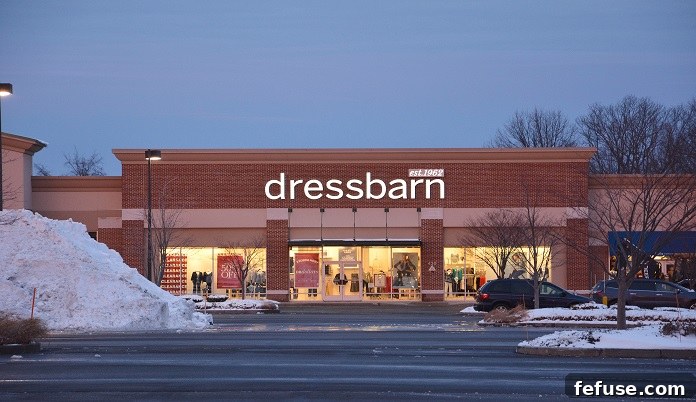
The End of an Era: Dressbarn Announces Full Store Closure Amidst Shifting Retail Landscape
A significant shift in the American retail landscape was announced recently, as Ascena Retail Group confirmed the impending closure of all 650 Dressbarn stores nationwide. This decision marks the end of a more than five-decade run for the women’s fashion retailer, a move reflective of the profound challenges faced by traditional brick-and-mortar businesses in the current economic climate.
Dressbarn’s Legacy and National Footprint
For over 50 years, Dressbarn has been a familiar name in women’s fashion, catering to a diverse clientele seeking accessible and stylish apparel, often complemented by a selection of jewelry. With hundreds of locations spread across the United States, Dressbarn carved out a niche for itself, providing everyday wear, work attire, and special occasion outfits that resonated with its customer base. Its widespread presence included numerous stores in major metropolitan areas; for instance, the Denver metro area alone hosted eight Dressbarn locations in communities such as Westminster, Northglenn, Littleton, Centennial, Parker, Castle Rock, and two in Aurora, illustrating its deep penetration into local markets.
The brand’s enduring appeal stemmed from its commitment to offering a broad range of sizes and styles, often at competitive price points, making fashion accessible to a wide demographic. This long-standing commitment fostered loyalty among its customers and provided stable employment for thousands of associates across the country.
The Inevitable Decision: Profitability Challenges in Modern Retail
Steven Taylor, Dressbarn chief financial officer, underscored the difficult yet necessary nature of the decision. In an official news release, Taylor stated, “This decision was difficult, but necessary, as the Dressbarn chain has not been operating at an acceptable level of profitability in today’s retail environment.” This candid admission highlights the immense pressures that have reshaped the retail industry over the past decade.
The concept of “acceptable profitability” has become increasingly elusive for many traditional retailers. Several factors contribute to this struggle. The relentless rise of e-commerce, spearheaded by giants like Amazon and countless specialized online boutiques, has fundamentally altered consumer shopping habits. Shoppers now prioritize convenience, competitive pricing, and a vast selection often found at their fingertips, diminishing the necessity of physical store visits. This shift has led to declining foot traffic in shopping malls and standalone stores, directly impacting sales volumes for brick-and-mortar establishments.
Furthermore, the competitive landscape has intensified. The proliferation of fast-fashion retailers, offering trendy clothes at ultra-low prices, and the expansion of discount stores have squeezed margins for mid-tier brands like Dressbarn. Consumers have more choices than ever before, and their loyalty is often dictated by price and immediate gratification, making it challenging for legacy brands to maintain market share and pricing power.
Operating a vast network of physical stores also entails significant overhead costs, including rent, utilities, staffing, and inventory management. In an era of shrinking sales and increased online competition, these fixed costs can quickly become unsustainable, eroding profitability and forcing difficult strategic choices for parent companies like Ascena Retail Group. The “retail apocalypse” narrative, characterized by numerous store closures and bankruptcies, is a testament to these prevailing industry headwinds, and Dressbarn’s closure regrettably adds another chapter to this ongoing story.
The Wind-Down Process: What Customers and Employees Can Expect
Ascena Retail Group has not yet provided a definitive timeline for the store closures, indicating a phased wind-down process. During this transition, both Dressbarn stores and its e-commerce website will remain fully operational. Crucially, the company has assured customers that there are no immediate changes to existing return, refund, or gift card policies. This commitment aims to maintain a degree of normalcy and trust with its customer base as the closure process unfolds.
Steven Taylor also emphasized the company’s dual focus during this period: “During the wind down process, we will continue to provide our customers with the same great experience both in-store and online, offering them even better deals and value. We will work to assist our associates through the transition and maintain existing relationships with our vendors, suppliers, and other key stakeholders through this process.”
For customers, the wind-down period presents an opportunity to snag “even better deals and value” as the company liquidates its inventory. This often translates into significant discounts and sales events, allowing loyal shoppers to make final purchases at attractive prices. For the dedicated associates who have been the backbone of Dressbarn’s operations, the transition will undoubtedly be challenging. Ascena Retail Group’s stated commitment to assist them through this period will be vital, likely involving severance packages, job placement assistance, or opportunities within other Ascena brands where feasible.
Ascena Retail Group’s Broader Strategic Reevaluation
The decision to close Dressbarn comes from its parent company, Ascena Retail Group, a diverse portfolio of well-known women’s apparel brands. Beyond Dressbarn, Ascena owns and operates other prominent names such as Ann Taylor, LOFT, Lane Bryant, Catherines, and Justice. This strategic move suggests a broader reevaluation of Ascena’s brand portfolio, aiming to streamline operations and focus resources on its more profitable and strategically aligned brands. Consolidating efforts allows the group to invest more heavily in areas demonstrating growth potential, adapt to evolving consumer preferences, and maintain a competitive edge in a volatile market.
The closure of Dressbarn, while significant, is a tactical decision to strengthen Ascena’s overall financial health and market position. By shedding a brand that is no longer meeting profitability targets, Ascena can free up capital and managerial focus to innovate and grow its remaining assets. This strategy is not uncommon in the retail sector, where large conglomerates frequently adjust their brand portfolios to optimize performance and respond to market dynamics.
The Future of Women’s Fashion Retail: Lessons from Dressbarn’s Closure
Dressbarn’s departure from the retail scene serves as a stark reminder of the ongoing transformation within the women’s fashion industry. It underscores the critical need for retailers to adapt swiftly to changing consumer behaviors, technological advancements, and economic pressures. The future of retail appears to lean heavily towards omnichannel strategies, where a seamless integration of online and in-store experiences is paramount. Brands that thrive will likely be those that offer unique value propositions, personalized shopping experiences, strong digital engagement, and an agile supply chain capable of responding quickly to trends.
Furthermore, the emphasis on sustainability, ethical production, and brand storytelling is increasingly influencing consumer choices, particularly among younger demographics. Retailers are now expected to be more than just purveyors of goods; they must embody values and create experiences that resonate deeply with their target audience.
While the closure of Dressbarn marks a sad moment for many, it also highlights the dynamic and ever-evolving nature of the retail world. Its legacy of providing accessible fashion for women for over five decades will remain, even as the spaces it once occupied prepare for new chapters in the continuously unfolding story of American commerce.