
Signet UK Faces Steep Sales Decline: H.Samuel and Ernest Jones Struggle During Christmas 2018
The crucial nine-week trading period leading up to January 5, 2019, proved exceptionally challenging for Signet Jewelers’ UK operations. Its prominent high-street retail brands, H.Samuel and Ernest Jones, both reported a substantial slump in sales, each experiencing a decline of just over 11%. This performance underscores the growing pressures within the UK’s jewellery retail sector and highlights the broader shifts in consumer spending habits during a pivotal time for the industry. This detailed analysis will delve into the specifics of these declines, explore the contributing factors, and examine the strategic responses outlined by Signet’s leadership to navigate these significant headwinds and chart a path towards future growth and profitability.
A Deep Dive into H.Samuel and Ernest Jones’ Performance
During the vital Christmas shopping season, a period typically expected to drive significant revenue for jewellery retailers, both H.Samuel and Ernest Jones encountered considerable setbacks. H.Samuel, a long-standing fixture on the UK high street synonymous with accessible jewellery and gifts, saw its sales plummet by 11.8% year-on-year, settling at $84.1 million (£64.9 million). This represents a notable contraction in a market segment already grappling with intense competition and rapidly evolving consumer preferences. The substantial drop reflects a significant challenge in attracting and converting holiday shoppers during their peak season.
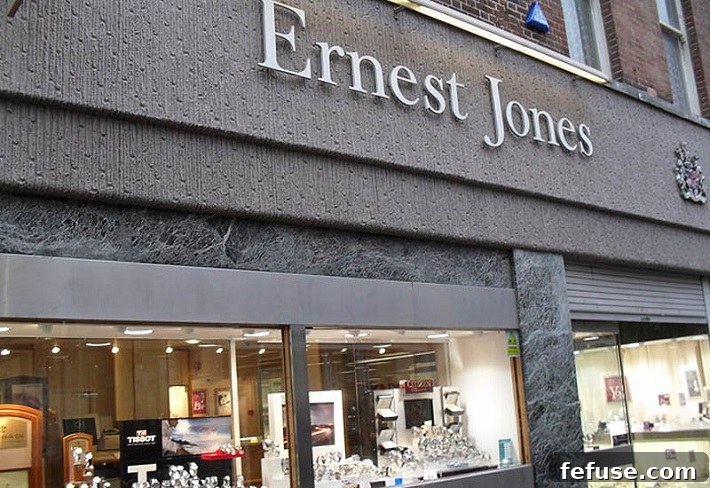
Ernest Jones, another esteemed brand under the Signet umbrella, known for its premium jewellery and watch offerings, faced a similarly difficult period. Its turnover for the nine weeks ending January 5, 2019, dropped by 11.6% to $72.5 million (£55.8 million). These figures are particularly concerning as they indicate a considerable loss of market share and consumer engagement during what should have been their most lucrative trading window. The consistency of the decline across both brands suggests systemic issues impacting Signet’s overall retail strategy and market positioning in the UK, rather than isolated incidents or brand-specific problems.
Beyond the headline figures, the picture remained stark when examining same-store sales, a key metric for assessing the health and performance of existing retail locations without the influence of new store openings or closures. H.Samuel’s same-store sales were down by 5.9%, indicating that even established stores struggled significantly to attract and retain customers compared to the previous year. This points to challenges in driving footfall and converting visitors into purchasers within its existing physical footprint. Ernest Jones experienced an even steeper decline in this category, with same-store sales falling by a significant 9%. This suggests that footfall, conversion rates, and average transaction values within its physical stores were under severe pressure, impacting the core profitability of its retail outlets.
The challenges weren’t confined to brick-and-mortar stores alone. Signet’s e-commerce operations in the UK also recorded a decline, with sales falling by 3.8%. While this drop is less severe than that seen in physical retail, it still indicates a failure to fully capitalize on the growing trend of online shopping, especially during a period when consumers increasingly turn to digital channels for convenience, wider selection, and competitive pricing. This highlights a critical area for improvement within Signet’s overall omnichannel strategy, which aims to seamlessly integrate online and offline shopping experiences. In an era where digital presence is paramount, even a modest e-commerce decline is a significant concern.
Key Product Categories Underperforming: Bridal, Fashion Jewellery, and Watches
Signet continues to pinpoint specific product categories as primary drivers behind its overall decline in UK sales. The company explicitly cited bridal jewellery, fashion jewellery, and fashion watches as underperforming segments. Understanding the evolving dynamics within these critical categories is crucial to grasping the full scope of Signet’s challenges and the broader shifts in consumer preferences within the jewellery and watch markets.
Bridal jewellery, traditionally a cornerstone of the jewellery market and a high-value purchase, appears to be facing significant shifts in consumer preferences and purchasing patterns. Trends might include a growing inclination towards more personalized, ethically sourced, or unique engagement rings from independent designers or online specialists, moving away from traditional high-street offerings. Additionally, macroeconomic factors such as a delay in marriage decisions among younger demographics, or increased competition from agile online platforms offering diverse selections and often more competitive pricing, could be impacting traditional jewellers in this high-stakes segment. The emotional significance of bridal purchases means that trust, brand reputation, and perceived value are paramount, but even established brands like H.Samuel and Ernest Jones are not immune to these market disruptions.
Fashion jewellery, often driven by fast-moving trends, impulse purchases, and social media influence, has become a highly competitive and fragmented space. The market is saturated with offerings from fast-fashion retailers, online boutiques, luxury brands, and even department stores, all vying for consumer attention with diverse price points, materials, and styles. Maintaining relevance and offering compelling, on-trend designs that resonate with a fashion-conscious audience is a constant and demanding battle. A decline in this category suggests that Signet’s current assortments may not have fully captured contemporary trends, offered sufficient differentiation, or presented a compelling value proposition to stand out against a multitude of competitors.
Fashion watches, another category heavily influenced by transient trends, brand collaborations, and technological advancements, have also contributed significantly to the sales slump. The rapid rise of smartwatches, fitness trackers, and other wearable technology has undoubtedly impacted the traditional fashion watch market, especially among younger, tech-savvy consumers. Many consumers may now be opting for devices that offer both timekeeping and advanced functionalities, or they might be seeking out niche, artisanal, or luxury brands that offer unique aesthetics and heritage. The rapid pace of change in this sector demands constant innovation, strategic partnerships, and a keen understanding of evolving consumer technology and style preferences. Failing to adapt quickly can lead to significant market share erosion.
Globally, Signet’s total sales also experienced a dip during this period, decreasing by 1.3% to $1,835.4 million (£1,418 million). While less severe than the decline observed in the UK market, this global figure indicates that the challenges faced in the UK are part of a broader, company-wide pattern, albeit with varying degrees of intensity across different international markets. This suggests that the internal and external pressures Signet is facing extend beyond a single region.
CEO Virginia Drosos’s Assessment and the “Path to Brilliance”
Virginia Drosos, Signet’s chief executive officer, offered a candid and transparent assessment of the results, acknowledging openly that the “holiday season performance fell short of our expectations.” Her statement provided critical insights into the complex interplay of internal strategic efforts and external market factors that contributed to the disappointing figures.
Drosos highlighted that early improvements in several strategic areas—including a refreshed merchandise assortment, enhanced digital marketing efforts, and advancements in their omnichannel approach—were unfortunately “more than offset by larger than expected declines in legacy product lines.” This suggests that while initial steps towards modernization and transformation were yielding some positive results, the inherent weakness and declining appeal of older, established product ranges proved to be a significant drag on overall performance. It underscores the profound challenge of transforming a large retail entity with deeply entrenched product lines and established consumer expectations. The rate of decline in traditional categories outpaced the growth in newer, more dynamic segments.
Furthermore, Drosos pointed to an intensifying competitive promotional environment as a major external factor. “The competitive promotional environment we saw early in the season intensified in December,” she noted, explaining that despite Signet’s “increased promotional investments,” the company experienced “reduced traffic during key December gifting weeks.” This indicates a double blow: not only did Signet have to spend more on promotions in a bid to attract customers, but these efforts largely failed to drive the desired level of footfall and online engagement. This scenario inevitably resulted in decreased profitability due to higher marketing costs combined with lower sales volumes. The December gifting weeks are paramount for jewellery retailers, and any significant dip in traffic during this critical period can have a disproportionate and detrimental impact on annual results.
Combined with “higher than expected credit costs,” these factors “negatively impacted our profitability.” The mention of elevated credit costs suggests potential issues with consumer financing programs, increased rates of bad debt, or more stringent lending criteria, adding another layer of complexity to Signet’s financial challenges during this period. Such costs can significantly erode profit margins, especially when sales are already under pressure.
Accelerated Action: Signet’s Strategic Path to Recovery and Future Growth
Recognizing the urgency of the situation and the depth of the challenges, CEO Drosos affirmed the need for swift and decisive action. “These holiday results reinforce the need to take even faster action to improve our financial and operational performance,” she stated, outlining a comprehensive and multi-faceted strategy designed to enhance profitability, modernize operations, and solidify Signet’s market position amidst a rapidly changing retail landscape.
A core component of this strategy involves aggressively optimising the company’s cost structure. This likely entails a detailed and granular review of all operational expenses, identifying areas for improved supply chain efficiencies, scrutinizing marketing spend for effectiveness, and streamlining administrative overheads. The ultimate goal is to remove unnecessary expenditures, enhance lean operational practices, and improve the overall financial health of the business. Alongside this, Signet plans to continue “right-sizing our store base.” This implies a strategic and ongoing assessment of its physical retail footprint, potentially leading to the closure of underperforming locations, relocation to more commercially viable sites, or optimization of store formats to better serve local markets. This is a common, albeit difficult, strategy for traditional retailers adapting to shifting consumer shopping habits and the inexorable growth of e-commerce.
Effective inventory management is another critical area targeted for immediate improvement. “More effectively managing our inventory” will involve optimizing stock levels across all product categories, reducing the burden of slow-moving or outdated items, and ensuring that product assortments align more closely with current demand and emerging trends. Poor inventory management can tie up significant capital, necessitate costly markdowns, and ultimately erode profit margins, making this a crucial focus for enhancing financial performance and operational agility.
Looking ahead into the second year of its ambitious “Path to Brilliance” transformation, Signet expects to accelerate various initiatives aimed at creating a more compelling, seamless, and engaging customer experience across all touchpoints. These initiatives include:
- Enhancing Product Assortment: A renewed and intensified focus on refreshing and diversifying product lines to better meet contemporary consumer tastes, respond to emerging trends, and cater to diverse market demands, moving decisively beyond reliance on “legacy product lines” that are clearly underperforming. This involves continuous market research and rapid product development cycles.
- Marketing Personalization and Analytics: Leveraging advanced data analytics and customer insights to deliver more targeted, relevant, and effective marketing campaigns. This approach aims to move away from broad, less effective promotional efforts by understanding individual customer preferences and tailoring communications and offers accordingly, thereby increasing engagement and conversion rates.
- Promotional Effectiveness: Refining promotional strategies to ensure they genuinely drive traffic and sales without excessively eroding profit margins. This involves a careful analysis of past promotions, understanding what resonates with customers, and implementing more strategically timed and impactful offers, learning from the reduced traffic experienced despite increased promotional investments.
- Service Offerings: Improving both in-store and online customer service to create a more premium, supportive, and memorable shopping experience. For high-value purchases like jewellery, exceptional service builds trust and loyalty, which are vital for customer retention and advocacy. This includes training staff and optimizing customer support channels.
- E-commerce Enhancements: Further investing in and improving the online shopping experience to deliver a “more seamless and engaging omnichannel customer experience.” This is paramount given the earlier decline in UK e-commerce sales and the broader, undeniable shift towards digital retail. Improvements will likely encompass website usability, mobile optimization, secure payment options, and efficient delivery services.
The Broader UK Retail Landscape and Signet’s Future Outlook
Signet’s struggles during late 2018 were not entirely isolated. The broader UK retail sector faced significant headwinds during this period, characterized by pervasive consumer uncertainty, fierce competition from both domestic and international players, and increasing operating costs for high-street businesses. High street footfall was in decline across many retail sectors, influenced by economic anxieties (including Brexit uncertainties), the accelerating rise of online shopping, and a general tightening of household budgets. Jewellery, often considered a discretionary luxury purchase, can be particularly vulnerable during such economically challenging times, as consumers prioritize essential spending.
The “Path to Brilliance” initiative represents Signet’s comprehensive and proactive response to these evolving market dynamics. It is a multi-year transformation program designed not only to modernize the business and improve the customer experience but also to fundamentally restore profitability and ensure long-term sustainability. The significant challenges faced during the 2018 holiday season highlight the urgency and the formidable task ahead for the company. Success will hinge on the effective and agile execution of its strategic initiatives, particularly in adapting its product offering, refining its marketing approach, and enhancing its omnichannel capabilities to meet the rapidly changing demands of the contemporary retail environment.
Ultimately, Signet’s ability to recover, innovate, and thrive will depend on its capacity to personalize interactions, integrate its physical and digital offerings seamlessly, and continuously refresh its brand appeal. The aim is to create a unified, compelling, and relevant shopping journey for customers, ensuring that H.Samuel and Ernest Jones remain prominent and appealing choices in an intensely competitive and dynamic jewellery market. The coming years will be crucial in determining the effectiveness of these transformative efforts and Signet’s position in the evolving global retail landscape.
NewsSource: Professionaljeweller