
Project D: Pioneering the Future with the World’s First All-Lab-Grown Diamond Ring
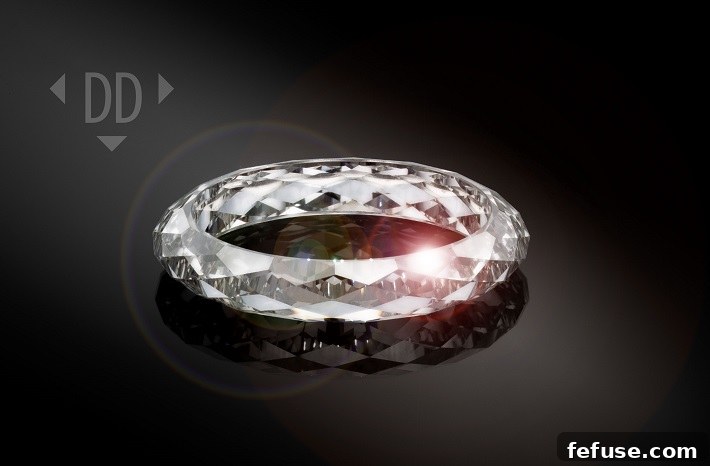
In a monumental leap forward for the diamond industry, HRD Antwerp, a global authority in diamond grading, has proudly certified what is being hailed as the world’s first ring made entirely from a lab-grown diamond. This extraordinary creation, aptly named ‘Project D’, is the brainchild of Dutch Diamond Technologies (DD), marking a significant milestone in advanced material science and luxury craftsmanship.
A Decade of Dazzling Innovation: The Genesis of ‘Project D’
‘Project D’ represents not just a piece of jewelry, but the culmination of a decade of relentless innovation and expertise by Dutch Diamond Technologies. Conceived to commemorate the company’s 10th anniversary, the manufacturing process for this unique ring spanned an intensive year, reflecting the intricate challenges and meticulous precision involved. This project underscores DD’s unwavering commitment to pushing the boundaries of what is possible with lab-grown diamonds, solidifying their position at the forefront of this rapidly evolving sector.
The ambition behind ‘Project D’ was to create something truly exceptional – a wearable marvel that would not only celebrate DD’s anniversary but also showcase their advanced, high-tech capabilities. As Ton Janssen, CEO of Dutch Diamond Technologies, eloquently stated, “For our 10th anniversary, we wanted to create something stunning that would highlight our innovative and high-tech techniques. I think we’ve more than succeeded with the one-off ‘Project D’ ring.” Indeed, the ring is a testament to vision meeting unparalleled technical execution, resulting in an artifact that transcends traditional jewelry design and manufacturing.
Crafting Brilliance: From Rough Crystal to Polished Perfection
The journey of ‘Project D’ began with a colossal 155-carat rough CVD (Chemical Vapor Deposition) lab-grown diamond. This extraordinary rough crystal provided the raw material for the ring, a testament to the advancements in lab-grown diamond technology, which only made it technically feasible to grow monocrystalline plates of such considerable size around 2017. Transforming this formidable rough into a wearable ring was a feat of engineering and artistry, combining state-of-the-art laser cutting with time-honored traditional polishing techniques.
The result is a ring of breathtaking complexity, boasting an astounding 133 facets. This stands in stark contrast to the 57 facets typically found in a standard brilliant-cut diamond, highlighting the innovative design and the exceptional skill employed in its creation. The increased number of facets is designed to maximize light reflection and refraction, imbuing the ring with an unparalleled sparkle and brilliance. The final piece, weighing 3.865 carats, is a true marvel of precision and aesthetic appeal.
While ‘Project D’ marks a first in the realm of *entirely lab-grown* diamond rings, it builds upon a history of innovation. HRD Antwerp acknowledged previous attempts and successes in creating rings from single diamonds, such as Shawish, a Swiss jeweler’s natural diamond ring unveiled in 2011, and the conceptual ‘all diamond’ ring (RED) by Diamond Foundry. However, ‘Project D’ distinguishes itself as the first fully realized and graded ring to be made exclusively from a single lab-grown diamond, bringing a new dimension to sustainable luxury and technological prowess in the jewelry world.
The Science Behind the Sparkle: Advancements in CVD Diamond Growth
The creation of such a massive and high-quality lab-grown diamond underscores the significant strides made in CVD synthetic diamond production over the last decade. Growing a diamond plate of this exceptional size and quality in a laboratory can take up to five weeks, a testament to the meticulous control and specialized conditions required. The CVD process involves a heated mixture of hydrocarbon gas and hydrogen within a vacuum chamber, maintained at very low pressure and elevated temperatures, typically ranging from 900 to 1200 degrees Celsius. This controlled environment facilitates the deposition of carbon atoms, layer by layer, onto a diamond seed, gradually forming a larger crystal.
The increasing quality and carat weight of CVD diamonds have revolutionized the possibilities for their application, moving beyond industrial uses into high-end jewelry. The ability to produce large, monocrystalline diamonds with excellent clarity and color properties opens new avenues for designers and consumers alike, offering an alternative that is both ethically sourced and environmentally more sustainable compared to traditional mining practices. ‘Project D’ is a vibrant example of how these technological advancements are now directly translating into tangible, luxurious products.
HRD Antwerp’s Stamp of Excellence: Rigorous Grading and Certification
The grading of ‘Project D’ by HRD Antwerp lends immense credibility and underscores the exceptional quality of this pioneering piece. HRD Antwerp, renowned globally for its impartial and stringent grading system, employed its sophisticated equipment and dedicated team to conduct a thorough analysis of the ring. Their well-earned reputation for delivering precise grading results provided an invaluable validation for Dutch Diamond Technologies’ achievement.
The official grading results for ‘Project D’ are impressive: a clarity of VVS2, a color grade of E, Nil fluorescence, a ‘Very Good’ polish, and ‘Excellent’ symmetry. These grades signify a diamond of outstanding quality. VVS2 (Very Very Slightly Included 2) indicates that inclusions are extremely difficult to see even under 10x magnification, denoting near-flawless clarity. An E color grade means the diamond is virtually colorless, just one step below the highest D grade, ensuring exceptional brilliance without any noticeable yellow tint. Nil fluorescence indicates that the diamond does not emit any visible light when exposed to UV rays, which is generally preferred in high-quality diamonds. The ‘Very Good’ polish and ‘Excellent’ symmetry ratings further attest to the superb craftsmanship, ensuring optimal light performance and a perfectly balanced aesthetic.
HRD Antwerp also highlighted a crucial distinction for consumers: lab-grown diamond grading reports are easily identifiable by their distinctive green cover, differentiating them clearly from reports issued for natural diamonds. This transparency is vital for consumer confidence and plays a key role in the ethical and responsible marketing of both lab-grown and natural diamonds in the global market.
A True European Collaboration: Bridging Expertise Across Borders
One of the remarkable aspects of ‘Project D’ is its truly international footprint, a testament to collaborative European excellence. As Ton Janssen proudly pointed out, it is a “true ‘European’ ring: grown in Germany, cut in the Netherlands and graded by HRD Antwerp in Belgium.” This cross-border collaboration brought together the finest minds and technologies from different countries, showcasing how diverse expertise can converge to achieve extraordinary results. This spirit of cooperation not only facilitated the creation of ‘Project D’ but also highlights Europe’s growing role in leading advanced diamond technology and innovation.
Setting New Standards for Craftsmanship and the Jewelry Market
Michel Janssens, CEO of HRD Antwerp, expressed admiration for Dutch Diamond Technologies, noting, “DD might be relatively new to cut diamonds for the jewelry market, but they have created an impressive ring for their 10th anniversary.” He further praised the outstanding cutting and polishing work, which he acknowledged “has resulted in a brilliant light reflection which emphasizes the beauty of the ring.” This recognition from a leading grading institution underscores the exceptional skill and dedication that went into creating ‘Project D’.
The flawless execution of ‘Project D’ sets a new benchmark for craftsmanship in the lab-grown diamond sector. It proves that man-made diamonds can not only rival but, in some aspects, even surpass the complexity and beauty of natural diamonds, especially when innovation is paired with masterful artistry. For the jewelry market, this signifies a burgeoning era where sustainable and ethically produced options offer unparalleled design possibilities, attracting a new generation of consumers who value both luxury and responsible sourcing.
The Future of Diamonds: Sustainable Luxury and Limitless Potential
‘Project D’ is more than just a remarkable piece of jewelry; it is a powerful symbol of the future of the diamond industry. It demonstrates the immense potential of lab-grown diamonds to offer sustainable luxury without compromising on quality, beauty, or rarity. As consumer preferences shift towards ethical sourcing and environmental responsibility, lab-grown diamonds are increasingly positioned as a compelling choice.
This pioneering achievement by Dutch Diamond Technologies, validated by HRD Antwerp, paves the way for further advancements in the creation and application of lab-grown diamonds. It inspires confidence in the market, showing that continuous innovation can lead to groundbreaking products that delight consumers and contribute positively to global manufacturing practices. ‘Project D’ solidifies the idea that the beauty of a diamond can originate not just from the depths of the earth, but also from the ingenuity and precision of human innovation, heralding a new era of limitless possibilities in the world of fine jewelry.