
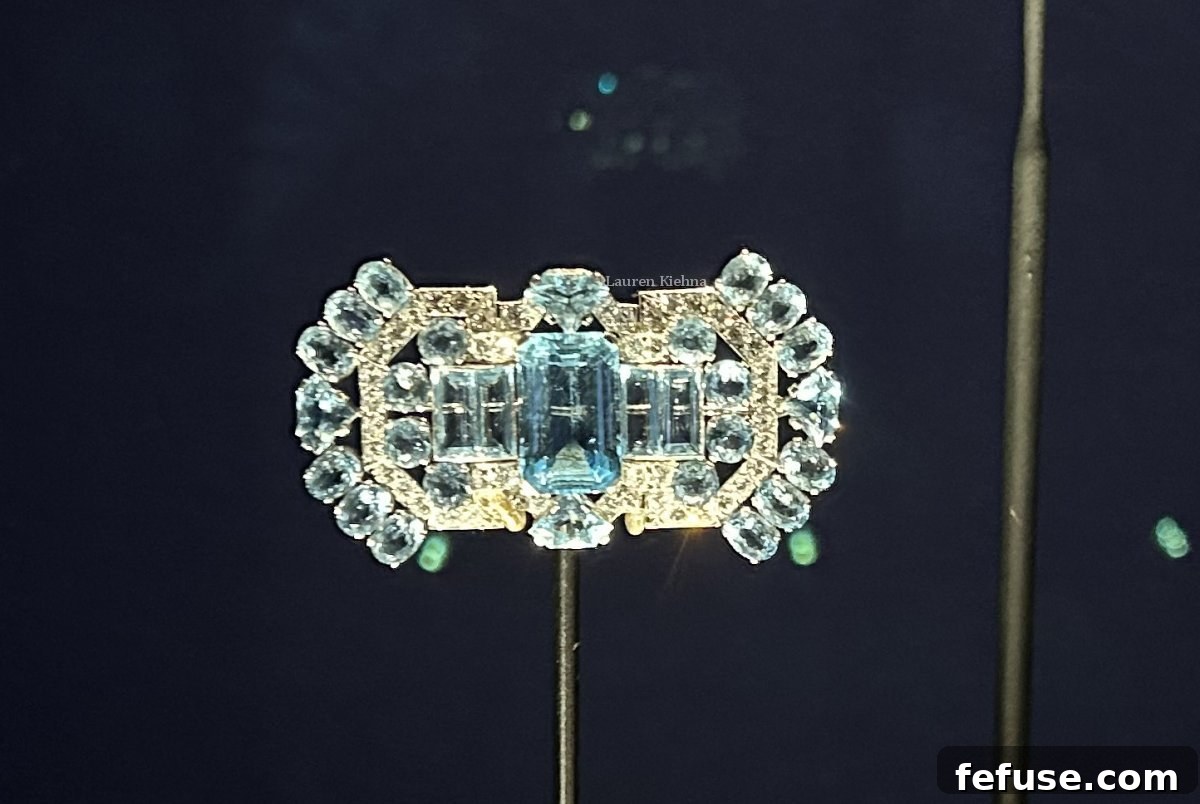
The Queen Mother’s Aquamarine Art Deco Brooch: A Sparkling Witness to History, Now at the V&A Cartier Exhibition
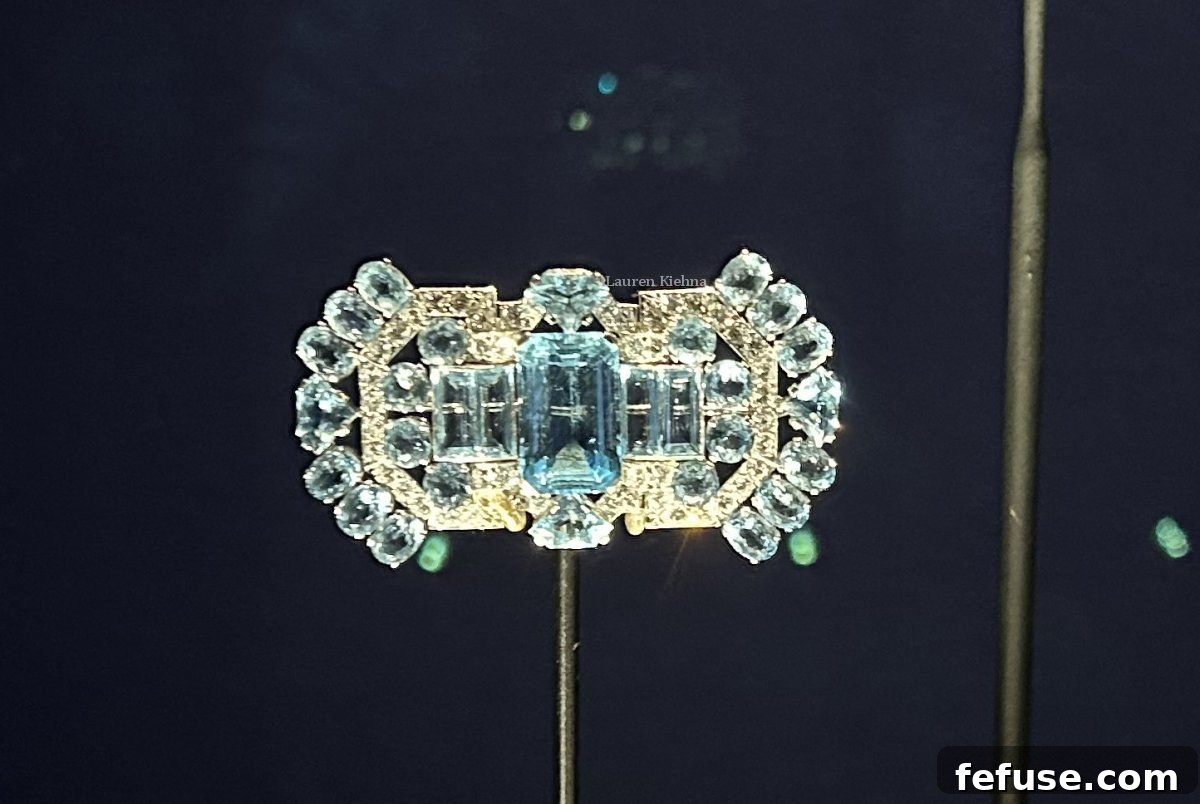
As the United Kingdom and nations across Europe commemorate the 80th anniversary of VE Day, a remarkable piece of history is quietly captivating visitors in London. Nestled within the prestigious Cartier exhibition at the Victoria & Albert Museum (V&A), the Queen Mother’s Aquamarine Art Deco Brooch stands as a glittering testament to moments of both royal significance and national jubilation. This exquisite jewel, with its deep historical roots and breathtaking design, offers a tangible connection to the end of World War II in Europe, making it a must-see for anyone exploring British royal heritage or the artistry of Cartier.
VE Day: A Nation’s Triumph and Royal Resilience
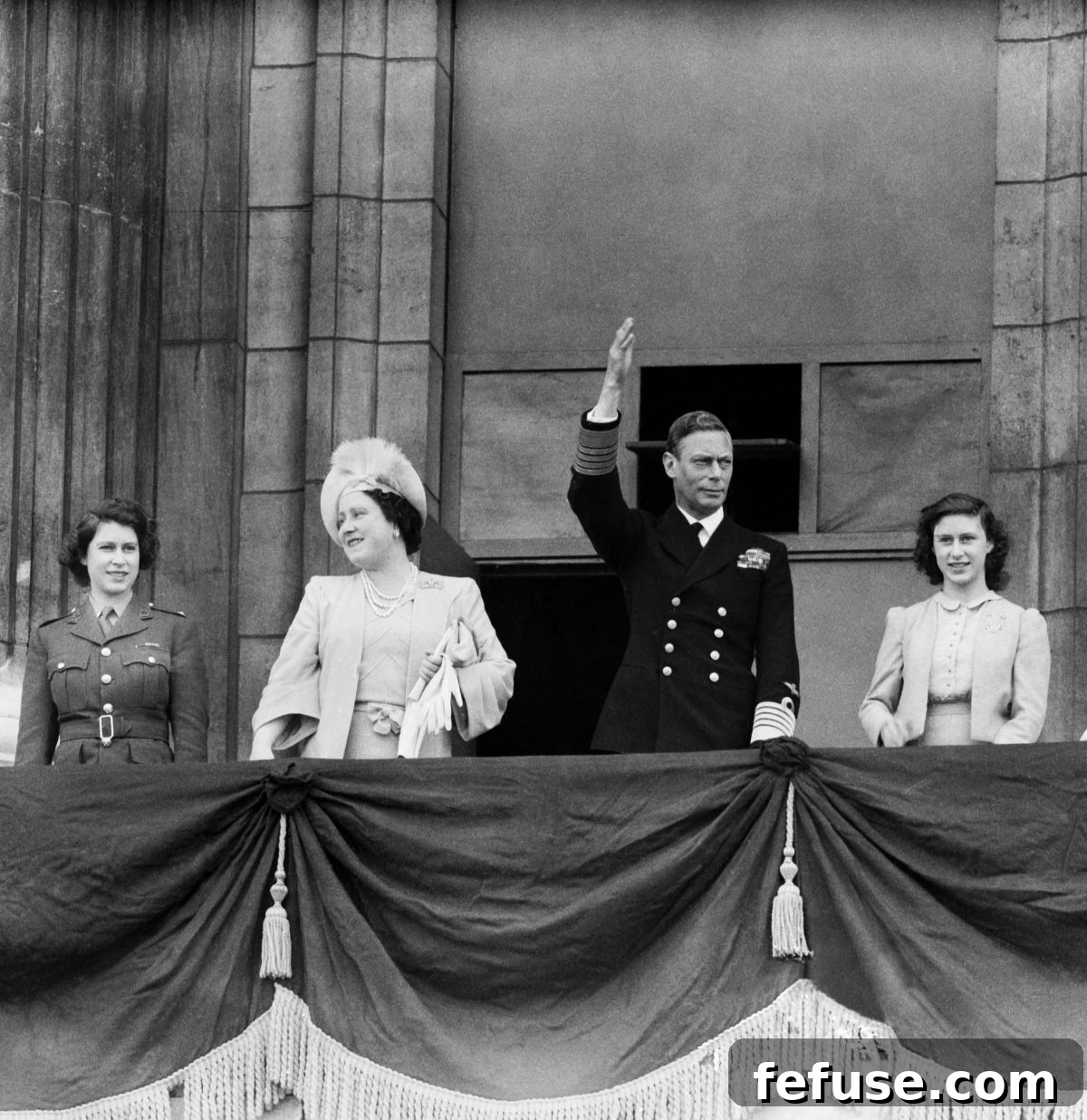
May 8, 1945, marked a monumental turning point for the United Kingdom and the world. After nearly six agonizing years of conflict, Germany’s unconditional surrender brought an official end to World War II in Europe. Though fighting continued in the Pacific, the continent could finally breathe a collective sigh of relief. Prime Minister Winston Churchill declared that hostilities would cease at midnight, paving the way for a night of unparalleled public celebration. At 9 PM, King George VI addressed the nation in a poignant radio broadcast, commencing with the words, “Today we give thanks to God for a great deliverance. Speaking from our Empire’s oldest capital city, war-battered but never for one moment daunted or dismayed—speaking from London, I ask you to join with me in that act of thanksgiving.”
The streets of London, scarred but defiant from the Blitz, erupted in an outpouring of joy. The following morning, the Sun newspaper captured the national mood with its headline: “LONDON GOES WILD IN MADDEST NIGHT.” Crowds, unprecedented in size since the 1937 coronation, swelled through the Mall and Trafalgar Square. Following the King’s moving address, the throng outside Buckingham Palace spontaneously burst into the National Anthem, their voices echoing with relief and pride. Chants of “We want the King!” filled the air, prompting the royal family to make their first of many balcony appearances. King George VI and Queen Elizabeth, accompanied by their daughters, Princess Elizabeth (the future Queen Elizabeth II) and Princess Margaret, emerged to greet their jubilant subjects.
Throughout that historic night, the King and Queen stepped onto the balcony no fewer than eight times, responding to the persistent calls from the ecstatic crowds. Princess Elizabeth and Princess Margaret were famously allowed to join the celebrations incognito, slipping into the throng for a few hours of uninhibited jubilation – a rare and cherished memory for them. The royal couple’s final appearance of the night came at 3 AM, just before the palace floodlights were finally extinguished, bringing an end to an unforgettable day of national unity and triumph.
The Genesis of a Royal Jewel: Cartier’s Aquamarine Art Deco Brooch
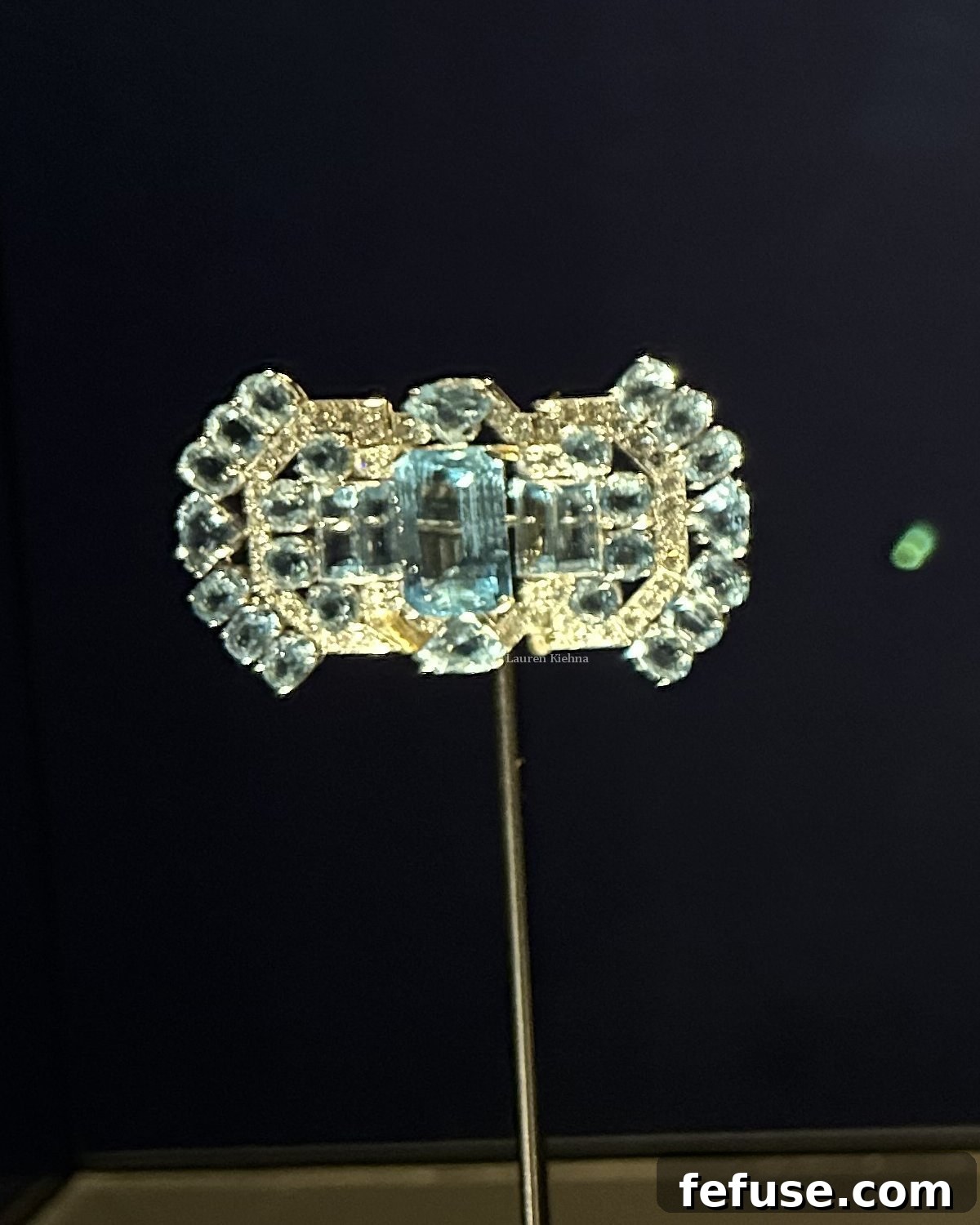
It was on one of these radiant balcony appearances on VE Day that a particular jewel sparkled brightly on Queen Elizabeth’s jacket. This wasn’t merely any brooch; it was a masterpiece of Art Deco design, crafted from platinum and adorned with luminous aquamarines and brilliant diamonds. Acquired from the renowned Cartier in London, this brooch was a personal gift from her husband, Prince Albert, then Duke of York, affectionately known as Bertie. He purchased it for Elizabeth in 1935, a pivotal year that preceded the constitutional crisis and abdication of King Edward VIII, which would dramatically propel them onto the throne in December 1936.
The brooch’s design perfectly exemplifies Cartier’s innovative aesthetic of the 1930s. Its geometric lines, sharp angles, and varied gemstone cuts are hallmark features of the Art Deco movement, a style celebrated for its elegance and modernity. The choice of aquamarines, known for their serene blue-green hues reminiscent of the ocean, adds a captivating depth to the piece, beautifully complemented by the sparkling brilliance of the diamonds. This brooch wasn’t just a piece of jewelry; it was a symbol of a discerning era and the exceptional craftsmanship that defined Cartier’s legacy as a jeweller to royalty and discerning collectors worldwide. Its acquisition marked the beginning of its journey as a treasured royal heirloom.
A Constant Companion: Queen Elizabeth’s Affection for the Brooch
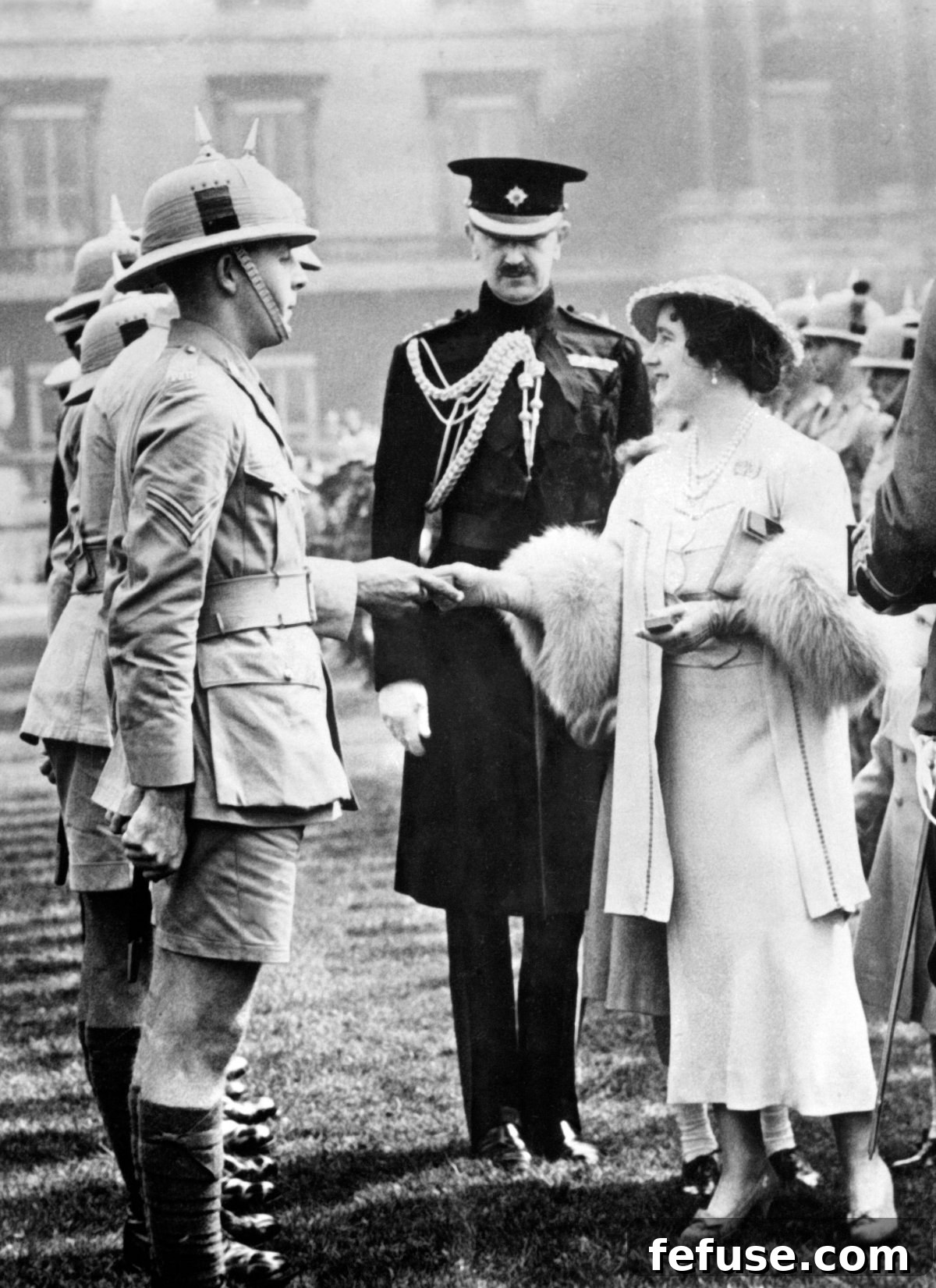
From the moment it entered her collection, Queen Elizabeth swiftly integrated the aquamarine brooch into her distinctive jewelry wardrobe. It quickly became a favourite, particularly during the initial years of her husband’s unexpected reign. She understood the power of symbolism in royal attire, and this brooch frequently appeared at significant public engagements, signalling both her personal style and her role as Queen Consort.
Just two days after King George VI’s coronation, on May 14, 1937, Queen Elizabeth was photographed wearing the brooch prominently on her jacket. On this occasion, she was outside Buckingham Palace, personally distributing coronation medals to the officers and soldiers who had proudly participated in the celebratory ceremonies. It was a gesture of appreciation from the Crown, and the brooch’s serene sparkle would have offered a touch of elegance to the formal military setting.
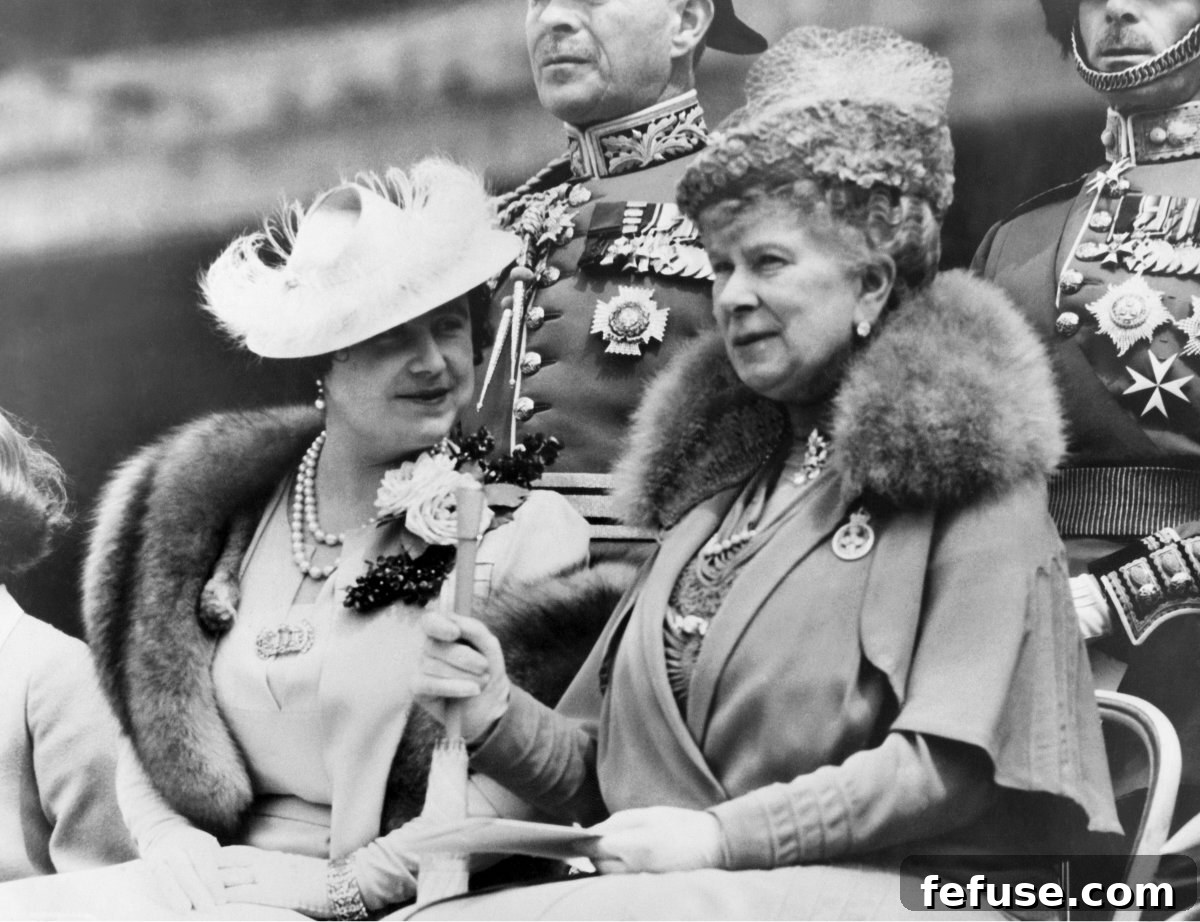
A year later, in May 1938, the brooch again held pride of place, pinned at the centre of Elizabeth’s bodice. On this occasion, she and Queen Mary watched as King George VI presented new colours to the Grenadier Guards at Buckingham Palace. These early appearances underscore the brooch’s immediate importance within her collection and its role in defining her public image. As Britain braced for the looming shadow of war, the brooch continued to be a reassuring constant, seen at various functions and embodying a subtle strength during increasingly challenging times.
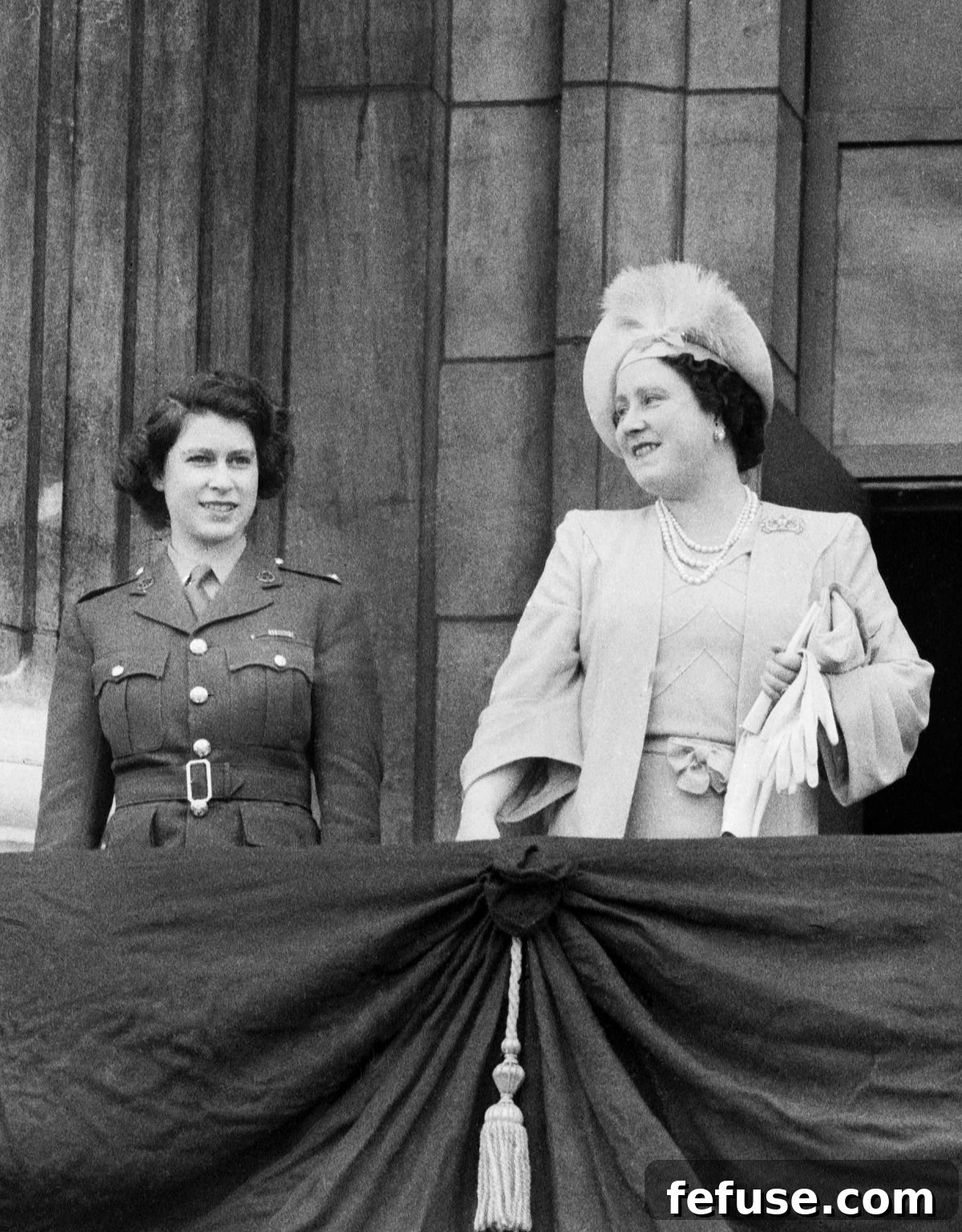
Indeed, Queen Elizabeth continued to wear the brooch consistently throughout the tumultuous war years. It was a familiar sight, often adorning her elegant ensembles as she visited bomb-damaged areas, boosted morale, and fulfilled her royal duties under immense pressure. Therefore, when the momentous news of victory in Europe finally arrived on May 8, 1945, it was natural for her to choose this particular piece. Pinning the Cartier aquamarine brooch to her jacket was more than a fashion choice; it was a deliberate act, linking a cherished personal gift with a moment of profound national relief and celebration. As she stepped out onto the balcony, bathed in the electric lights illuminating the palace, the brooch would have shimmered beautifully, a quiet yet powerful emblem amidst the thunderous applause and jubilant cheers of a grateful nation.
A Legacy Transformed: From Queen Mother to Queen Elizabeth II
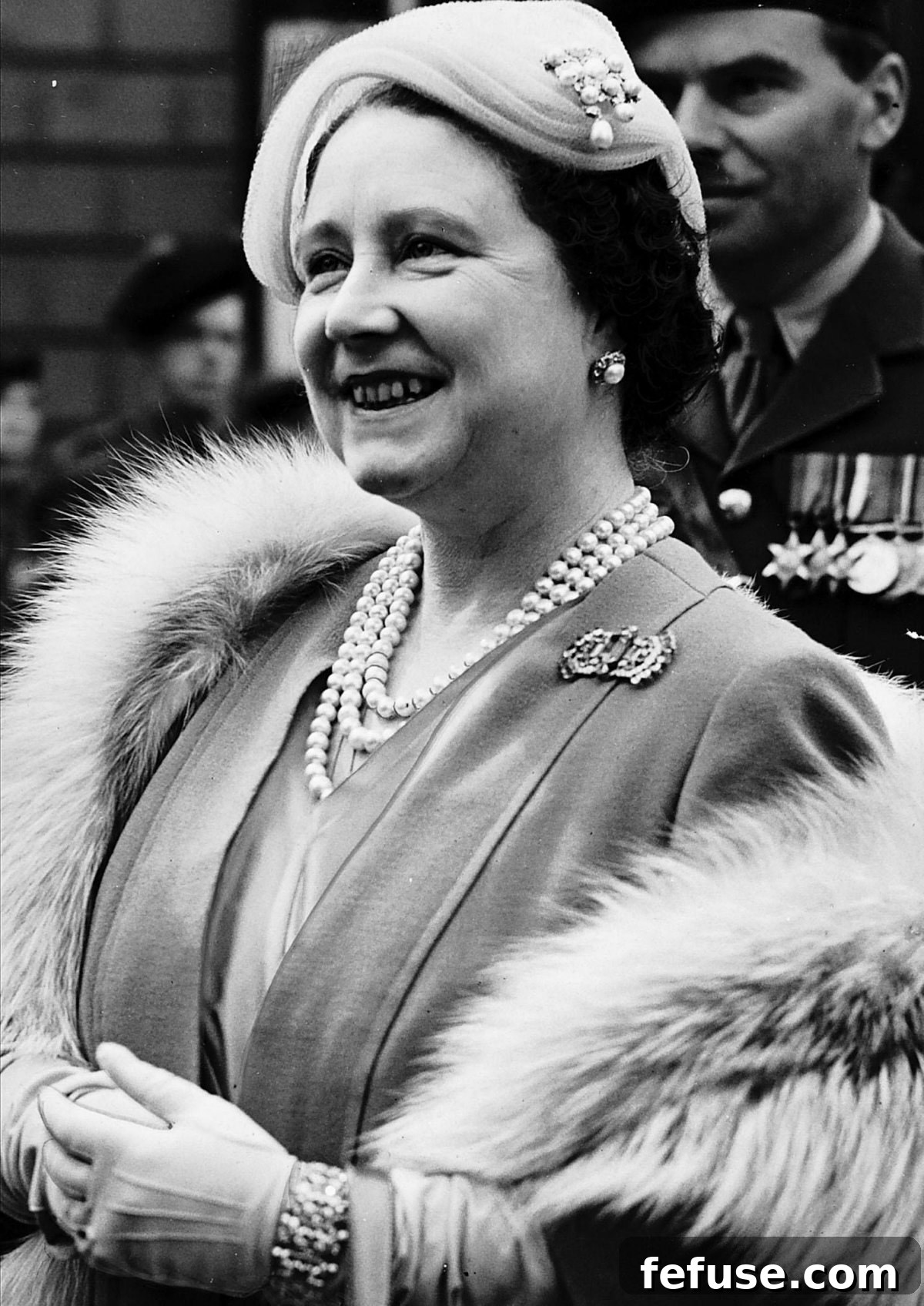
Following the untimely death of King George VI in 1952, Elizabeth assumed the title of Queen Mother, a role she embraced with grace and unwavering dedication for another half-century. While her jewelry collection was vast and diverse, the aquamarine brooch continued to make occasional appearances. One such instance captures her wearing it during a visit to Forfar in 1956, highlighting its continued place in her active wardrobe. Notably, in this same image, another significant royal jewel, Queen Victoria’s Pearl and Diamond Brooch, is seen adorning her hat, showcasing her penchant for both historical and personally significant pieces.
However, as the Queen Mother aged, her aesthetic preferences gradually shifted. She developed a particular fondness for the more ornate, elaborate brooches from the nineteenth century, especially those featuring delicate chains and pendant sections. Consequently, elegant Art Deco pieces like the Cartier aquamarine brooch, while still cherished, found themselves increasingly relegated to the quieter corners of her extensive jewelry collection, making way for styles that better suited her later tastes and the evolving fashion of the time.
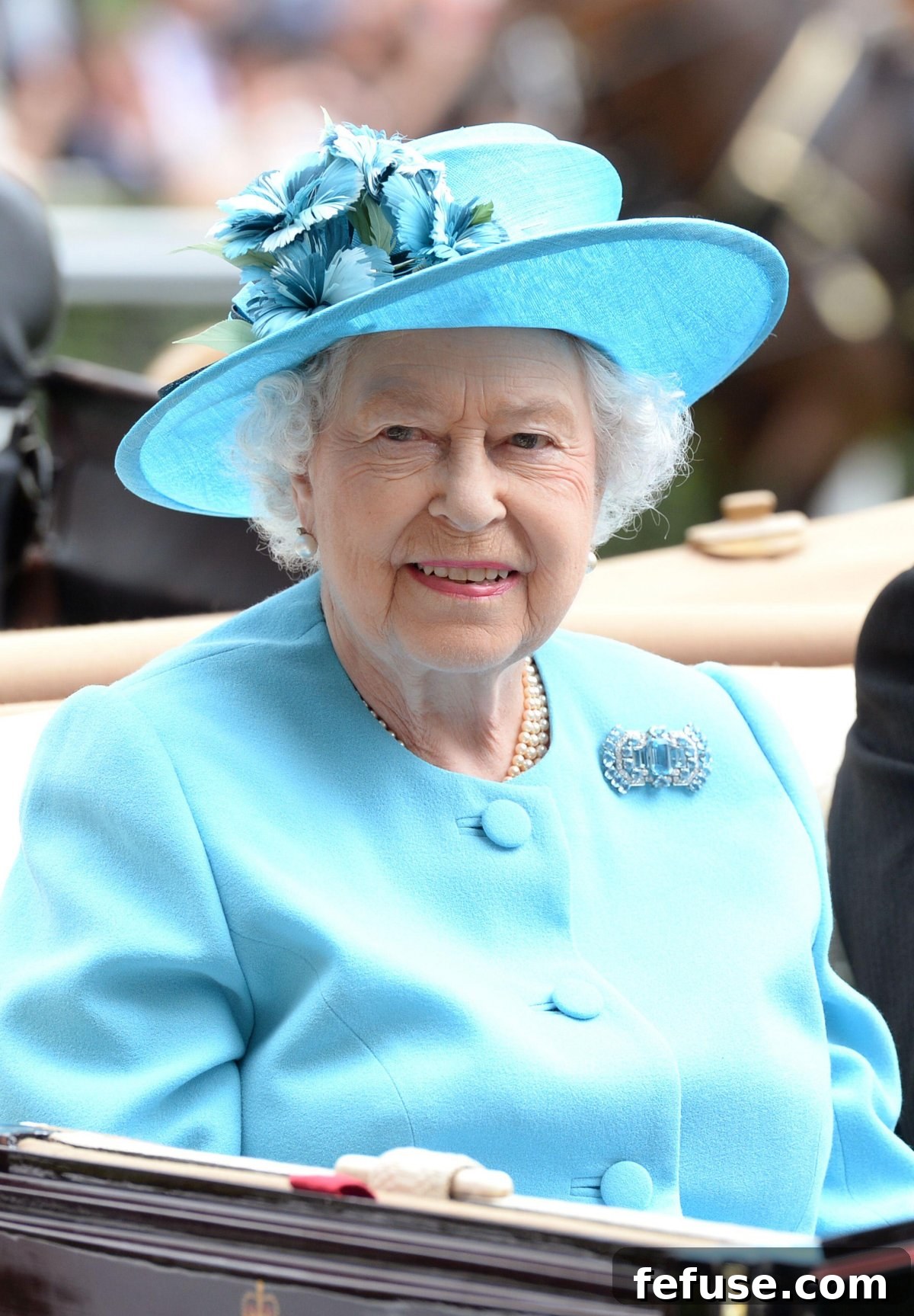
Upon the Queen Mother’s passing in 2002, her remarkable collection of jewels was largely bequeathed to her elder daughter, Queen Elizabeth II. As was often her custom, Queen Elizabeth II took her time in publicly debuting many of these inherited treasures. It was twelve years after her mother’s death, in 2014, that the Cartier aquamarine brooch made its grand return to the public eye. Queen Elizabeth II chose a high-profile occasion for its reintroduction, wearing the magnificent jewel on Ladies’ Day at Royal Ascot, one of the most prestigious events in the British social calendar. This appearance instantly brought the brooch back into the spotlight, allowing a new generation to appreciate its beauty and historical resonance.
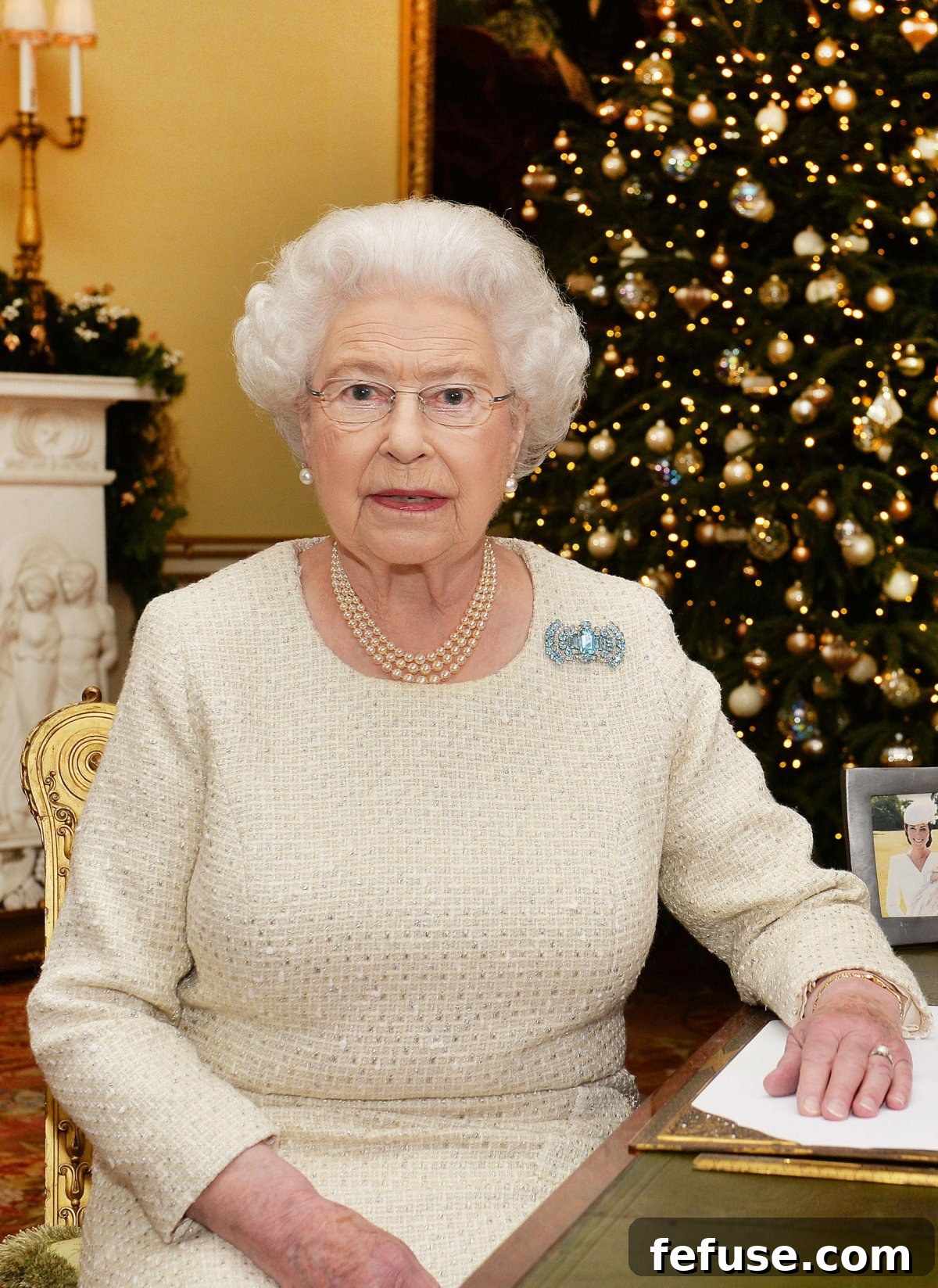
For the subsequent eight years, the Cartier aquamarine and diamond brooch remained a favoured accessory for Queen Elizabeth II, gracing a variety of significant occasions. Among its most memorable appearances was at Christmas in 2015, when she chose to wear the brooch for her annual Christmas Broadcast. This address, delivered to the nation and the Commonwealth, is a deeply personal and symbolic event, and the selection of the brooch underscored its importance as a piece rich in both family and national history. Its serene sparkle on screen added a touch of understated elegance to her festive message.
A Poignant Farewell: The Brooch’s Last Royal Appearance
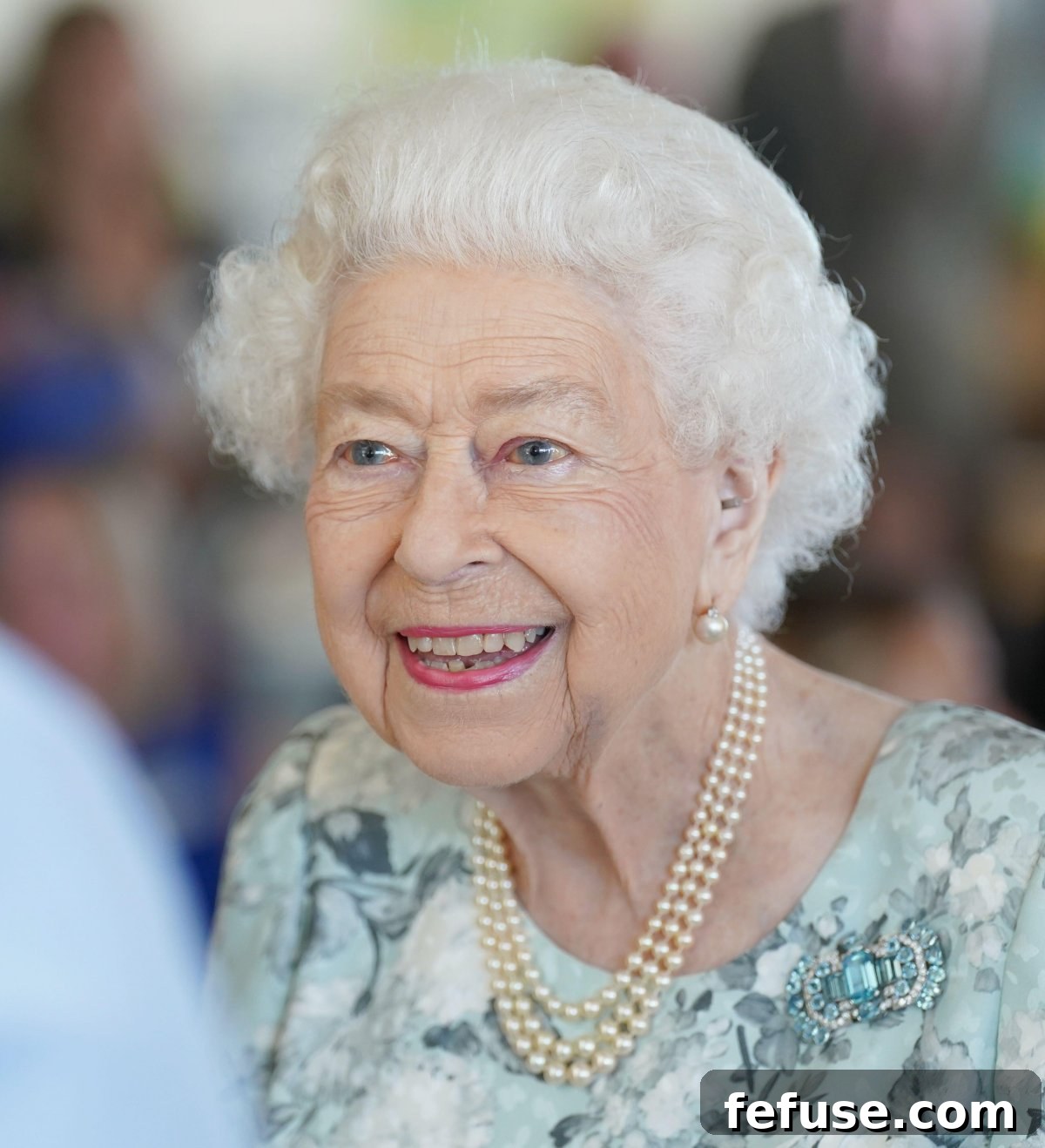
In a profoundly poignant turn of events, the Queen Mother’s Aquamarine Art Deco Brooch holds the distinction of being the very last jewel Queen Elizabeth II wore in public. On July 15, 2022, just months before her passing, the Queen made a surprise visit to officially open the new building at Thames Hospice in Maidenhead, Berkshire. On that day, pinned elegantly to her vibrant blue floral dress, was this historically significant aquamarine brooch. It served as a final, beautiful statement from a monarch renowned for her impeccable style and her deep connection to the symbolic power of her jewels, closing a chapter on its life as a publicly worn piece by the late Queen.
Shining Anew: The Brooch at the V&A Cartier Exhibition
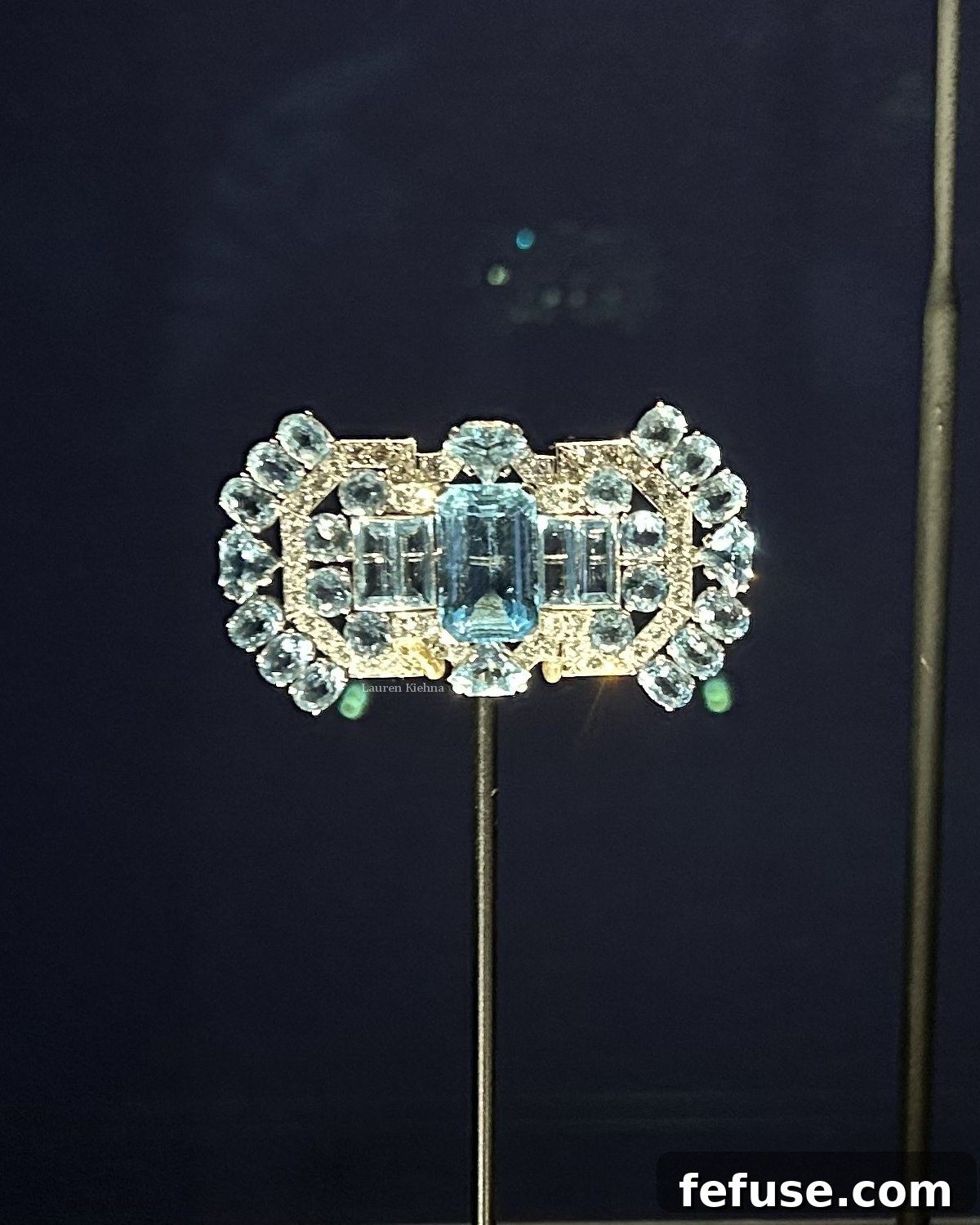
Today, the cherished Cartier Art Deco brooch belongs to Her Majesty’s eldest son, King Charles III. In a generous gesture that allows this historical treasure to be admired by a wider audience, King Charles III has graciously loaned the jewel to the new Cartier exhibition at the prestigious Victoria & Albert Museum. The exhibition, running from now through November, presents a unique opportunity for art and history enthusiasts alike.
Visitors attending the exhibition this week, particularly during the ongoing VE Day anniversary celebrations in London, will have the extraordinary chance to witness this piece of living history firsthand. The Queen Mother’s Aquamarine Art Deco Brooch, sparkling with the memories of VE Day, coronation ceremonies, and its final poignant appearance on Queen Elizabeth II, offers a tangible link to some of the most defining moments of the British monarchy and twentieth-century history. It stands not merely as a beautiful jewel but as a silent, radiant witness to triumphs, transitions, and the enduring legacy of a remarkable royal lineage.