
Tiffany & Co’s Plain White Bags: A Paradigm Shift in Luxury Shopping Safety
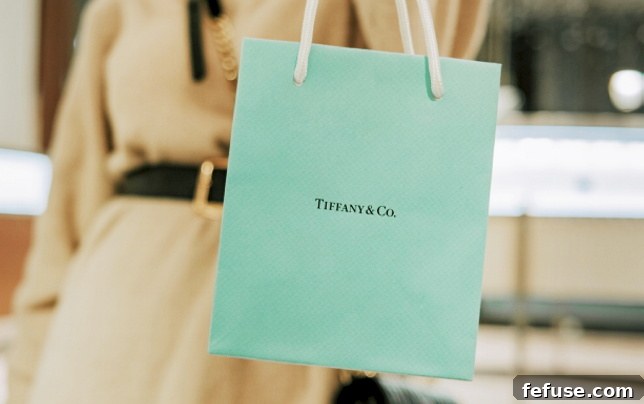
In an unexpected yet telling move, the legendary jeweler Tiffany & Co has begun offering its patrons plain white bags for their purchases. This departure from the brand’s iconic robin’s-egg blue packaging is not a stylistic choice, but a stark adaptation to a pressing contemporary challenge: the significant increase in street crime targeting high-end shoppers in New York City.
The Unveiling of a New Reality: Luxury’s Response to Urban Crime
The decision by Tiffany & Co to introduce nondescript packaging speaks volumes about the evolving landscape of urban safety, particularly in world-renowned luxury districts. Historically, the Tiffany Blue box and bag have been potent symbols of aspiration, luxury, and celebration. They are instantly recognizable, a beacon of status carried proudly by those who have just acquired something truly special. However, in an unfortunate turn of events, this very recognizability has transformed into a liability.
The jeweler’s newly re-opened flagship store on Fifth Avenue, a bastion of opulence and a global retail landmark, now faces a dilemma that prioritizes customer safety over traditional brand display. The move to provide plain white bags allows customers to discreetly exit the store, concealing the nature of their high-value purchases and, critically, reducing their visibility as potential targets for criminals. This pragmatic approach underscores a broader, concerning trend affecting major metropolitan areas.
Fifth Avenue Under Siege: The Surge in Grand Larceny
Escalating Crime Statistics in Midtown North
The catalyst for this unprecedented change is the alarming surge in street crime, particularly grand larceny, in New York City. The Midtown North precinct, which encompasses the prestigious Fifth Avenue shopping corridor, has witnessed a near doubling of grand larceny complaints over the past two years. Grand larceny, defined in New York as the theft of personal property valued over $1,000, disproportionately affects luxury shoppers who carry or are seen carrying expensive items, making them prime targets for opportunistic thieves.
These statistics paint a grim picture, indicating a sustained and concerning increase in incidents where individuals are robbed of their high-value possessions. For luxury retailers operating in this environment, the safety of their clientele becomes paramount. The psychological impact on shoppers, who once enjoyed the leisurely experience of browsing and purchasing without fear, is significant. The joy of a luxury acquisition is now, regrettably, tempered by a heightened sense of vulnerability.
Beyond Tiffany: An Industry-Wide Adaptation
Tiffany & Co is not alone in this defensive posture. According to reports from the New York Post, other illustrious high-end retailers in the area, including French luxury giants Hermes and Louis Vuitton, are adopting similar strategies. This widespread response among leading brands highlights the severity and pervasive nature of the problem. It signifies a collective acknowledgment by the luxury sector that traditional practices must yield to the imperative of customer protection.
The sight of a plain white bag emerging from a boutique known for its distinctive packaging might seem counterintuitive to brand identity, yet it represents a crucial evolution. These brands, synonymous with exclusivity and public display of wealth, are now subtly encouraging their customers to embrace discretion for their own security. This shift demonstrates a profound understanding that in today’s urban landscape, customer safety is inextricably linked to maintaining brand loyalty and the overall luxury experience.
The Iconic Tiffany Blue: From Symbol of Pride to Potential Peril
The Heritage of an Icon
For generations, the “Tiffany Blue” — a specific shade of robin’s-egg blue trademarked by the company — has been more than just a color; it’s an institution. Introduced in 1845 by Charles Lewis Tiffany with the company’s Blue Book, the color became synonymous with the brand’s exquisite jewelry and unparalleled craftsmanship. It evokes images of romance, elegance, and the joy of receiving a precious gift. The sight of a Tiffany Blue box or bag carried through the streets of New York was, for decades, a proud declaration of taste and success.
This distinct branding, meticulously cultivated over nearly two centuries, served as a powerful marketing tool, instantly communicating the prestige and value of the contents within. It was a status symbol that transcended mere packaging, becoming a cultural phenomenon. However, the very attributes that made it so iconic – its immediate recognition and association with high value – have, in the current climate, transformed it into a conspicuous signal for those with malicious intent.
Navigating the Paradox: Brand Identity vs. Security Imperative
The decision to temporarily sideline such a foundational element of its brand identity underscores the gravity of the security challenges faced by Tiffany & Co. It presents a paradox where the very symbol that has defined the brand’s allure and success now poses a risk to its customers. The plain white bag, devoid of any branding, thus becomes a symbol of practical caution, a necessary shield in an environment where overt displays of luxury can attract unwanted attention.
This strategic pivot is a testament to the brand’s commitment to its customers’ well-being, even if it means momentarily sacrificing a core aspect of its visual marketing. It’s a nuanced balancing act, attempting to preserve the magic of the Tiffany experience inside the store, while mitigating the risks once customers step outside. The goal is to allow patrons to enjoy their purchases without becoming targets, a difficult compromise for a brand built on visible luxury.
Beyond Discreet Packaging: Broader Security Enhancements
While the provision of plain bags is a visible and easily implemented measure, it is likely part of a much wider array of enhanced security protocols being adopted by luxury retailers in response to the escalating crime rates. These measures could include an increased presence of uniformed and plainclothes security personnel both inside and outside the stores, the installation of more sophisticated surveillance systems, and tighter controls over store entry and exit points.
Furthermore, staff training on how to identify suspicious individuals and respond to potential threats would undoubtedly be emphasized. Some retailers might even explore more discreet exits for customers making particularly high-value purchases, or offer private shopping appointments to minimize public exposure. The overall objective is to create a safer environment, not just through passive deterrence like the white bags, but through proactive security measures designed to protect both assets and, more importantly, human lives.
The cost implications of these heightened security measures are significant, adding another layer of operational complexity and expense for businesses already navigating a challenging retail landscape. Yet, for brands whose reputation is built on trust, exclusivity, and impeccable service, investing in customer safety is non-negotiable, essential for maintaining their prestige and ensuring the continued loyalty of their discerning clientele.
Economic and Social Reverberations for New York City
The implications of rising street crime extend far beyond the immediate concerns of individual retailers and shoppers. New York City, a global hub for tourism and luxury retail, relies heavily on its image as a safe and vibrant destination. A sustained increase in crime, particularly targeting tourists and high-net-worth individuals, threatens to tarnish this image, potentially deterring visitors and impacting the city’s vital tourism economy.
Luxury retail is a significant contributor to the city’s tax revenue and employment. If shoppers feel unsafe, foot traffic could diminish, leading to reduced sales and, in extreme cases, even store closures or relocations. This scenario would have cascading effects on the local economy, impacting jobs, associated businesses, and the city’s overall financial health. The challenge for city authorities is to address these crime trends effectively, restoring public confidence and ensuring New York remains an attractive and secure place to live, work, and visit.
Collaboration between local law enforcement, city government, and the business community is crucial in developing comprehensive strategies to combat crime. This involves not only increased policing and enforcement but also addressing underlying social issues that may contribute to criminal activity. The balance between maintaining public safety and preserving the city’s open, welcoming atmosphere is delicate, requiring sustained effort and innovative solutions.
The Future of Luxury: Discretion, Safety, and Evolving Customer Experience
The adoption of plain white bags by Tiffany & Co and its peers marks a pivotal moment in the evolution of luxury retail. It forces a re-evaluation of how luxury brands present themselves and interact with their customers in an increasingly complex urban environment. The emphasis may shift from overt display to an enhanced focus on the in-store experience, bespoke services, and the subtle reassurance of safety and privacy.
Consumers of luxury goods might also see a change in their own behavior. The era of ostentatious display could gradually give way to a preference for discretion, where the value of a purchase is known and appreciated by the owner, rather than broadcast to the world. Brands will need to adapt their marketing and customer engagement strategies to resonate with this evolving consumer mindset, emphasizing security and privacy as new facets of the luxury experience.
Ultimately, this development at Tiffany & Co is a clear indicator that even the most established and iconic luxury brands are not immune to the realities of urban challenges. Their swift and pragmatic response underscores a commitment to customer well-being, signaling a future where luxury shopping may become a more private, less public affair, where safety and discretion are as highly valued as the precious items themselves. It’s a testament to resilience and adaptability, ensuring that the magic of luxury can continue, albeit with a slightly different appearance.