
The Enduring Allure of Handmade Indian Jewelry: A Journey Through Tradition and Craftsmanship
In the vibrant tapestry of India’s cultural heritage, the craft of handmade jewelry stands as a magnificent testament to the nation’s time-honored traditions and unparalleled artistry. This ancient art form, passed down through generations, has not only graced countless individuals with its beauty but has also woven intricate narratives that resonate through the annals of history. Each meticulously crafted piece embodies a story, a tradition, and a fragment of India’s soul, making it far more than just an adornment.
Embarking on a captivating journey into the enchanting world of handmade jewelry reveals a universe brimming with artistic expression, cultural depth, and profound skill. It’s a celebration of dedicated artisans, a harmonious fusion of tradition and contemporary vision, and a vivid reflection of India’s significant and growing influence on the global gem and jewelry sector. This exploration highlights the intrinsic value of handmade pieces, transcending mere aesthetics to become treasured heirlooms and symbols of identity.
A Legacy Woven in Gold and Gems: The Soul of Indian Craftsmanship
Far beyond being simple adornments, handmade jewelry in India represents a living legacy, deeply reflecting the country’s immense cultural diversity and rich historical narrative. Every single piece is a labor of love, meticulously brought to life by skilled hands, often drawing profound inspiration from nature, ancient mythology, or deeply rooted traditional motifs. This inherent connection to India’s heritage transforms each item into a timeless and cherished possession, embodying stories and beliefs that have stood the test of time.
In a modern world increasingly saturated with mass-produced items and fleeting trends, handmade jewelry offers a refreshing return to authenticity, individuality, and conscious consumption. It provides an escape from uniformity, allowing wearers to express their unique personality and connect with the human touch behind each creation. Recognizing and celebrating the profound cultural significance of these exquisite creations is paramount, as it plays a crucial role in elevating them from local treasures to celebrated works of art on the global stage, ensuring their legacy continues to thrive.
The Cultural Tapestry: Diversity in Design
India’s jewelry traditions are as diverse and varied as its geography and languages. From the intricate Kundan and Polki designs of Rajasthan, known for their elaborate settings of uncut diamonds and gemstones, to the vibrant Meenakari enamel work originating from Jaipur that paints stories on metal, each region boasts a distinctive style. The ornate Temple jewelry of South India, inspired by deities and temple architecture, carries spiritual significance, while the delicate Filigree work of Odisha and Andhra Pradesh showcases astounding dexterity in manipulating fine metal wires. These regional variations are not just aesthetic choices; they are visual dialects, speaking of local histories, religious practices, and unique artisan communities.
The inspiration for these designs is boundless, often rooted in the natural world – flora, fauna, and cosmic elements – or ancient myths and spiritual symbols. Lotus flowers, peacocks, elephants, and deities frequently appear, each imbued with symbolic meaning. This deep connection to nature, mythology, and daily life ensures that Indian handmade jewelry is not merely decorative but also a carrier of culture, a tangible link to a rich past, and a piece of wearable art that tells a story far grander than itself.
Authenticity and Individuality in a Mass-Produced World
The allure of handmade jewelry lies in its inherent uniqueness. Unlike factory-produced items, no two handmade pieces are exactly identical, each bearing the subtle marks of the artisan’s individual touch. This distinction fosters a deep sense of authenticity, offering consumers something truly special and personal. In an era where individuality is highly valued, choosing handmade signifies a conscious decision to stand apart, to wear a piece with character and history, rather than a generic accessory. It’s an embrace of slow fashion, appreciating the time, skill, and passion invested in its creation.
This quest for individuality and a personal connection to adornment makes handmade jewelry not just a fashion statement, but an extension of one’s identity. It transforms a piece of jewelry into a personal narrative, an heirloom in the making, destined to be cherished and passed down through generations. Such pieces resonate with a soul, offering comfort, beauty, and a tangible link to heritage, proving that true luxury often lies in rarity and craftsmanship, not mass availability.
India’s Gem and Jewelry Sector: A Global Powerhouse
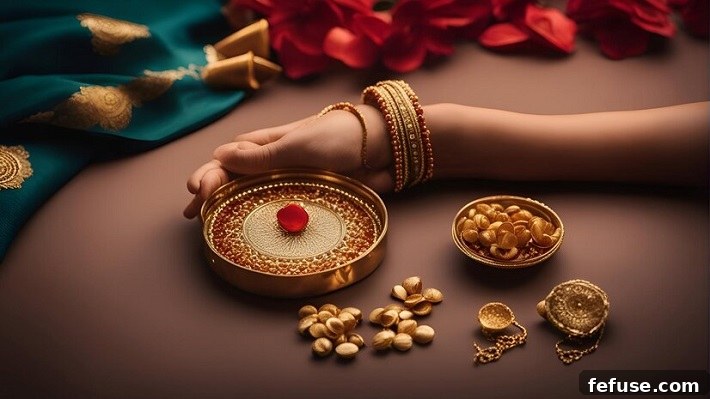
In recent years, Indian handmade jewelry has emphatically transcended geographical boundaries, earning well-deserved recognition and admiration on the global stage. India, with its centuries-old expertise in gem cutting, polishing, and jewelry manufacturing, has solidified its position as a formidable force in the international gem and jewelry trade. Its rich reserves of skilled labor and deep-rooted traditions provide a unique competitive edge, making it a preferred destination for high-quality, handcrafted pieces that blend traditional aesthetics with contemporary appeal.
The economic impact of this sector is immense, providing livelihoods for millions of artisans and supporting a vast ecosystem of designers, traders, and exporters. This global acknowledgment not only bolsters the industry financially but also serves as a resounding testament to the enduring appeal of artisanal creations in a world increasingly dominated by industrialized production. It underscores the timeless value placed on human skill, creativity, and the stories embedded within each handcrafted item.
Bridging Continents: Indian Jewelry on the International Stage
The journey of Indian handmade jewelry to global prominence has been significantly propelled by dedicated stalwarts and trade promotion bodies. These organizations play a pivotal role in showcasing the sector’s growth and incredible diversity at international exhibitions, trade fairs, and fashion events. They act as vital conduits, introducing the unparalleled Indian craftsmanship to a wider global audience and fostering robust relationships that transcend national borders, creating valuable opportunities for collaboration and export.
Through strategic collaborations with international designers and brands, and by embracing innovative design approaches that marry traditional Indian motifs with modern sensibilities, key brands have substantially contributed to India’s enhanced prominence in the international jewelry segment. This dynamic synergy not only expands market access but also introduces fresh perspectives to traditional designs. Furthermore, the growing global demand for ethical and sustainable products has positioned Indian handmade jewelry, often produced by local artisans with traditional, less industrialized methods, as an attractive choice for conscious consumers worldwide.
The Modern Consumer and Handcrafted Appeal
Today’s discerning consumers are increasingly looking beyond mere aesthetics when purchasing jewelry. There’s a noticeable shift in preference towards items that carry a story, that are sustainably and ethically produced, and that offer a unique personal touch. Handmade Indian jewelry perfectly aligns with these evolving values, offering not just beauty but also a narrative of heritage, skill, and authenticity. This trend is amplified by the power of social media and e-commerce platforms, which have democratized access to artisan products, connecting skilled Indian artisans directly with global buyers who appreciate craftsmanship and cultural narratives.
The digital landscape has become a crucial marketplace, allowing small-scale artisans and niche brands to reach an international clientele without the need for traditional retail intermediaries. This direct connection fosters greater transparency and allows the stories behind each piece and the artisans who create them to be shared more intimately, deepening the appreciation for these unique handcrafted treasures.
Handmade Jewelry as a Canvas for Personal Expression
More than a mere fashion statement or a decorative accessory, handmade jewelry serves as an intimate and profound expression of individuality. Each meticulously crafted piece encapsulates a personal story, reflecting the wearer’s distinct taste, evolving style, and deeply rooted cultural heritage. It’s a silent language, communicating identity and values without uttering a single word, making it an incredibly powerful form of self-expression in a visually driven world.
Within this rich narrative of personal expression, the term “designer bracelets” naturally finds its esteemed place. These are not just a category of jewelry but a profound celebration of innovative design, exceptional craftsmanship, and artistic vision. For those who seek a harmonious and elegant blend of timeless tradition and contemporary flair, designer bracelets stand out as an exquisitely refined choice. They embody a perfect synergy where age-old techniques meet modern aesthetics, resulting in pieces that are both classic and cutting-edge.
The Distinctive Charm of Designer Bracelets
Designer bracelets represent a pinnacle of artistic collaboration, often showcasing how traditional Indian craftsmanship can be reimagined for the modern global wearer. Crafted from a diverse array of materials – from precious metals like gold and silver to semi-precious stones, intricate beadwork, and innovative composites – these bracelets are defined by their unique aesthetic and meticulous execution. They can range from delicate, minimalist designs perfect for everyday elegance to bold, statement pieces adorned with elaborate embellishments, suitable for grand occasions.
What truly sets designer bracelets apart is their versatility and the story they tell. They cater to a broad spectrum of fashion sensibilities, seamlessly integrating into various wardrobes and personal styles. Whether it’s a piece incorporating traditional Meenakari work with a modern silhouette, or a bracelet featuring ethically sourced gemstones set in a contemporary design, these creations offer a distinct voice. They serve as a canvas for individual expression, allowing wearers to showcase their unique personality and connect with a piece of art that resonates deeply with their identity.
Crafting Your Narrative: From Everyday Wear to Special Occasions
The beauty of handmade jewelry, and especially designer bracelets, lies in its remarkable adaptability. These pieces are not confined to special occasions; many are designed to be integrated into daily wear, adding a touch of elegance and personal meaning to everyday life. A handcrafted silver bracelet with subtle engravings can elevate a casual outfit, while a intricately designed gold bracelet adorned with precious stones can become the focal point of an evening ensemble. This versatility ensures that the emotional and aesthetic value of these pieces can be enjoyed constantly, becoming an intrinsic part of the wearer’s self-expression.
Beyond their aesthetic appeal, handmade items, particularly those with an artisan’s unique touch, carry an inherent emotional value. They often mark milestones, celebrate relationships, or serve as reminders of cherished memories. This deep personal connection transforms them from mere accessories into treasured companions, each piece collecting new stories and significance with every wear. They become not just jewelry, but personal talismans, reflecting the journey and spirit of the individual.
Empowering Hands: The Artisans Behind the Masterpieces
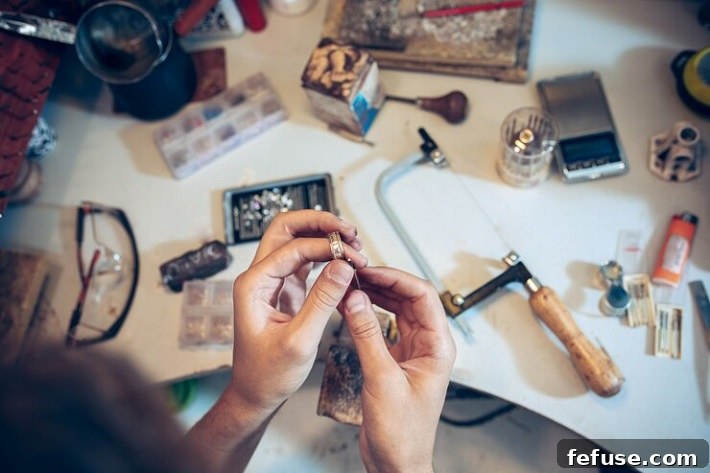
At the very core of India’s handmade jewelry industry are the skilled artisans – the unsung heroes whose hands, vision, and dedication breathe life into each exquisite creation. These craftspeople, often following traditions passed down through countless generations within their families, possess an extraordinary level of skill, patience, and artistic intuition. By highlighting the artisans’ stories, their backgrounds, and the intricate processes they employ, we shed light on the immense dedication and nuanced skill required to create these intricate and beautiful pieces, ensuring their invaluable contributions are recognized and celebrated.
Their mastery is a blend of ancestral knowledge and continuous refinement, a testament to a cultural heritage that values craftsmanship above all. Supporting handmade jewelry directly contributes to the livelihoods of these artisans, empowering them and their communities, and preserving a vital aspect of human artistry that might otherwise be lost in the age of automation.
Preserving Heritage, Embracing Innovation
The preservation of traditional techniques is crucial for maintaining the authenticity and unique character of Indian handmade jewelry. This is achieved through formal training programs, apprenticeships within artisan families, and initiatives that safeguard ancestral knowledge. However, true evolution requires more than mere preservation; it demands a dynamic balance with innovation. Training artisans not only ensures the continuity of these age-old techniques but also empowers them to adapt to contemporary design demands, understand new market trends, and incorporate modern aesthetics without losing their traditional essence.
This symbiotic relationship between tradition and innovation is a primary driving force behind the ongoing evolution of handmade jewelry. It ensures that the craft remains relevant and vibrant, making it not just a relic of the past but a thriving, forward-looking industry with a promising future. Designers and brands often collaborate directly with artisans, fostering a creative environment where traditional skills meet fresh ideas, leading to innovative pieces that appeal to a global audience while retaining their cultural roots.
Ethical Practices and Sustainable Futures
In an increasingly conscious marketplace, the discussion around ethical practices and sustainability in the jewelry industry is gaining significant momentum. Handmade Indian jewelry, by its very nature, often aligns with these principles. Many artisans work with locally sourced materials, and their production methods typically have a smaller environmental footprint compared to large-scale industrial manufacturing. Furthermore, supporting artisan-made jewelry directly contributes to fair trade practices, ensuring that the craftspeople receive fair wages and work in safe conditions.
This commitment to ethical sourcing and sustainable production not only enhances the appeal of Indian handmade jewelry but also reinforces its role in economic empowerment. By choosing handmade, consumers actively participate in a virtuous cycle that supports local economies, preserves cultural heritage, and promotes responsible consumption. This mindful approach ensures that the beauty of the jewelry extends beyond its physical form, encompassing the positive impact it creates for both people and the planet.
The Future of Indian Handmade Jewelry: A Radiant Path Forward
The allure of handmade jewelry crafted in India is a rich narrative that effortlessly transcends geographical boundaries and cultural divides. It is a compelling tale woven with threads of enduring tradition, bold innovation, and a vibrant celebration of individuality. As we continue to navigate this intricate and beautiful world of artisanal craftsmanship, designer bracelets, in particular, emerge as a timeless embodiment of this powerful blend – perfectly marrying classic heritage with contemporary design sensibilities. They symbolize a bridge between the past and the future, demonstrating how ancient skills can thrive in a modern context.
This expansive exploration not only pays profound homage to the intricate art of handmade jewelry but also critically acknowledges its significant and growing global impact. Through their unwavering commitment to preserving invaluable traditions while fearlessly embracing necessary innovation, key brands and dedicated organizations within the sector play a truly pivotal role in shaping this compelling narrative. It is incumbent upon everyone involved in the gem and jewelry sector to work collaboratively and strategically, acting as a guiding light that steers this exquisite industry towards even greater global recognition, appreciation, and sustainable prosperity for generations to come.