
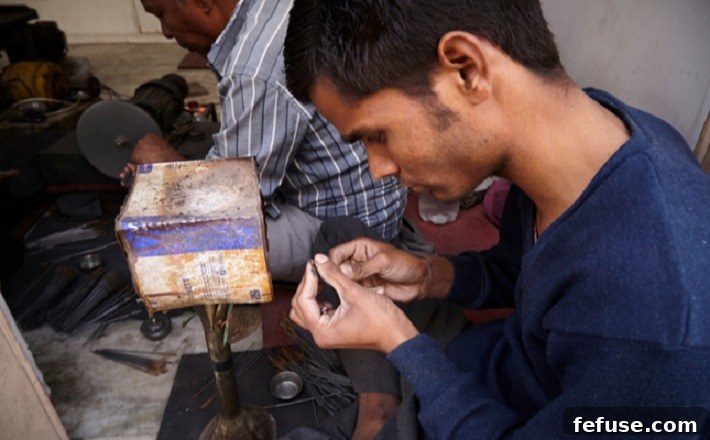
India’s Diamond Industry Rebounds: Surat Reopens and Strategic Import Embargo Takes Shape
The heart of the global diamond industry, India, is slowly but surely emerging from the unprecedented challenges posed by the nationwide COVID-19 lockdown. With restrictions easing across various sectors, the highly significant diamond manufacturing hub of Surat has begun its journey towards recovery. This pivotal moment is marked by two critical developments: the reopening of factories and trading operations, allowing diamond merchants to finally access their precious inventories, and a strategic, industry-wide decision to implement a voluntary embargo on rough diamond imports.
Surat’s Diamond Hub Springs Back to Life Amidst Eased Restrictions
For nearly two months, India’s stringent lockdown measures brought economic activity to a grinding halt, severely impacting industries reliant on intricate supply chains and large workforces. The diamond sector, a cornerstone of India’s export economy, felt the full force of these restrictions. However, a recent wave of regulatory relaxations has breathed new life into Surat, the world’s undisputed center for cutting and polishing diamonds.
Traders Regain Access to Vital Inventories
The first sign of revival was seen as traders and merchants, eager to resume operations, began crowding outside private vaults across Surat. These secure facilities, which serve as crucial depositories for countless small and medium-sized diamond businesses, had been inaccessible since the lockdown commenced. The reopening of these security companies on Saturday, for the first time in months, was a welcome relief, allowing businesses to retrieve their valuable rough and polished stones, essential for restarting the production cycle and fulfilling pending orders.
Factories and Workshops Resume Operations
Local authorities in Surat have given the green light for factories and workshops to resume production, albeit with strict guidelines designed to ensure public health and safety. These new operational norms mandate a workforce capacity of up to 50%, alongside rigorous adherence to sanitization protocols and social distancing measures. Similarly, offices are permitted to operate with up to a third of their staff. This measured approach aims to balance economic recovery with the ongoing need to contain the spread of the virus, providing a framework for the industry to safely return to productivity.
Industry Associations Drive Advocacy for Reopening
The decision to ease lockdown restrictions for the diamond industry was not arbitrary. It came after persistent lobbying and intense pressure from prominent industry bodies, including the Surat Diamond Association (SDA) and the Gems and Jewellery Export Promotion Council (GJEPC). These organizations played a crucial role in highlighting the severe economic repercussions of the prolonged shutdown and advocating for the safe resumption of activities, recognizing the industry’s significant contribution to employment and exports.
Addressing the Workforce Challenge
One of the most pressing concerns during the lockdown was the exodus of migrant workers. The diamond sector in Surat employs an estimated 750,000 workers, many of whom hail from various villages in Saurashtra. Industry leaders were deeply worried that approximately 300,000 of these skilled laborers had already returned to their hometowns, and another 150,000 were expected to follow suit if the shutdown continued. The reopening is a strategic move to stem this tide, encouraging workers to return to Surat and ensuring the availability of the skilled labor force critical for the industry’s robust functioning. Re-establishing this workforce will be key to scaling production back up to pre-pandemic levels.
Strategic Rough Diamond Import Embargo: Stabilizing the Global Market
Beyond the immediate concerns of restarting production, the Indian diamond industry is also taking proactive steps to address the broader implications of the pandemic on the global diamond supply chain. A significant development in this regard is the planned month-long voluntary embargo on rough diamond imports to India. This strategic move underscores the industry’s collective commitment to maintaining stability and health within the global diamond market.
The Rationale Behind the Embargo
The voluntary import embargo is a calculated response to the current market dynamics. The prolonged global lockdown has led to a significant accumulation of polished diamond inventory due to severely depressed consumer demand worldwide. By temporarily halting the import of new rough diamonds, the industry aims to achieve several critical objectives: stabilize rough diamond prices, prevent further oversupply in the manufacturing pipeline, allow existing inventory of polished diamonds to clear, and provide manufacturers with a crucial period to process their current stock without added pressure from new rough material. This measured approach seeks to restore balance between supply and demand, ensuring the long-term sustainability of the sector.
Postponement for Smooth Transition
Initially slated to take effect on May 15th, the voluntary rough import embargo has been strategically postponed to June 1st. This delay is a pragmatic decision, acknowledging that some international movement of goods has recently resumed. It allows for the completion of imports of rough diamonds that were pre-purchased or already in transit before the full impact of global lockdowns and travel restrictions. This ensures that legitimate, previously committed transactions can be finalized, preventing undue disruption while still moving forward with the overarching goal of market stabilization.
A Unified Industry Effort
The call for this crucial embargo is a testament to the unified vision and collaborative spirit within India’s diamond sector. It is being collectively championed by four highly influential and respected bodies: the Bharat Diamond Bourse (BDB), the Mumbai Diamond Merchants Association (MDMA), the Surat Diamond Bourse (SDB), and the Surat Diamond Association (SDA). Their joint appeal highlights a consensus on the need for decisive action to safeguard the industry’s future and underscores India’s pivotal role in global diamond trade governance.
Navigating the Future: Challenges and Opportunities for the Indian Diamond Industry
As India’s diamond industry embarks on this challenging yet hopeful recovery phase, it faces a multitude of complexities. The global economy remains uncertain, and consumer confidence in luxury goods is still volatile. International travel restrictions continue to impact logistics and trade shows, which are vital for business development. Furthermore, maintaining financial liquidity for businesses, especially smaller players, will be a critical hurdle to overcome.
However, the industry’s resilience and strategic foresight provide a strong foundation for navigating these challenges. The proactive measures like the import embargo demonstrate a commitment to long-term health over short-term gains. Opportunities also lie in accelerating digitalization, exploring new marketing channels, and adapting to evolving consumer preferences. India’s unparalleled expertise in diamond cutting and polishing, combined with its robust infrastructure, positions it to continue leading the global market, innovating and adapting to the “new normal.”
Conclusion: A Phased Approach to Recovery and Stability
The reopening of Surat’s diamond factories and the strategic rough diamond import embargo collectively signal a crucial turning point for India’s diamond industry. While the immediate return of traders to vaults and the resumption of manufacturing bring much-needed relief and economic activity, the voluntary import ban demonstrates a far-sighted approach to ensuring market stability in the wake of unprecedented global disruption. These twin efforts highlight the industry’s determination to rebuild, adapt, and secure its future, reaffirming India’s indispensable role at the forefront of the global diamond trade.