
Signet Jewelers Navigates Economic Headwinds with Strategic Vision and Resilient Portfolio
As the undisputed global leader in diamond jewelry retail, Signet Jewelers consistently finds itself at the forefront of the luxury market, managing a vast network of stores under iconic brands like Kay Jewelers, Zales, and Jared. While its position remains robust, the company recently reported a dip in its Q4 2022 financial performance, reflective of a challenging macroeconomic environment. This comprehensive analysis will delve into the specific factors contributing to the recent sales decline, Signet’s strategic responses, the unwavering optimism articulated by its leadership for the coming fiscal years, and the foundational strengths that underpin its long-term growth trajectory. By meticulously adapting, innovating, and strategically reinforcing its market dominance through calculated acquisitions and robust operational strategies, Signet aims to overcome current pressures and emerge even stronger.
Q4 2022 Performance: A Deep Dive into Sales Decline and External Pressures
Signet Jewelers reported its financial results for the fourth quarter of fiscal year 2023, covering the three months ending January 28, 2023. The company announced a 5.2 percent decrease in sales, which translated to a reduction of $145.1 million, bringing total revenue down to $2.7 billion. While this decline is notable, it is essential to contextualize it within a landscape of significant external factors that broadly impacted consumer spending and retail operations across various sectors, particularly within the luxury and discretionary goods market. Understanding these macro-level headwinds is crucial to appreciating the complex environment in which Signet, like many other retailers, had to operate.
One of the most immediate and impactful challenges cited by Signet was the devastating influence of Storm Elliott. This severe weather event occurred during the critical peak Christmas selling period in the United States, a time when jewelry sales traditionally surge and contribute a substantial portion to annual revenues. The storm caused widespread disruptions, including numerous store closures, significantly reduced foot traffic in key retail areas, and considerable logistical hurdles for both in-store and online operations. For a retailer heavily reliant on seasonal sales, such an event can have an outsized negative effect on financial performance, directly impeding sales volume during this crucial window when consumers are most actively shopping for holiday gifts.
Beyond natural disasters, Signet also contended with broader economic and geopolitical instabilities that dampened consumer confidence and purchasing power. Labor strikes, which were a recurring theme across various industries throughout the year, contributed to supply chain inefficiencies, increased operational costs, and in some cases, likely affected overall consumer sentiment and disposable income. The weakened British Pound presented another significant challenge, particularly impacting the profitability of Signet’s substantial UK operations, which include popular heritage brands like H. Samuel and Ernest Jones. A weaker pound translates to lower reported revenues when converted back to US dollars, affecting the company’s consolidated financial statements and overall financial health.
Furthermore, the ongoing volatility created by the war in Ukraine cast a long shadow over global economic stability. Geopolitical tensions invariably lead to increased uncertainty, which often prompts consumers to pull back on discretionary spending, especially for high-value items like diamond jewelry. This uncertainty, combined with widespread inflationary shocks across major economies, significantly eroded consumer purchasing power. Rising costs for essentials such as food, fuel, and housing left less disposable income available for non-essential luxury purchases, directly impacting sales across the retail spectrum, including the premium jewelry segment. The cumulative effect of these economic turmoil elements presented a formidable headwind for Signet and the broader retail industry, making the reported decline understandable within this challenging context.
Leadership Confidence Amidst Challenges: Virginia Drosos’s Strategic Vision
Despite the formidable challenges outlined in the Q4 2022 report, Signet’s CEO, Virginia Drosos, expressed strong and measured confidence in the company’s trajectory for the current fiscal year (FY24) and beyond. Her optimism is not merely aspirational but is firmly rooted in several core strengths and strategic pillars that Signet has meticulously built and refined over years of market leadership. These include a highly differentiated portfolio of brands, a proven ability to consistently deliver robust financial performance, and a meticulously managed balance sheet that provides the necessary flexibility for strategic investments, even during periods of economic uncertainty.
One of the critical foundations of Signet’s resilience is its diverse and differentiated brand portfolio. Unlike a single-brand retailer that might be vulnerable to shifts in specific market segments, Signet operates a constellation of highly recognized names, each meticulously designed to cater to distinct customer segments, price points, and preferences. Brands like Kay Jewelers serve the mainstream market with accessible engagement rings and gifts, leveraging its iconic advertising and broad appeal. Zales The Diamond Store offers a more fashion-forward and diverse selection, often appealing to a younger demographic with contemporary designs. Jared The Galleria of Jewelry targets a more affluent clientele seeking higher-end pieces, personalized service, and a comprehensive bridal experience.
The strategic acquisition of online pure-play retailers like JamesAllen.com and, most recently, Blue Nile (which will be discussed in more detail), further expands Signet’s reach into the rapidly growing digital-first consumer base. These platforms offer extensive customization options, virtual try-on experiences, and a transparent buying process that appeals to modern shoppers. Meanwhile, newer concepts like Banter by Piercing Pagoda tap into younger demographics with trendy piercings and fashion jewelry, reflecting evolving consumer tastes. Diamonds Direct offers a direct-to-consumer model with a strong local presence, providing a more curated and personal shopping experience. This multi-faceted approach allows Signet to capture a broader share of the total addressable market and significantly mitigates risks associated with fluctuations in any single segment or consumer trend, ensuring a more stable revenue stream.
Drosos also highlighted the company’s consistent track record of delivering “an annual double-digit non-GAAP EBIT margin.” This metric, which represents earnings before interest and taxes adjusted for certain non-recurring or non-cash items, is a testament to Signet’s superior operational efficiency, disciplined cost management, and ability to maintain healthy profit margins even in a challenging environment. A strong non-GAAP EBIT margin indicates effective core business operations and allows the company to generate substantial cash flow. This financial discipline is crucial for sustaining long-term growth, funding innovation, and weathering economic storms by providing a robust financial buffer.
The third pillar of confidence lies in Signet’s healthy balance sheet. A strong financial position, characterized by manageable debt levels, robust liquidity, and efficient working capital management, provides the company with significant strategic flexibility. It enables Signet to not only withstand economic downturns but also to proactively invest in critical areas that drive future growth. These investments include technological advancements, such as enhancing e-commerce platforms and supply chain digitalization; store modernization and strategic new openings; and impactful marketing campaigns that reinforce brand loyalty. This ability to invest during periods of uncertainty is a key competitive advantage, allowing Signet to emerge stronger and more agile when market conditions inevitably improve, setting it apart from competitors with less financial fortitude.
Strategic Outlook for FY24: Leveraging Strengths for Future Growth and Market Leadership
Looking ahead to Fiscal Year 2024, Virginia Drosos articulated a clear and ambitious vision for growth, emphasizing Signet’s commitment to leveraging its inherent strengths to outperform the broader jewelry industry. “As we turn to FY24, we are confident in the sustainable competitive advantages we’ve built and our ability to leverage our enhanced infrastructure and scale to grow ahead of the jewelry industry,” she stated. This declaration underscores a proactive strategy focused on maximizing existing assets, refining operational capabilities, and capitalizing on market opportunities.
Signet’s sustainable competitive advantages are manifold and deeply embedded in its operational fabric. Its sheer scale as the world’s largest diamond jewelry retailer grants it significant purchasing power, allowing for more favorable sourcing of diamonds, precious metals, and other materials. This is a critical factor in managing costs, ensuring product availability, and maintaining competitive pricing. The extensive network of approximately 2,800 stores provides unparalleled physical reach, fostering personal connections with customers, while its sophisticated e-commerce platforms offer a seamless omnichannel experience. This allows customers to browse, research, purchase, and pick up items with ultimate ease and flexibility, blurring the lines between online and in-store shopping. Furthermore, Signet’s deep understanding of consumer preferences, honed over decades of market leadership, enables it to continually refine its product offerings and marketing strategies to resonate deeply with diverse customer bases across various demographics and geographies.
The company’s continuous focus on an enhanced infrastructure and scale is central to its future growth strategy. This includes ongoing, significant investments in digital transformation, such as advanced data analytics for highly personalized marketing campaigns, improved customer relationship management (CRM) systems for a more tailored shopping experience, and supply chain digitalization for greater efficiency, transparency, and responsiveness. By optimizing its operational backbone, Signet aims to reduce costs, improve speed to market for new products, and enhance the overall customer journey from discovery to post-purchase support. This immense scale also provides advantages in terms of brand recognition, marketing reach, and the crucial ability to attract and retain top talent across its vast and complex operations, ensuring a high level of service and expertise.
Growing “ahead of the jewelry industry” implies an ambitious objective to gain market share and demonstrate superior resilience and adaptability compared to competitors. This can be achieved through several key avenues: continued innovation in product design (e.g., expanding offerings in sustainable and lab-grown diamonds, personalized and custom-made jewelry), delivering superior customer service across all touchpoints (both in-store and online), executing targeted marketing campaigns that celebrate life’s most special moments, and the continuous optimization of its retail footprint, including strategic store remodels and openings in high-growth areas. Signet’s commitment to responsible sourcing and ethical practices also aligns perfectly with evolving consumer values, particularly among younger generations, potentially attracting a new and socially conscious generation of buyers who prioritize transparency and ethical production.
Strategic Expansion: The Transformative Blue Nile Acquisition
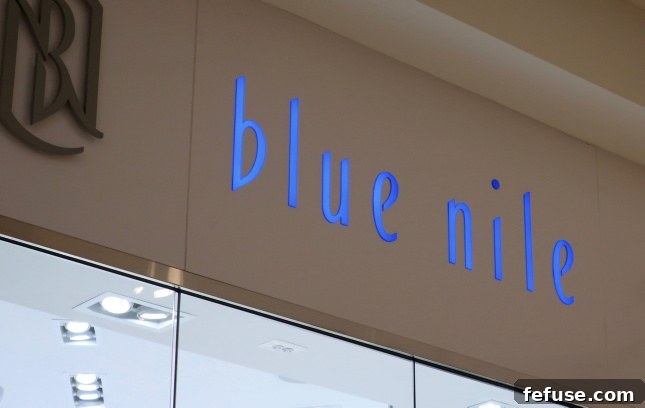
A pivotal and highly strategic move in Signet’s broader strategy to bolster its digital presence and significantly expand its market reach was the acquisition of Blue Nile. This landmark deal was announced in August of the previous year (2022) for a reported $360 million. The acquisition represented a significant strategic coup, integrating a highly respected and long-established online diamond retailer into the Signet family. Blue Nile has been widely recognized as a pioneer in online diamond sales, building a strong reputation for offering a vast selection of loose diamonds and engagement rings with an emphasis on transparency, customization, and competitive pricing, primarily through its digital-first model.
The integration of Blue Nile into Signet’s diverse portfolio is expected to yield substantial synergies across multiple facets of the business. Firstly, it substantially strengthens Signet’s overall digital capabilities and significantly expands its market share within the rapidly growing online luxury jewelry segment. Blue Nile’s profound expertise in e-commerce operations, digital marketing, and virtual customer engagement perfectly complements Signet’s existing digital platforms, such as JamesAllen.com, creating an even more robust and diverse online offering. This combination allows Signet to leverage best practices from both entities, accelerating its digital transformation journey.
Secondly, the acquisition allows Signet to effectively tap into Blue Nile’s loyal and distinct customer base, particularly those who prefer a purely online purchasing journey and place a high value on the brand’s reputation for quality, transparency, and competitive pricing. This strategic move not only expands Signet’s demographic reach but also effectively caters to evolving consumer preferences for online convenience, extensive selection, and personalized shopping experiences, especially for significant life purchases like engagement rings. By integrating Blue Nile, Signet solidifies its position as the go-to destination for both in-store and online diamond jewelry purchases.
Furthermore, the acquisition presents significant opportunities for operational efficiencies and supply chain optimization. By integrating Blue Nile’s advanced sourcing and fulfillment processes with Signet’s extensive infrastructure and purchasing power, the combined entity can potentially achieve greater economies of scale, reduce operational costs, and enhance the overall efficiency of its global supply chain. This move underscores Signet’s forward-thinking approach to modern retail, recognizing the paramount importance of a strong omnichannel presence where physical stores and cutting-edge digital platforms seamlessly complement each other to provide a holistic, engaging, and personalized shopping experience for every customer, regardless of their preferred purchasing channel.
Global Footprint and Unrivaled Brand Diversity
Signet Jewelers’ unparalleled leadership position in the global diamond jewelry market is powerfully underscored by its expansive retail network and diversified brand portfolio. The company proudly operates approximately 2,800 stores across key markets in North America and the United Kingdom, serving millions of customers annually with a wide array of products and services. This extensive physical presence is a cornerstone of its sophisticated omnichannel strategy, allowing customers to engage with its beloved brands both online and in person, benefiting from the tangible, tactile experience of jewelry shopping and personalized consultation from expert staff.
The sheer breadth and strategic curation of its brand ecosystem are a testament to Signet’s astute strategy of catering to nearly every significant market segment and demographic. In North America, its flagship brands include Kay Jewelers, widely recognized for its iconic “Every Kiss Begins with Kay” slogan and its accessible fine jewelry, making it a go-to for gifts and engagement rings for the mainstream market. Zales The Diamond Store often appeals to a younger, fashion-conscious demographic with its modern designs and diverse price points, while Jared The Galleria of Jewelry distinguishes itself with larger, more luxurious stores, an extensive selection, and valuable on-site repair and customization services, targeting more discerning buyers seeking premium quality and personalized experiences. Complementing these traditional powerhouses are innovative concepts like Banter by Piercing Pagoda, which offers modern piercing services and trend-driven fashion jewelry, effectively capturing a vibrant youth market and staying ahead of evolving style trends.
The strategic additions of Diamonds Direct, specializing in curated diamond collections with a focus on value and expert guidance, and online giants JamesAllen.com and Blue Nile (post-acquisition), have further solidified Signet’s digital dominance and enhanced its bespoke offerings. These platforms allow customers to design custom rings, visualize diamonds in 3D, and access a wider selection than any single physical store could offer. Across the Atlantic, Signet maintains a robust and venerable presence in the United Kingdom with heritage brands such as H.Samuel and Ernest Jones. H.Samuel is a widely recognized high-street jeweler offering a broad range of watches, jewelry, and gifts with mass appeal, while Ernest Jones positions itself as “The Diamond and Watch Specialist,” catering to a more premium segment with luxury brands, exclusive collections, and a focus on high-end timepieces. In Canada, Peoples Jewellers serves as a beloved national brand, mirroring the accessible luxury offering and broad appeal of Kay Jewelers in the U.S. This extensive geographical and demographic diversification minimizes exposure to regional economic downturns and allows Signet to leverage localized market insights and consumer preferences effectively. The strategic curation and agile management of such a diverse portfolio enable Signet to maintain its competitive edge and adapt swiftly to dynamic market conditions, solidifying its role as a global leader.
Conclusion: Resilience, Strategic Investment, and a Bright Future for Signet
Signet Jewelers’ Q4 2022 performance, while undeniably impacted by a challenging macroeconomic environment and unforeseen events like Storm Elliott, should be viewed within the broader context of its robust strategic foundation and forward-looking leadership. CEO Virginia Drosos’s unwavering confidence in the company’s ability to achieve sustainable competitive advantages and outpace the broader jewelry industry in FY24 is well-founded, stemming from its deeply diversified brand portfolio, impressive operational efficiencies, and a healthy balance sheet that strategically facilitates crucial investments during periods of market flux.
The transformative strategic acquisition of Blue Nile further solidifies Signet’s indispensable position in the crucial digital space, significantly enhancing its omnichannel capabilities and expanding its reach to an even broader and more diverse customer base. With an unparalleled global footprint comprising approximately 2,800 stores and a brand family that includes industry titans like Kay Jewelers, Zales, Jared, and the innovative digital platforms of JamesAllen.com and Blue Nile, Signet is exceptionally well-positioned to navigate future market shifts and capitalize on emerging trends. By continuing to innovate in product design, invest proactively in its advanced infrastructure, prioritize an exceptional customer experience, and adhere to its commitment to responsible sourcing, Signet Jewelers remains poised to not only overcome current challenges but to further strengthen its leadership as the premier and most trusted destination for diamond jewelry worldwide.