
The Commercial Imperative: Why Responsible Business Practices Drive Success in the Jewellery Industry
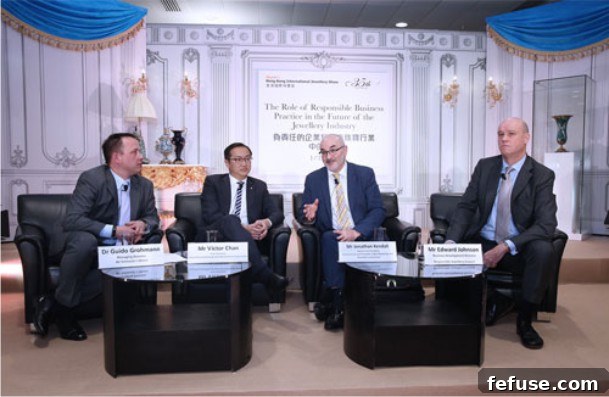
In an era increasingly shaped by conscious consumerism and a global demand for ethical accountability, the jewellery industry stands at a critical juncture. The allure of luxury goods now extends far beyond exquisite design and precious materials; it encompasses the integrity of the entire supply chain, the ethics behind sourcing, and the commitment to social and environmental responsibility. Recognizing this profound shift, the Responsible Jewellery Council (RJC) recently hosted a pivotal industry panel discussion, shedding light on the compelling commercial arguments for embedding responsible business practices firmly within the operational DNA of every jewellery enterprise.
This significant event, held during the illustrious 35th Hong Kong International Jewellery Show – a globally recognized platform for the fine jewellery and watch sectors – underscored a fundamental truth: a proactive commitment to sustainability and ethics is no longer merely an optional add-on, but a strategic imperative. The discussion brought together a diverse group of influential leaders, whose collective expertise illuminated how embracing accountability can serve as a powerful catalyst for competitive advantage and foster long-term profitability in a rapidly evolving market.
Leading Voices Championing Ethical Jewellery Standards
The panel discussion featured an esteemed assembly of industry experts, each contributing a unique and vital perspective to the dialogue. These luminaries represented key facets of the global jewellery sector, from major manufacturing hubs and influential trade associations to internationally recognized brands synonymous with luxury and responsible sourcing. Their participation alone signaled the widespread recognition across the industry of the urgency and profound importance of the topics at hand.
- Ken Lo: As the distinguished Chairman of the Hong Kong Jewellery & Jade Manufacturers Association (HKJJA), Mr. Lo offered invaluable insights into the practical implementation of responsible standards within large-scale production environments, representing a significant regional manufacturing force.
- Victor Chan: Holding prominent roles as Vice Chairman of HKJJA and Chairman and Executive Director of Continental Jewellery (MFG) Ltd, Mr. Chan provided a compelling case study. His company has been RJC certified since 2015, showcasing the tangible benefits and practical realities of achieving and maintaining such a prestigious certification.
- Jonathan Kendall: Representing Forevermark, a certified entity of the RJC founding member, De Beers Group of Companies, Mr. Kendall articulated the viewpoint of a major global diamond brand, where responsible sourcing, transparent practices, and unwavering consumer trust are paramount to its brand identity and market leadership.
- Dr. Guido Grohmann: As Managing Director of the prominent German jewellery trade association, BV Schmuck+Uhren, Dr. Grohmann offered a crucial European perspective, highlighting the evolving regulatory landscape and the sophisticated consumer expectations prevalent within mature Western markets.
The entire, thought-provoking conversation was expertly moderated by Edward Johnson, the RJC’s newly appointed Director of Business Development. His adept guidance ensured a dynamic and forward-thinking dialogue, keeping the focus squarely on actionable strategies and the tangible, commercial benefits of embracing a responsible approach to business.
The RJC’s Vision: Fostering Trust and Accountability in the Global Supply Chain
In his compelling welcome remarks, Ken Lo underscored the profound relevance of the Responsible Jewellery Council to the modern jewellery industry. He unequivocally reaffirmed the HKJJA’s steadfast and ongoing support for the RJC’s overarching and vital vision: to cultivate a truly responsible, transparent, and worldwide supply chain. This ambitious vision aims to be the bedrock for promoting unparalleled trust and accountability across the entire global fine jewellery and watch industry. This extends beyond mere regulatory compliance, striving instead to embed a deep-seated culture where ethical practices are intrinsically linked to sustainable business success and enhanced consumer confidence.
The RJC, through its robust and internationally recognized standards and certification program, actively champions this transformative vision. Its core mission is to advance exemplary ethical, human rights, social, and environmental practices throughout the entire diamond, gold, and platinum group metals jewellery supply chain, from the initial stages of mining right through to the final retail presentation. By providing a credible, third-party verified framework for responsible operations, the RJC empowers its members to not only demonstrate but also validate their profound commitment to sustainability and fair practices, thereby significantly strengthening the collective reputation and integrity of the entire industry.
Addressing the Evolving Consumer Landscape: The Imperative of Transparency and CSR
A central, recurring theme woven throughout the panel discussion was the undeniable and rapidly accelerating demand from consumers for greater transparency and unwavering accountability from the brands they choose to patronize. The panelists were in complete agreement: this isn’t a fleeting trend but a fundamental, irreversible shift in global consumer values and purchasing priorities. In direct response to this evolving market landscape, companies are now compelled to establish clear, robust, and well-articulated Corporate Social Responsibility (CSR) objectives that are not only rigorously defined but also actively communicated, consistently implemented, and demonstrably acted upon across all levels of operation.
The Rise of Generation Z: A New Paradigm for Responsible Consumption
A significant and particularly insightful portion of the discussion was dedicated to understanding the burgeoning influence of Generation Z – the post-millennial age group that represents the future demographic of high-value, luxury consumers. This generation, profoundly characterized by its inherent and inseparable connection to digital technology and social media, exhibits a distinct set of values and behaviors that directly impact their purchasing decisions and brand loyalty. Unlike previous generations, Gen Z has grown up with instant, unfettered access to information, global news, and powerful social advocacy movements. Consequently, they possess an exceptionally high expectation of transparency and authenticity from the brands they consider.
Generation Z consumers are not easily swayed by superficial marketing campaigns; instead, they demand genuine authenticity, verifiable ethical sourcing, and a demonstrable commitment to social justice and environmental stewardship. Furthermore, this generation tends to be significantly more risk-averse when it comes to supporting companies perceived to have questionable ethics or unsustainable practices. They are remarkably adept and quick to research a brand’s reputation, scrutinize its supply chain practices, and evaluate its overall social and environmental impact. A single misstep, a lapse in ethical conduct, or a failure in transparency can lead to rapid and significant reputational damage, instantly amplified across digital platforms and social networks.
For the luxury jewellery sector, this means that every diamond, every precious gemstone, and every piece of fine metal must come with a verifiable, compelling story of integrity and responsible origin. Brands that fail to meet these elevated expectations risk profound alienation from this powerful new consumer segment, potentially jeopardizing future market share, brand equity, and long-term viability. Conversely, brands that proactively embrace transparency, champion ethical practices, and authentically communicate their sustainability efforts stand to gain an invaluable competitive advantage, fostering deep trust, cultivating unwavering loyalty, and building enduring relationships with these discerning and values-driven buyers.
Crafting Robust Corporate Social Responsibility Strategies for the Jewellery Industry
Responding effectively and strategically to these shifting consumer trends necessitates a comprehensive, well-integrated, and proactively managed approach to Corporate Social Responsibility. In the nuanced context of the jewellery industry, CSR encompasses a broad and critical spectrum of initiatives. These include, but are not limited to, the ethical sourcing of raw materials, ensuring fair and safe labor practices across the entire global supply chain, minimizing adverse environmental impacts throughout production, actively supporting and uplifting local communities, and committing to transparent and responsible marketing practices.
Establishing clear, actionable, and measurable CSR objectives involves several key strategic components:
- Defining Core Values: Articulating precisely what “responsibility” signifies to the company and meticulously aligning these values with its overarching business strategy and corporate mission.
- Rigorous Supply Chain Due Diligence: Implementing sophisticated and robust processes to accurately trace the origin of all materials and meticulously verify ethical practices at every single stage of the supply chain.
- Proactive Stakeholder Engagement: Actively involving a diverse range of stakeholders, including employees, suppliers, customers, local communities, and industry partners, in the development and execution of CSR initiatives.
- Transparent Reporting and Communication: Regularly and openly communicating progress, achievements, and challenges in reaching CSR goals through comprehensive reports, digital platforms, and direct consumer engagement.
- Commitment to Continuous Improvement: Viewing CSR not as a one-time achievement or a static target, but as an ongoing journey of learning, adaptation, and relentless improvement, always striving for higher standards.
A truly robust and authentically implemented CSR strategy not only effectively addresses the escalating consumer demands but also yields substantial and measurable commercial benefits. These advantages include a significantly enhanced brand reputation, increased customer loyalty, improved risk management capabilities, greater appeal to ethically-minded investors, and an enhanced ability to attract and retain top talent who seek purposeful employment.
The Unquestionable Value of RJC Certification
The panel discussion unequivocally underscored the intrinsic and profound value of RJC certification as a tangible, verifiable, and globally recognized means for its members to demonstrate exemplary leadership and cultivate an organizational culture deeply rooted in excellence, transparency, and integrity. This prestigious certification serves as a powerful external validation, providing unwavering assurance to consumers, business partners, and all stakeholders that a certified company adheres to the absolute highest international standards of responsible business conduct. For consumers, particularly the discerning individuals within Generation Z, the RJC certification offers a clear, verifiable, and trustworthy marker of a brand’s unwavering commitment to ethical sourcing, responsible practices, and environmental stewardship, directly translating into heightened trust and profound confidence in their purchasing decisions.
RJC certification is meticulously built upon a stringent and comprehensive Code of Practices (COP) that addresses an extensive range of critical issues spanning the entire jewellery supply chain. This all-encompassing framework includes, but is not limited to, vital considerations such as human rights, labor rights, environmental performance and impact, product integrity, and robust management systems. Achieving this esteemed certification requires undergoing a rigorous, independent third-party audit, which meticulously verifies that a company not only has robust policies in place but also actively implements, monitors, and continually improves upon them. This holistic and thorough approach ensures that RJC-certified members are not just compliant, but are genuine leaders in their field, actively contributing to the development of a more sustainable, ethical, and transparent global jewellery industry.
Technology: A Game-Changer for Transparency and Disclosure in the Jewellery Sector
Panelists also touched upon, briefly yet significantly, the vital and rapidly evolving role of advanced technology in ensuring unprecedented levels of transparency, authenticity, and product integrity within the complex jewellery sector. Specifically, the discussion highlighted technology’s absolutely crucial contribution to the accurate and reliable detection of laboratory-grown diamonds (LGDs) and the implementation of comprehensive, trustworthy product disclosure systems.
With the increasing prevalence and sophistication of LGDs in the market, advanced technological tools have become indispensable for accurately differentiating between natural and man-made diamonds. Cutting-edge instruments such as advanced spectroscopes, sophisticated Raman spectroscopy, and other highly specialized analytical devices provide precise and unequivocal identification, thereby preventing any potential misrepresentation and rigorously safeguarding consumer trust. This technological capability extends beyond mere identification; it is fundamental to maintaining the integrity of the entire diamond supply chain and ensuring fair and equitable competition across the market.
Beyond the critical aspect of LGD detection, technology is profoundly revolutionizing product disclosure. Innovative blockchain-based solutions, for instance, are now capable of creating immutable, tamper-proof, and transparent records of a gemstone’s entire journey from its initial point of origin (mine) to its final presentation in the retail environment. Furthermore, digital certificates of authenticity can provide consumers with exceptionally detailed information regarding origin, cutting and polishing processes, any treatments applied, and even the verified social and environmental impact associated with its sourcing. Such comprehensive, verifiable disclosure empowers consumers with the unprecedented knowledge they need to make truly informed and conscientious purchasing decisions, thereby reinforcing the inherent value proposition of ethically sourced and transparently marketed fine jewellery.
Trust, Integrity, Leadership: The Indispensable Pillars of Future Success
Bringing the enlightening and impactful panel discussion to a close, each panelist was invited to distill the fundamental, core reason for their company’s unwavering RJC membership into a single, powerful, and resonant word. The responses were profound, deeply reflective, and unequivocally indicative of the foundational values that are now vigorously driving the industry forward: “Trust,” “Integrity,” and “Leadership.” These three words, while individually powerful and evocative, collectively form the bedrock upon which the future sustainability, ethical standing, and enduring prosperity of the entire jewellery industry will be built and sustained.
- Trust: Universally acknowledged as the ultimate currency in any luxury market, especially one built on enduring value. RJC membership and its rigorous certification process are instrumental in building profound trust with consumers, fostering strong relationships with business partners, and gaining credibility with regulatory bodies, thereby ensuring long-term loyalty and brand longevity.
- Integrity: Represents the unwavering commitment to upholding the highest ethical standards, unwavering transparency, and unyielding honesty in all business dealings. This principle is about consistently doing the right thing, even when operating beyond public scrutiny, and it forms the indispensable foundation of a truly reputable and respected brand.
- Leadership: Embodies taking a proactive, visionary stance in defining, developing, and meticulously implementing industry best practices. It involves setting an exemplary standard for others to follow, actively driving positive, transformative change within the industry, and fostering innovation. RJC-certified companies embody this spirit of leadership, actively shaping a more responsible and sustainable future for the entire sector.
A Call to Continuous Improvement and Proactive Responsibility
Edward Johnson, RJC Director of Business Development, provided an eloquent and insightful summary of both the urgent challenges and the immense opportunities presented by the continuously evolving industry landscape. “This was a thought-provoking conversation that highlighted the absolute need for continuous improvement within the jewellery industry to secure its future,” he stated. His remarks powerfully underscored the dynamic nature of ethical responsibilities and the imperative for businesses to not rest on past achievements, but to relentlessly strive for ever-higher standards of conduct and performance.
Mr. Johnson further elaborated on the tangible, multifaceted benefits of strategically aligning with the RJC’s vital mission: “Joining the RJC and achieving certification against our Code of Practices enables businesses worldwide to not only meet these shifting consumer demands but also to stay ahead of legislation, manage risk and protect their reputation for a bright and prosperous future.” This powerful and comprehensive statement encapsulates the myriad strategic advantages of RJC membership. It clearly signifies that RJC engagement is about far more than mere compliance; it represents a strategic, long-term investment in a company’s longevity, its ethical standing, and its ultimate commercial success.
By proactively embracing and pursuing RJC certification, jewellery businesses strategically position themselves to:
- Meet Shifting Consumer Demands Effectively: Directly and confidently address the escalating desires of informed, values-driven consumers for ethically produced, transparently sourced, and sustainably manufactured products, thereby significantly enhancing market appeal and driving sales growth.
- Stay Ahead of Evolving Legislation: Proactively anticipate, understand, and adapt to evolving national and international regulations concerning ethical sourcing, environmental impact, labor practices, and supply chain due diligence, thereby effectively avoiding costly penalties, legal liabilities, and significant reputational damage.
- Manage Risk Comprehensively and Effectively: Mitigate a wide array of potential risks, including critical supply chain disruptions, severe reputational harm stemming from unethical practices, and complex legal liabilities, thus ensuring robust business continuity and long-term stability.
- Protect and Enhance Reputation: Meticulously safeguard, strengthen, and significantly enhance brand image as a consistently responsible, trustworthy, and ethical entity, fostering deep customer loyalty and attracting highly skilled top talent. This also critically extends to strengthening invaluable relationships with investors and financial institutions who are increasingly scrutinizing ESG (Environmental, Social, and Governance) performance metrics.
The compelling panel discussion at the Hong Kong International Jewellery Show served as a potent, undeniable reminder that the relentless pursuit of commercial success and the unwavering adherence to responsible, ethical business practices are not mutually exclusive objectives. On the contrary, they are inextricably linked, forming a symbiotic relationship where one profoundly influences and enhances the other. For the modern jewellery industry, the most viable and undoubtedly brightest path to a prosperous and enduring future is paved with unwavering trust, unimpeachable integrity, and visionary, proactive leadership – all championed and rigorously supported by the invaluable work and unwavering commitment of the Responsible Jewellery Council.
News Source: gjepc.org