
Richemont Shines in Q3 with Robust Jewelry Sales Amidst Evolving Luxury Landscape
Richemont’s Third Quarter Performance: A Deeper Dive into Luxury Dynamics
Geneva-based luxury conglomerate Richemont, a global leader in high-end jewelry, watches, and fashion, recently unveiled its performance for the third quarter, which concluded on December 31. The report highlights a compelling narrative of growth, primarily propelled by its illustrious jewelry division, even as other segments navigate a shifting global luxury market. These results offer valuable insights into current consumer trends and the strategic agility required to thrive in the competitive world of luxury goods.
Overall, Richemont reported a commendable 7 percent increase in total sales at constant exchange rates for the third quarter, translating to a 1 percent rise at actual exchange rates. This growth trajectory underscores the conglomerate’s enduring appeal and its ability to adapt to diverse market conditions, solidifying its position as a bellwether for the luxury sector’s health.
Jewelry Division: The Undisputed Growth Engine
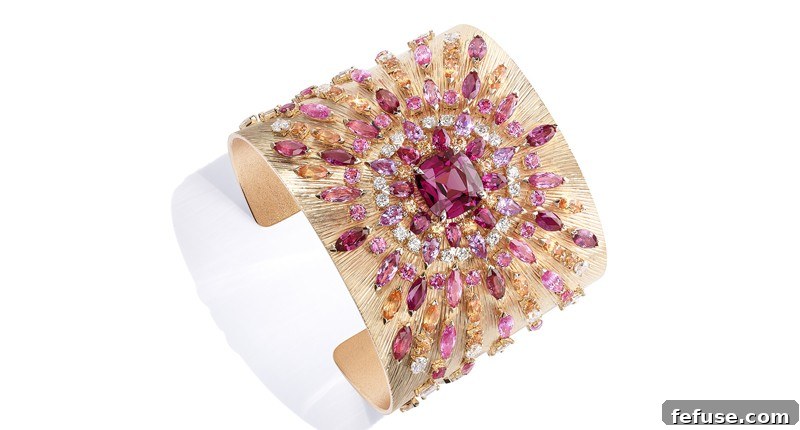
The standout performer of Richemont’s third-quarter results was undeniably its jewelry division. The segment, home to iconic brands like Cartier and Van Cleef & Arpels, posted an impressive 11 percent increase in sales at constant exchange rates and a solid 5 percent rise at actual exchange rates. This robust performance is not merely a fleeting trend but a reflection of deep-seated consumer confidence in timeless luxury and the enduring value proposition of high-end jewelry.
Several factors contribute to jewelry’s consistent strength. High-end jewelry pieces often represent significant milestones, emotional investments, and heirlooms, making them less susceptible to short-term economic fluctuations than other luxury categories. Moreover, the global appeal of Richemont’s jewelry maisons, renowned for their craftsmanship, heritage, and innovative designs, continues to resonate with a diverse clientele across continents. The division’s strategic focus on iconic collections and personalized client experiences has also played a crucial role in fostering customer loyalty and driving demand, particularly in key luxury markets.
For the nine-month period ending December 31, the jewelry division’s performance was even more remarkable, recording a substantial 15 percent increase at constant exchange rates and an 11 percent rise at actual exchange rates. This consistent double-digit growth across a longer timeframe signals a strong and sustainable upward trend for Richemont’s jewelry portfolio, cementing its role as the primary catalyst for the group’s overall financial health.
Specialist Watchmakers: Adapting to a Dynamic Market
In contrast to the buoyant jewelry sector, Richemont’s specialist watchmakers faced a more challenging quarter. The division, which includes prestigious marques such as A. Lange & Söhne, Panerai, Vacheron Constantin, and Jaeger-LeCoultre, recorded only a modest 1 percent year-over-year increase in sales at constant exchange rates. When viewed at actual exchange rates, the segment experienced a 4 percent decline, indicating the significant impact of currency fluctuations and broader market shifts.
The luxury watch market has been undergoing a period of recalibration and strategic adjustment. While demand for ultra-high-end and iconic timepieces remains strong, the broader segment has contended with various factors, including evolving consumer preferences, the rise of the pre-owned market, and a cautious approach by retailers to inventory levels. Richemont’s watch brands, celebrated for their horological excellence, intricate movements, and rich heritage, are actively adapting to these dynamics. Strategies include focusing on limited editions, enhancing direct-to-consumer channels, and strengthening brand storytelling to reinforce their unique value proposition in a crowded market.
Despite the Q3 deceleration, the nine-month performance for the watch division presented a more positive outlook, with sales growing by 5 percent at constant exchange rates and 2 percent at actual exchange rates. This longer-term view suggests that while the watch sector faces intermittent challenges, Richemont’s venerable brands are demonstrating resilience and are strategically positioned for gradual recovery and growth, leveraging their heritage and innovative capabilities.
Regional Performance: A Tapestry of Global Growth and Local Challenges
Richemont’s Q3 results paint a diverse picture across its global operations, with each region contributing uniquely to the overall performance:
The Americas: A Pillar of Strength
The Americas region emerged as a significant driver of growth, achieving an impressive 8 percent increase in sales at constant exchange rates. This robust performance is indicative of strong consumer confidence and continued luxury spending in key markets across North and South America. Economic stability, coupled with effective retail strategies and a growing appreciation for high-end goods, has allowed Richemont’s brands to capture substantial market share and resonate with affluent consumers in the region.
Europe: Navigating Economic Headwinds
Conversely, Europe experienced a 1 percent decline in sales during the third quarter. This dip can be attributed to a confluence of factors. The strength of the euro against other major currencies likely made luxury goods relatively more expensive for international tourists, potentially impacting sales in key tourist destinations. Furthermore, challenging comparatives in the United Kingdom, possibly linked to ongoing economic uncertainties and the lingering effects of Brexit, contributed to the region’s overall downturn. Richemont continues to adapt its strategies to address these localized economic pressures and currency fluctuations.
Asia Pacific: Double-Digit Momentum
Asia Pacific demonstrated exceptional vitality, posting double-digit growth fueled by robust performances in mainland China, Korea, Hong Kong, and Macau. This resurgence underscores the enduring power of the Asian consumer in the global luxury market. A growing middle class, increasing disposable incomes, and a strong cultural affinity for luxury brands continue to drive demand. Japan also contributed positively to the region’s performance, recording a 5 percent increase, notably boosted by strong sales in the watch category, indicating a healthy domestic market for horological prestige.
Middle East & Africa: Capitalizing on Favorable Conditions
The Middle East and Africa region reported a strong 11 percent increase in sales, benefiting from a combination of favorable currencies and strategic market dynamics. Anticipation of the introduction of a value-added tax (VAT) in the UAE likely stimulated pre-emptive luxury purchases, pulling demand forward into the quarter. This region continues to be a key growth market, characterized by a young, affluent population and a strong appreciation for high-end fashion and accessories.
Retail and Wholesale: Strategic Shifts in Distribution
Richemont’s distribution channels also presented contrasting narratives in the third quarter, reflecting deliberate strategic adjustments aimed at optimizing brand control and market positioning.
Global retail sales maintained their strong momentum, recording an impressive double-digit growth of 13 percent. This robust performance in Richemont’s directly operated boutiques and online platforms highlights the increasing importance of the direct-to-consumer model. By controlling the retail experience, Richemont ensures brand consistency, offers personalized customer service, and captures a larger share of the retail margin. This emphasis on enhancing the luxury retail journey, from in-store ambiance to digital engagement, continues to resonate strongly with discerning clients globally.
Wholesale sales, however, presented a different picture, posting a 3 percent decline. This reduction was largely a result of strategic decisions made by the conglomerate to upgrade its external distribution network and implement stricter monitoring of inventory levels at multi-brand retail partners. These actions, while leading to a temporary dip in wholesale revenue, are crucial for maintaining brand exclusivity, preventing market saturation, and supporting long-term pricing integrity. By carefully curating its wholesale partnerships and ensuring optimal stock management, Richemont aims to safeguard the prestige and desirability of its luxury offerings.
Nine-Month Overview: Consistent Trajectory of Growth
Looking at the broader nine-month period, Richemont’s total sales were up 10 percent at constant exchange rates and 7 percent at actual exchange rates. This longer-term perspective reinforces the underlying strength and resilience of the conglomerate’s diverse portfolio. The consistent growth over three quarters underscores effective management, robust brand strategies, and a strong global demand for authentic luxury experiences and products.
The overall performance for the nine months indicates that Richemont is not just experiencing sporadic successes but is on a sustained growth trajectory. The strategic focus on high-margin jewelry, coupled with careful management of the watch division and optimized distribution channels, positions the company strongly for future expansion within the competitive luxury landscape.
Richemont’s Strategic Path Forward in the Luxury Market
Richemont’s third-quarter results underscore a strategic approach that prioritizes brand equity, controlled distribution, and responsiveness to regional market dynamics. The stellar performance of the jewelry division, a testament to the timeless appeal and investment value of its iconic brands, continues to be a primary growth driver. While the watch division navigates its own set of challenges, Richemont’s commitment to craftsmanship and heritage positions its brands for long-term value creation.
The divergence between retail and wholesale performance highlights a broader industry trend towards direct-to-consumer models, enabling luxury brands to foster deeper relationships with their clientele and exert greater control over their brand image and pricing. Richemont’s proactive measures in optimizing its distribution network are indicative of this strategic shift, aimed at reinforcing exclusivity and elevating the customer experience.
As the global luxury market continues to evolve, influenced by factors such as digital transformation, sustainability imperatives, and changing consumer demographics, Richemont’s ability to innovate while preserving its rich heritage will be crucial. The group’s balanced portfolio, strong brand recognition, and adaptability to regional nuances provide a solid foundation for sustained growth. By focusing on enhancing desirability, delivering unparalleled quality, and embracing strategic transformations, Richemont is poised to continue its leadership role in the global luxury sector, shaping the future of high-end retail and craftsmanship.
Source: Nationaljeweler.com